






Clinical traditions are important, but they can become ossified as the “right way to treat addiction.” So, we need to turn a sharp, skeptical eye on treatment models.
Clinical traditions are important, but they can become ossified as the “right way to treat addiction.” So, we need to turn a sharp, skeptical eye on treatment models.

Both the literature and clinical experience point to considerable risk in discontinuing antipsychotic treatment, for many chronically psychotic patients. Here's why.
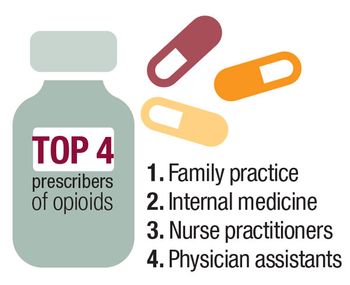
The involvement of a psychiatrist early in the care of patients addicted to opioids may prevent further abuse. Here's why.
Reasons for the overall low rate of clozapine use brings to light questionable decisions on the part of policymakers

Setting the record straight on the burgeoning field of reproductive psychiatry.

A 19-year-old new patient comes to you wanting to discontinue all his childhood psychiatric medications. What is the best next step?

Setting the record straight on what the literature does and does not say about long-term use of antipsychotics.

A study of treatment tolerance and therapeutic response in children and adolescents with OCD.
Recent data show that widespread discrepancy exists between clinical guidelines and practice patterns for ADHD, dementia, and bipolar disorders.

Are you up-to-date on the risk of recurrent pneumonia in patients with schizophrenia when an antipsychotic is reintroduced?
Three new studies show the effects of depression-and its treatment-on the brain.

New evidence-coupled with advances in molecular biology-has afforded an unparalleled opportunity to move toward identifying potential new treatments for schizophrenia.

This method of administration can mitigate the psychotomimetic and dissociative effects of ketamine.

How do the 3 FDA-approved dopamine receptor partial agonists for the treatment of MDD and other psychiatric disorders stack up against each other?

A new finding that may help optimize the treatment of major depressive disorder.

Before flibanserin, there were no FDA-approved treatments for hypoactive sexual desire disorder. The authors clarify the intricacies of an HSDD diagnosis and discuss implications for treatment.

For all its popular appeal, the science that has emerged on cannabis use does not look good--especially for the teenage brain.

Psychiatrists can provide significant support and insight to patients who are now coming to campus with a wide array of mental health challenges.

This article summarizes clinically relevant advances in the psychiatric care of women during and after pregnancy, including recent changes in how the FDA classifies pregnancy risk for medications, and best practices in perinatal psychopharmacology.

Information about the performance of clozapine compared with other treatment strategies in usual practice may impact on its use in routine clinical settings. Here: findings from US national Medicaid data in a cohort of patients with treatment-resistant schizophrenia.

Researchers conducted a clinical trial comparing light therapy with antidepressant monotherapy. Here's what they found.

What is behind the glaring lack of controls over prescription drug costs, even for everyday medications?

Intended for short-term use, this treatment is associated with specific diagnostic and symptom characteristics, with anhedonia being a stand-out.

If serotonin was once American psychiatry’s “high school crush,” the field now appears wedded to a more mature model of biological and psychosocial understanding.

This article reviews a wide array of medicolegal, risk management, regulatory, and forensic mental health issues in the older population, which is growing at an accelerated rate.