










Dose escalation is often applied in the management of psychosis when patients do not initially respond to therapy, but a recent study brings this strategy under question.
Dose escalation is often applied in the management of psychosis when patients do not initially respond to therapy, but a recent study brings this strategy under question.

Experts summarize data on the role of inflammation in psychiatric disorders, emphasizing that evidence for anti-inflammatory treatment for mood disorders is limited, and mixed.

A recent study from the Bipolar-Schizophrenia Network on Intermediate Phenotypes (B-SNIP) investigated the genetics of the auditory event-related potential, a putative psychosis biomarker.
The authors explore ways to address aggression in clinical practice and examine the potentially dangerous impulsivity-violence link across a broad range of conditions.
The challenges of recognizing behaviors such as hypersexuality, gambling, and excessive buying in Parkinson disease are discussed, as are ways to address them while still managing the underlying condition.

Internet-based CBT has shown promise to improve access to therapy for patients with OCD, which is associated with a profoundly diminished quality of life and social isolation.

Dr David Osser offers compelling reasons why you might want to take a look at these 7 algorithms, each of which offers actionable consultations-usually in under 2 minutes.

An overview of the largest study to examine persistent pulmonary hypertension in newborns (PPHN) exposed to antidepressants late in pregnancy.
The need to stay up-to-date with the most current evidence-based information is becoming harder than ever. For this reason, the authors identify and evaluate published research that may have a direct bearing on clinical practice.

Psychiatrists who treat women and adolescent girls may find it necessary to discuss with their patients reproductive planning and the role of contraception in setting comprehensive treatment goals. Here's why.

How do foods containing tyramine (eg, aged cheeses, fermented foods, cured meats) interact with some psychiatric medications?

Is prevention of bipolar disorder possible? What happens before a manic or hypomanic episode that identifies this illness? Researchers asked whether there are any signs or symptoms that predict later diagnosable bipolar disorder with reasonable accuracy.

Many of us are seeing patients who have been prescribed potentially addicting medication by another physician, and our level of vigilance needs to be high.

Although a number of observational studies point to an association between conventional antipsychotic agents and increased risk in older patients, new research suggests such findings may have been flawed.

The prevalence of chronic hepatitis C virus infection is among the highest in patients with severe underlying mental illness. Here: clinical information on the interface of HCV infection and psychiatric disorders.
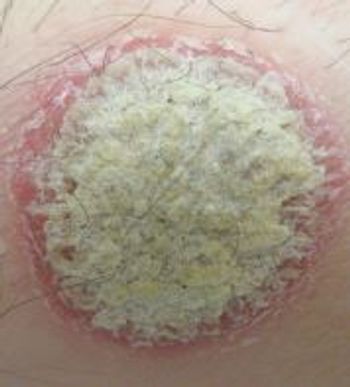
Psoriasis, a chronic inflammatory, autoimmune skin disorder, is associated with both genetic and environmental factors. It has important treatment implications for patients who have psychiatric disorders.

A review of the pharmacological and symptomatic effects of various classes of designer drugs, including stimulants, hallucinogens, and sedatives.

There are probably few health care professionals who are unaware of the concerns about the apparent overprescription of opioids. However, we have had only limited information on how good a job physicians may actually be doing in prescribing these medications.

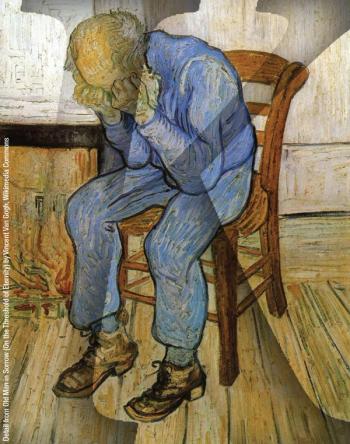
The authors review mechanisms of suicide and the effectiveness of current treatments, and zero in on ketamine--a potential novel, rapidly acting treatment for suicidality.
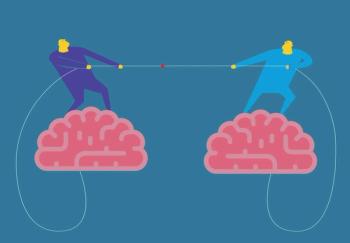
What psychiatry needs is a new approach to “psychiatric theory.” Here are a few practical suggestions.

A 28-year-old married mother of 2 with a history of depression is brought to the emergency department after 6 months of near-daily methamphetamine use.
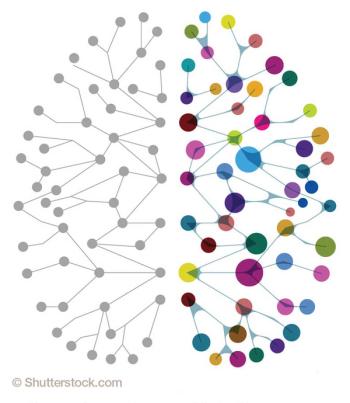
The authors take an in-depth look at the evaluation, diagnosis, and fundamental treatment recommendations, protocols, and guides to therapy for psychogenic nonepileptic seizures.

The potential of TMS as a treatment for cognitive disorders, fatigue, pain, and other manifestations of brain disease is discussed, as is the encouraging prospect for neuropsychiatric management of many patients.

We present the case of a patient for whom different attending providers had markedly different interpretations. As the case unfolds, we invite you to reflect on your diagnostic understanding of each presentation.