








What’s the optimal approach for patients with treatment-resistant schizophrenia?
What’s the optimal approach for patients with treatment-resistant schizophrenia?

The psychiatric literature is overwhelming. So these authors have culled 25 "top" articles based on their relevance to clinical practice. Here's a quick synopsis of 8 top articles.

To understand and to feel understood is a powerful antidote to relieve human psychological suffering. Therein lies the heart of the self-medication hypothesis of addiction.

A brief overview of the many trials that have asked this weighty question.
To augment or not to augment? That is the question.
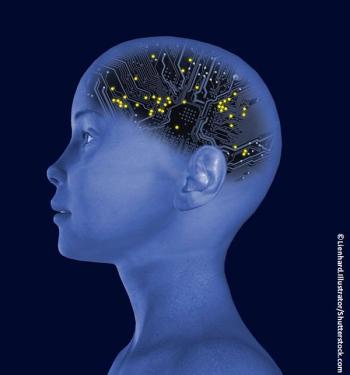
Personal enhancements (eg, cosmetic surgery) have gained societal acceptance, but cognitive enhancement poses significant ethical, philosophical, and sociopolitical issues.
The overprescription of opioid analgesics has resulted in the growing use of heroin. Right?
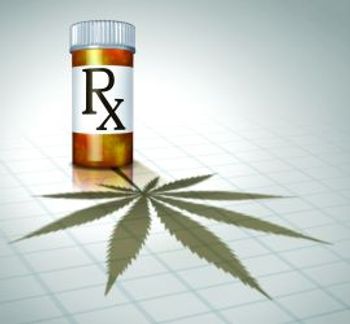
“Doctor, will you prescribe medical marijuana for my mother? I think it might help her agitation better than the medication you gave her last visit.”

It's not about the specifics of preliminary studies about psilocybin. It's about the validation of research using psychedelic drugs in modern psychiatry.
Are antipsychotics associated with an increased risk of breast cancer?

A recent meta-analysis shows this agent is useful in the prevention and treatment of antipsychotic-induced weight gain.
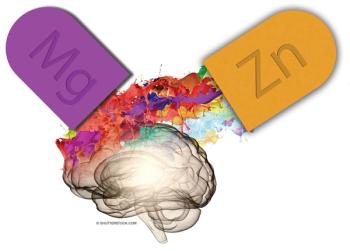
Targeted mineral supplementation has the potential to augment treatment response and yield improvement in clinical symptoms.
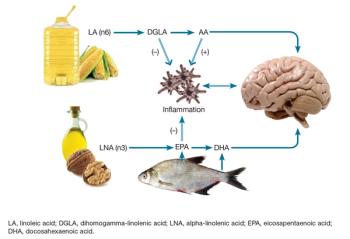
Potential benefits and benign safety profile of omega-3s indicate a promising intervention.
Can't keep up with the literature? Here's some help.
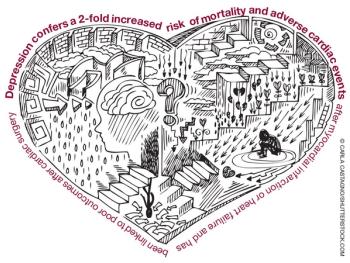
Here: a look at the associations between negative psychological states and CV health, physiologic and health behavior mechanisms, and ways to diagnose and treat depression and anxiety disorders.
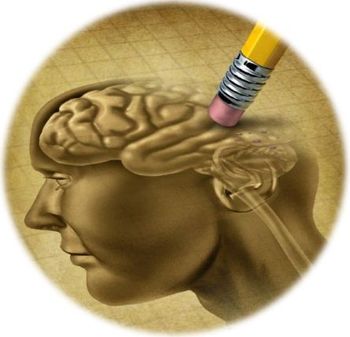
Here's a case that illustrates the potential for alprazolam to create a dementia-like appearance-not to mention a premature aging of the patient.
Here’s a very unscientific survey of this year’s most meaningful issues is psychiatry. Quite a year.

A recent meta-analysis shows this adjunctive agent reduces residual symptoms of psychopathology as well as body weight.
A review of the distinction between depressive and psychotic symptom domains, current knowledge about the etiology and neurobiology of depression and psychosis, and how this knowledge can inform the treatment of patients with features of both.
Meet "Gary," whose case provides an introduction to the value of systems-based practice.
Recent studies examine placebo responses to antidepressants, the effect of SSRIs on sleep in the elderly, and the best time of day for psychotherapy sessions.

I started promoting pharmacogenetic tests in the 1990s-before they were fashionable-and now, after going through the 3 phases of pharmacogenetic testing (fear, failure, and hype), I am embarrassed.

What does mandated electronic prescribing have to do with that old show, Twilight Zone?
Why is there so little clamor for a drug that prevents neurodegeneration, carries very low risk, and is unlikely to produce significant side effects?
Three new studies help predict which patients with depression may not respond to pharmacotherapy and which women may become depressed during menopause.