










New research shows the benefits of low-dose lithium-even in the water supply.
New research shows the benefits of low-dose lithium-even in the water supply.
A searching interrogation of scientific findings reflected against experience with patients.
Potential risk factors related to comorbid ADHD and depression, strategies for proper diagnosis, and treatment approaches.

This hormone-based therapy shows promise for older women with refractory symptoms.

The authors examine the literature on "quality of life" and how antipsychotics improve that for patients with schizophrenia.
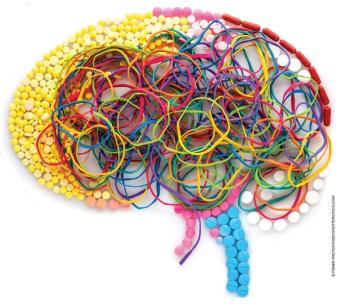
Here: a look at several natural products used to improve cognitive impairment or cognitive symptoms of dementia.

Recent studies illustrate the importance of homing in on the somatic symptoms of depression

An expert discusses ADHD in patients over 50.

Benefits of drug therapy include fewer STDs, injuries, and substance use disorders

Insights from the first study of mortality and cumulative psychotropic exposure in schizophrenia.
What is the risk of symptom recurrence after antipsychotic discontinuation in first-episode psychosis?
Can a wearable device improve mental health outcomes?

The very traits that define a good physician make it difficult for most doctors to prioritize basic self-care. Many fail to notice early signs of dysfunction.

A new CDC guideline on prescribing opioids for chronic pain has only added to the media attention being focused on opioid abuse and addiction. But what does the guideline really offer?

Here are a few things that make me glad I'm a psychiatrist.

The many potential stressors for astronauts during space missions present unique and fascinating 21st century psychiatric and psychological issues.

New research demonstrates why it’s crucial to examine manic and other symptoms in their entirety when making a treatment plan.

How strong is the foundation of current pharmacotherapy recommendations for ADHD?

SSRIs are effective for the treatment of eating disorders, but what treatment is best for which disorder? More in this quiz.

For patients suffering the chronic, debilitating symptoms of schizophrenia, antipsychotic medication is a critical component of treatment-and may literally be life-saving.

There are no FDA-approved pharmacotherapies for cocaine use disorder. Here: a review of the off-label use of promising medications for this addiction.

A growing body of research has given us strategies at population, community, and clinical levels that can be put into practice. Details here.

A 20-year-old college sophomore with “depression and anxiety,” who is exercising ferociously and who is literally dying to lose more weight sets the stage.

The CDC and FDA have -- at last -- recognized that there might be something of a problem in the way opiates are prescribed!