



Sexual & Sexuality
Latest News
Advertisement
Latest Videos






Shorts
1:04
Depression vs Sexual Dysfunction in Women
23 days ago
by
Joseph F. Goldberg, MD(+1 more)
1:11
Bupropion and Improvements in Sexual Functioning
25 days ago
by
Joseph F. Goldberg, MD(+1 more)
1:19
Discussing Sexual Health With Patients
a month ago
by
Joseph F. Goldberg, MD(+1 more)
1:09
Flibanserin. Sleep, and Sexual Function
a month ago
by
Joseph F. Goldberg, MD(+1 more)
1:01
Links Between Depression and Sexual Dysfunction
a month ago
by
Joseph F. Goldberg, MD(+1 more)
1:07
Opening the Sexual Health Conversation With Patients
a month ago
by
Joseph F. Goldberg, MD(+1 more)
0:49
Checking In With Older Adult Patients About Sexual Wellness
5 months ago
by
Lea K. Marin, MD, MPH
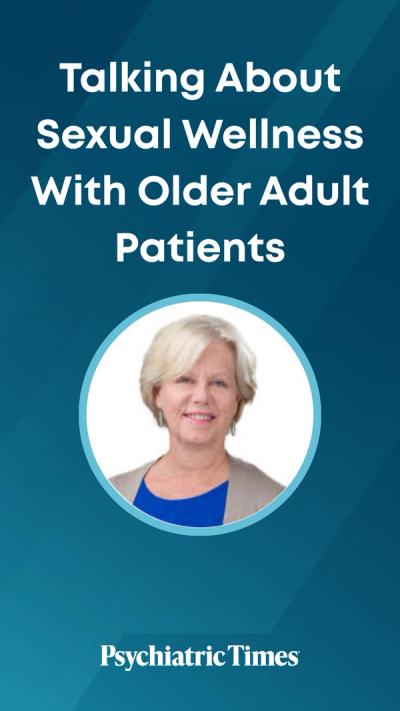
1:11
Talking About Sexual Wellness With Older Adult Patients
5 months ago
by
Anita H. Clayton, MD
Podcasts


CME Content






Advertisement
More News

Here’s how to stay professional in difficult situations.

Here’s how to distinguish false allegations of sexual abuse.

Catch up on all the latest from the American Pharmacists Association (APhA) Annual Meeting & Exposition.

According to this study examining sexual minority patients, depression can be a consequence of health and behavioral disparities.

The uneasy relationship between psychiatry and the LGBTQI continues to evolve. How can it be influenced for the better?

What terms are used to describe SGM and LGBTQ+ identities?

Due to discrimination's negative impact, transgender and gender-nonconforming youth are several times more likely than the rate of their cisgender peers to have depression and anxiety.

Online environments have revolutionized the lives of young SGM individuals, but also created unforeseen issues...

What academic terminology should be used when describing sexual and gender minority patients?

Homosexuality was classified as a mental illness until 1973. We have come a long way, but there is a lot further to go...

The sexual side effects of psychiatric medications are troubling enough that some patients consider treatment cessation. The authors review 5 strategies for managing sexual dysfunction.

What does the scientific evidence tell us about treatment for pedophilia? The answer might surprise you.
In case you missed it, this series features reports about sexting, paraphilias, adolescent sexual health, and more.

From diagnosis to treatment, paraphilias and paraphilic disorders present unique challenges for the general psychiatrist.

Adolescents explore their sexuality. In most cases, this exploration is normative. At times, however, compulsive sexual behavior is developed and maintained.

Transgender adolescents and their families experience barriers to care and specialized providers might not always be available. However, the work with transgender adolescents can be rewarding.

Even as antidepressants improve mood, they can worsen sleep-and poor sleep is both a symptom and a cause of depression.

To understand the experiences and needs of the aging LGBTQ population, it is important to consider the culture, politics, and social norms that existed when these elders came of age. Clinicians can play a vital role by creating a safe and open environment that allows people to be themselves.
A quiz on significant changes in DSM-5 nomenclature as they relate to sexual disorders.

Psychiatrists can serve a pivotal role in reducing sexual offender recidivism by treating individuals with paraphilic disorders. Details here.
The inability or difficulty to experience vaginal penetration is most similar to which DSM-5 disorder? Find out in this quiz.
Four clinical reports indicate that in the last 30 years, we have come a long way in the exploration and study of sex and sexual disorders.

Here: basic concepts behind sexual consent capacity and guidance on how to pursue capacity assessments.

The road to recovery for human trafficking victims is intense and requires intervention and care on multiple comprehensive levels.

There has been much progress in both the conceptualization and the treatment of vaginismus in the past 15 years. Details here.
Advertisement
Advertisement
Trending on Psychiatric Times
1
Olanzapine LAI (Weltruza) Receives FDA Approval for Schizophrenia
2
Moving Away From Treatment-Resistant Depression and Toward Difficult-to-Treat Depression
3
Blood-Based Biomarkers for Alzheimer Disease: Accuracy, Limits, and Confounders
4
First Patient Dosed in Phase 2a Trial of GlyphAgo for Generalized Anxiety Disorder and Sleep Disturbance
5