











Psychiatrists can serve a pivotal role in reducing sexual offender recidivism by treating individuals with paraphilic disorders. Details here.
Psychiatrists can serve a pivotal role in reducing sexual offender recidivism by treating individuals with paraphilic disorders. Details here.

The inability or difficulty to experience vaginal penetration is most similar to which DSM-5 disorder? Find out in this quiz.

Four clinical reports indicate that in the last 30 years, we have come a long way in the exploration and study of sex and sexual disorders.

Here: basic concepts behind sexual consent capacity and guidance on how to pursue capacity assessments.

The road to recovery for human trafficking victims is intense and requires intervention and care on multiple comprehensive levels.

There has been much progress in both the conceptualization and the treatment of vaginismus in the past 15 years. Details here.

“Once a pedophile always a pedophile” is so 30 years ago. The author updates the realities about sex offenders and why psychiatrists should be more optimistic about their patients’ prognoses.
The ability to diagnose pedophilia is key to preventing child sexual abuse: it makes possible accurate risk assessment and informed decisions regarding who is safe to work with children-and who is not.

Improvement in depressive symptoms appears to have a salutary effect on sexual function.

Before flibanserin, there were no FDA-approved treatments for hypoactive sexual desire disorder. The authors clarify the intricacies of an HSDD diagnosis and discuss implications for treatment.

Flibanserin is a breakthrough. We will finally be able to talk to women with hypoactive sexual desire disorder about a treatment that has FDA approval.
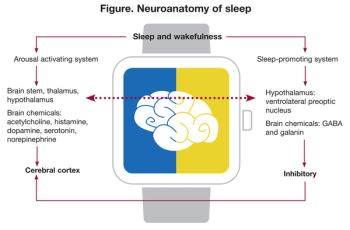
Sleep-related problems are among the most disabling consequences of TBI, with multiple influences: impairment of neuronal plasticity, metabolomic alterations, loss of vascular homeostasis, and disruption of the blood-brain barrier. The authors take a close look.

Recognition, management, and understanding of the broad range of sexual feelings in older adults is a key component to providing humane and competent care. More in this expert Q&A.
What's new in sleep medicine? The latest developments in both new and novel approaches to treating sleep disorders.
Depression is a frequent psychiatric comorbidity among patients with restless leg syndrome. The case presented here illustrates the importance of evaluating for RLS symptoms in patients with major depressive disorder who complain of insomnia.

Sexual compulsivity and sexual addiction predominantly afflict men. Clinicians need to have a higher index of suspicion for sexual impulsivity in some patients.

Cases that come to our attention as malpractice claims, ethics claims, or Board of Registration complaints raise the question: why did the treating clinician not terminate the treatment before things got so out of hand?

Sleep changes associated with psychotropic drugs are common enough to justify routinely obtaining a baseline sleep diary before beginning treatment, even when the initial screening for sleep disorders indicates that no further investigation is needed.

Charles Dickens might well say of American psychiatry, “These are the best of times and the worst of times.”

In this guest blog, Dr Deirdre D'Orazio responds to a recent commentary by Dr Allen Frances on conducting evaluations of potential sexually violent predators.

Here, Mr Hazelwood answers questions about serial murderers that are commonly posed to him. The term serial murderer (or serial killer) was not even a part of the forensic lexicon until the 1970s . . .

Accurate diagnosis is absolutely crucial in SVP hearings because the potential outcome is so consequential-involuntary incarceration in a psychiatric hospital that may well last a lifetime. In no other clinical or forensic situation does so much ride on the presence or absence of a psychiatric diagnosis.

Terrence Malick’s The Tree of Life is not easy entertainment, but for psychiatrists who might welcome an encounter with a brilliant, uncompromising mind, The Tree of Life is enthralling.

During the past year, I have been involved as an expert witness for the defense in 14 SVP cases (tried in California, Washington, and Iowa). My role has been to clarify what is meant by the wording of the Paraphilia section in DSM-IV. And it certainly does badly need explaining.

Rape is always a heinous, ugly, violent, and cruel crime. But the violence and cruelty that are part of all rapes should not be confused with the specifically motivated violence and cruelty that distinguish sexual sadism...