
Recent studies find powerful biological changes associated with mind-body interventions comparable to those associated with conventional antidepressants or psychotherapies.
Recent studies find powerful biological changes associated with mind-body interventions comparable to those associated with conventional antidepressants or psychotherapies.

Although the pharmacological treatment of impulsivity represents an exciting and possibly more effective means of relieving the burden of mental health illness, precisely what is meant by impulsivity and its neurobiological substrates?

Whether marijuana use should be legalized is a subject worthy for debate. It is unfair, however, for patients who have real health problems to be misled into believing that there is a magical cure.

A story of what can happen (and has happened) when the expertise of a psychiatrist is not followed in complex cases that involve substance use and other disorders.
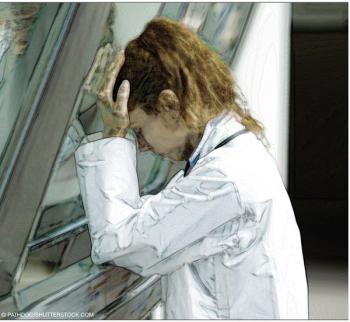
Over the past 10 years, a growing literature has documented the significantly increased rates of stress, burnout, depression, and suicidal ideation in medical students.

What’s the prudent way to react if a layperson is suddenly tapped to help get psychiatric care for somebody who says he desperately and immediately needs it-or else?
To some external observers, it may seem like psychiatrists just go through the complicated mechanics of making a diagnosis, developing a treatment plan, and prescribing needed interventions. But there is so much more to it.
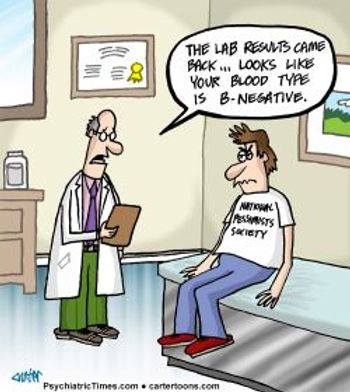
The lab results came back and here's what the doctor found.
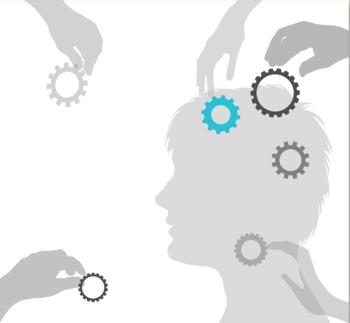
Can schizophrenia be distinguished from bipolar disorder via gray matter volume?

The trouble with looking like a God becomes clear after we learn to wear our mask of omnipotence, pretending to know the answers to questions...

The good news? Compared with our non-psychiatric colleagues, we psychiatrists are in very good shape when it comes to switching over to ICD-10-CM.
The clock drawing test is useful for diagnosing dementia, but can it differentiate Alzheimer disease (AD) from other forms of dementia?

Hypothyroxinemia is not uncommon during pregnancy and may impact neurocognitive outcomes in children-but to what degree?
With an aging population and subsequent predicted increase in incidence of Alzheimer disease, identifying early markers and interventions is on the fast track. Will sleep be the key?

Dr David Osser offers compelling reasons why you might want to take a look at these 7 algorithms, each of which offers actionable consultations-usually in under 2 minutes.

An interesting history, key myths, and the pros and cons of marijuana are explained in this book.

May we forgive a murderer on behalf of his victims?

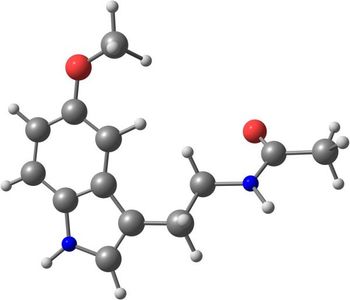
Circadian components are profound in depressive disorders, such seasonal affective disorder. This article introduces a course to be given at this year’s APA Meeting in Toronto, on melatonin and light treatment.
The SRT polymorphism is one of the most well studied genetic variations affecting mood disorders. Once personal genetic information is readily available, can we help patients understand the implications of their results?

The cultural aspects of treating patients are similar for all age-groups, but certain themes have greater relevance with the elderly.

The authors discuss the assessment and treatment of pediatric ADHD within the framework of the cultural psychotherapeutic model.

Because there is a higher prevalence of mental health disorders in LGBTs than in heterosexuals, psychiatrists should be broadly familiar with the process of sexual/gender exploration, psychological self-recognition, disclosure to others, and community identification.

These books almost write themselves.

The author suggests a checklist to help clinicians think through the necessary steps that should be part of every careful prescription of medication for children.

This review covers recent advances in ECT technique, post-ECT management, and theories of mechanism of action. It will focus on the use of ECT in depression, the most common indication for ECT in clinical practice.

In the US, depression ranks fifth in the number of disability-adjusted life years lost due to illness and employment problems often persist, even if help is sought. Helping those who want and/or need to work is part of providing comprehensive, patient-centered care.

An overview of the largest study to examine persistent pulmonary hypertension in newborns (PPHN) exposed to antidepressants late in pregnancy.

Radicalization by Norwegian converts to the Prophet’s Ummah produced massive and terrible social consequences. The explanations offered may be pertinent to the current attraction that ISIS offers for too many young persons in many countries of the civilized world.

Trying to change behavior-in programs as well as people-often evokes tenacious resistance. Writing for the better can become a vehicle for that change.

Organized psychiatry and psychology share a common acronym-APA. Some of our clinical work overlaps, but sometimes they differ in response to world events.