
Many physicians are frustrated with government involvement, insurance companies, and reimbursement (or lack of reimbursement) systems. Does this prohibit you from helping your patients?
Many physicians are frustrated with government involvement, insurance companies, and reimbursement (or lack of reimbursement) systems. Does this prohibit you from helping your patients?



Excellence in psychopharmacology demands sensitivity to the associated ethical considerations. The key considerations of psychiatry are both complex and dynamic, and psychiatrists who develop and refine their ethics skill set will be in a better position to anticipate and respond to ethical dilemmas as they arise in their practice.

Like every drug or technology that has therapeutic value, MDMA (3,4-methylenedioxymethamphetamine) has potential risks and benefits. Unlike most other drugs under clinical investigation, MDMA has a complex and controversial history that has delayed dispassionate scientific investigation into its therapeutic use.

In addition to receiving birthday cards, on this birthday, one of our bloggers, Dr. Moffic, decided to send out a card to all those he loved. It is being reprinted here. "If you are what you love, There is no longer reason to be most modest, so step aside Muhammad Ali, for I Am The Greatest!"

What should clinicians do if they realize that they don’t like a particular patient who has come to them for help
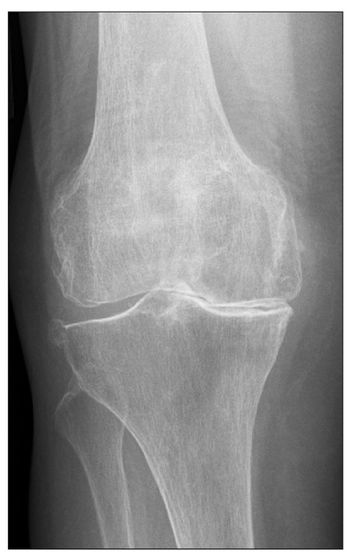
An 81-year-old man presented to an urgent care facility with a 1-year history of pain in his right knee.

The only question is whether Congress will cut the mental health block grant again, in 2012-and by how much.

In this column, we explore how the judicious use of neural stem cells (NSCs) has led to a research Holy Grail: the creation of research-ready, patient-specific neurons.

See if you can tell if the following quote comes from religious wisdom or a CBT therapist: “To defeat depression, you must introduce a fresh perspective to your thinking. You must begin to replace troubling, destructive thoughts with positive, constructive ones.” To this, we say, “Amen.”

Richard Berlin, M.D.: “There is something about the condensed pressure of poetry that feels very natural to me.”
Is your practice’s computer infected? Perhaps, but that stack of papers on your desk might have a richer history of contamination.

The demand for security/privacy insurance is growing rapidly as health care practitioners realize that traditional insurance does not address privacy exposures.

Risk analysis is an ongoing process that should provide an organization with a detailed understanding of its risks and information necessary to address those risks in a timely manner, and the means to reduce associated risks to reasonable and appropriate levels.

Can the death of a terrorist be something to celebrate? Should it be? What can this tell us about ourselves? What is the "proper" reaction?

Psychosis at any phase of the illness can be extremely distressing, disruptive, and potentially dangerous for patient and family.

If ketamine is able to turn off a patient’s depression, even for one day, you have accomplished something important, whether or not you can maintain it. This is because you have at least given the patient hope . . . that in itself is very significant from a therapeutic perspective.

Rape is always a heinous, ugly, violent, and cruel crime. But the violence and cruelty that are part of all rapes should not be confused with the specifically motivated violence and cruelty that distinguish sexual sadism...
APA Annual Meeting Page2011 Annual Meeting ScheduleScientific Program - Schedule of Meeting Sessions Meeting Registration Housing ReservationsAPA Staff Contact ListCourse Brochure [pdf]
National Institute of Mental HealthThe mission of NIMH is to transform the understanding and treatment of mental illnesses through basic and clinical research, paving the way for prevention, recovery, and cure.
The Clinical Manual of Couples and Family Therapy is a succinct, well-written volume that provides evidence for the wisdom behind treatment of the family and/or involvement of the family when treating the patient.
I would recommend it for medical students who have been thrust into the role of primary decision maker for their patients, and clinicians who would appreciate a pocket supervisor to help them make treatment decisions.

The specific cause of Capgras syndrome has been hypothesized from neuropsychological and psychodynamic views.
Xavier Amador, PhD, is a clinical psychologist and an internationally sought-after speaker. Dr. Amador has over 25 years of experience working with adults, families, and couples. In addition to continuing to his private practice in New York City, Dr. Amador is the Founder and Director of the LEAP Institute. LEAP is for therapists, family members, law enforcement officers, and anyone seeking to break through an impasse with someone who is convinced they are right and you are wrong. He and the faculty at LEAP conduct regional seminars for couples and other groups.

Anyone working in the mental health field will recognize that in patients with extreme irritability, explosive behavior, or quick mood changes, bipolar disorder (BD) is often unquestionably diagnosed.
The Naked Lady Who Stood on Her Head will appeal to lay readers who like to solve puzzles, as well as to seasoned clinicians who will be challenged by its wide array of intricate cases.

Does cognitive rehabilitation provides optimal improvements in functional outcome for patients with schizophrenia? What percentage of patients with schizophrenia who have comorbid obsessive compulsive disorder? This and more in this week's quiz.