
Clinical AI in psychiatry falters when designers miss ward realities; better ethnographic UX research reduces alert fatigue, cognitive load, and boosts meaningful adoption.
Clinical AI in psychiatry falters when designers miss ward realities; better ethnographic UX research reduces alert fatigue, cognitive load, and boosts meaningful adoption.
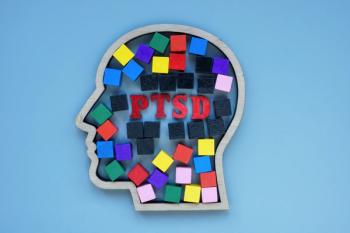
New analysis shows COMP360 psilocybin sessions for PTSD stay mostly silent, with nondirective support boosting safety and autonomy.

Phase 2 ZEPHYR finds oral betovumeline combo reduces PANSS and improves cognition in acute schizophrenia, with generally mild side effects.

After TBI, soluble TNF sparks Alzheimer-like damage; XPro1595 blocks it in mice, preserving memory and reducing pain—hinting prevention.
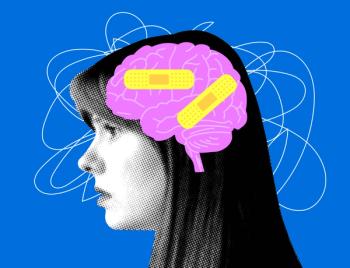
Concussion recovery in teen athletes often masks anxiety or depression; learn warning signs, screening tips, and safer return-to-play steps.
FDA clears Simtriyo, a first-in-class NDSRI and central nervous system stimulant for ADHD, offering new symptom and executive-function gains.

New BEST teletraining helps people after TBI name emotions, reduce anxiety and anger, and boost resilience—early trials show promise.

Don't miss out on these CME articles! Test your knowledge here.
Review centanafadine ahead of the upcoming FDA decision on July 24.

ASCP updates spotlight ketamine safety guardrails, at‑home agitation therapy, psilocybin phase 3 momentum, and biomarker-driven precision psychiatry.

Top 2026 psychiatry conference takeaways: mixed-feature bipolar care, GLP-1 addiction trials, schizophrenia adherence, TD gaps, AI prodrome screening.

SIRS highlights new schizophrenia advances: LB-102 shows promise, Cobenfy switching stays stable, and tazbentetol targets synaptic regeneration.

Why shared decision-making stalls in mental health—and how a quick “wind check” adapts recovery care to culture without losing autonomy.

Should EDs use AI to spot suicide risk? Explore evidence, bias concerns, false positives, and what accreditation mandates could mean for care.

Meta-analysis ranks add-on atypical antipsychotics for MDD, comparing symptom response and dropout risks to guide smarter next-step treatment.
New data show APOE4 worsens early sleep disruption in Alzheimer models; CN-105 and zolpidem restore deep sleep and may slow amyloid buildup.

FDA grants Fast Track to Acadia’s remlifanserin for Alzheimer disease psychosis, targeting hallucinations and delusions as RADIANT trial advances toward 2026 data.
Why DSM reforms miss psychiatry’s key flaw: weak diagnostic validity—and how evidence-based validators could reshape diagnosis, research, and care.

Learn how clinicians manage bipolar disorder in women who may become pregnant—safer meds, contraception counseling, and relapse prevention.

Meta-analysis links traumatic brain injury to rising long-term psychosis risk; severity, age, and follow-up time guide smarter screening and care.
Oral THC/CBD combo rapidly eases severe dementia agitation in phase 2 trial, with sustained 12-week benefit and similar safety to placebo.

New review links lithium and Alzheimer disease treatment, fueling calls for biomarker-guided, low-dose clinical trials testing lithium’s multi-target disease-modifying potential.

COMP360 psilocybin shows rapid, durable gains in treatment‑resistant depression, as psychedelics continue to grow.

How shifting cannabis laws shape potency, access, and risk—revealing why anxiety, paranoia, and psychosis can surge when users cross regulatory borders.

Learn how fast-acting oral zuranolone treats postpartum depression in days, with practical prescribing and breastfeeding guidance clinicians can use.
FDA accepts AXS-12 NDA for cataplexy in narcolepsy after phase 3 shows fewer attacks, better wakefulness, and cognition; decision due May 2027.

Explore how dopamine D2 blockade shapes antipsychotic benefits and risks, revealing dosing pitfalls, polypharmacy harms, and why plasma level monitoring improves outcomes.

New treatments, responsible deprescribing, and encouraging 988 gains reshape US mental health on our 250th anniversary.
AI chatbots flood mental health care—convenient and validating, yet risky. Learn where they help, where they harm, and why therapists still matter.

Interactive Issue