DSM-6 forces psychiatry to choose: sharper science or softer labels. Explore why validity, biomarkers, and hierarchy matter for credibility.
DSM-6 forces psychiatry to choose: sharper science or softer labels. Explore why validity, biomarkers, and hierarchy matter for credibility.

The triple-blinded EPISODE trial with active placebo and 4 dosing regimens yielded mixed results, reflecting the challenge of discerning psilocybin effect and distinguishing between enlightenment and expectation.

New US patent backs Denovo’s ANK3 biomarker guiding DB104 for treatment‑resistant depression, highlighting promising efficacy in selected patients.

Lifestyle medicine pillars help reshape depression and anxiety treatment in psychiatry.

AI video screening spots early tardive dyskinesia signs, prompting clinical follow-up and treatment.
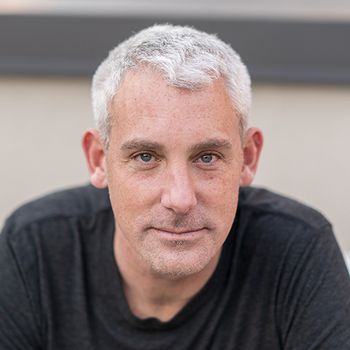
Read our exclusive interview with Daniel R. Karlin, MD, MA, on the latest executive order, DT120 for the treatment of mental health disorders, and more.

Spot ICU delirium early with MD‑MOSAIC—an exam for ventilated patients that sharpens diagnosis, prevents harm, and improves outcomes.

AI chatbots reshape therapy, pushing clinicians to unite around common change principles and connection.

Study links schizophrenia’s earlier onset to higher genomic deletion CNV burden, showing future potential for personalized care.
Round on the latest news in psychiatry from the last week.

Adial seeks FDA priority voucher to speed AD04 review, a biomarker-guided therapy aiming to curb heavy drinking in alcohol use disorder.

FDA expands Caplyta label to prevent schizophrenia relapse, cutting risk 63% and showing weight-neutral tolerability for sustained long-term stability.
FDA accelerates psychedelic drug development to advance agents for TRD, PTSD, and AUD.

In this CME article, learn how depression hides in organ failure, transplants, neurologic disease, and hormonal shifts—plus screening tips and safer treatment choices.

AXS-05 for Alzheimer disease agitation nears FDA decision date.

How do estrogen, testosterone, and aromatase shape binge eating and bulimia risk? Let's explore brain biomarkers and future hormone-aware treatments.

Psychiatry experts explain why off-label psych meds and polypharmacy can be essential.


AFSP and JED plan a 2026 merger to form the largest US suicide prevention nonprofit, uniting research, youth mental health programs, advocacy, and community support.

Learn how antipsychotics and stress raise prolactin, what symptoms to spot, and when to test—plus practical options to lower levels.

Psychedelic therapies surge, but a rushed FDA shortcut risks safety; learn why ibogaine claims need rigorous trials and oversight.

Two-dose oral R‑MDMA, EMP-01, cuts social anxiety symptoms and real‑world avoidance in phase 2a study, with strong responder rates and good tolerability.

Evidence links some hormonal contraceptives—especially in teens—to higher depression risk; see which types matter and how to monitor mood.

Chatbot makers face rising lawsuits over suicide, addiction, and psychosis.

Authoritarian governments are detrimental to mental health. Let's explore a historic case.

Vibrance-1 phase 2 results show alixorexton improves narcolepsy type 1 severity, cognition, and fatigue for 13 weeks with good tolerability.

Data suggest PBFT02 therapy boosts progranulin and slows neurodegeneration markers in early FTD.

ASAM’s new youth SUD criteria help clinicians deliver developmentally tailored, prevention-first care with coordinated family and community supports.

Learn more about how sex hormones and prolactin shape brain circuits, revealing new biomarkers and treatment strategies for eating disorders, psychosis, and depression.

Psychiatry probes why public apologies may manipulate or hinder forgiveness, and what humility and remorse reveal in conflicts from courts to clinics.