












The authors outline a series of strategies that can help promote adherence to the therapeutic regimen.
The authors outline a series of strategies that can help promote adherence to the therapeutic regimen.

The author presents a fictionalized case based on a real patient to encourage colleagues to pursue psychodynamic psychiatry.

Most of us listen in one way or another. But listening can be taken for granted, even in psychiatry.

In psychiatry, things happen slowly-but if you’re not in a hurry yourself, the patient opens a window and shows you the world.
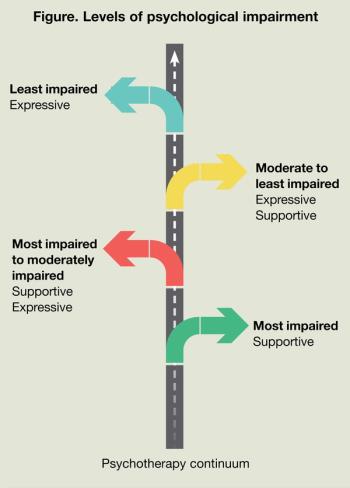
Supportive psychotherapy can serve as the first bridge out of social isolation and marginalization and addresses personality issues, such as deficits in character structure and defense mechanisms.

The human-animal relationship can provide insight into the patient’s ability to connect, to interact, and to show care and empathy. Plus, companion animals tend not to breach confidentiality.

The looming specter of emotional and physical exhaustion in residency often takes hold well into a physician's career. So what are we doing about it?

Functional remediation therapy addresses the cognitive problems of the nearly 50% of patients who remain impaired even when euthymic.

I loved being a psychiatrist. Note the past tense.
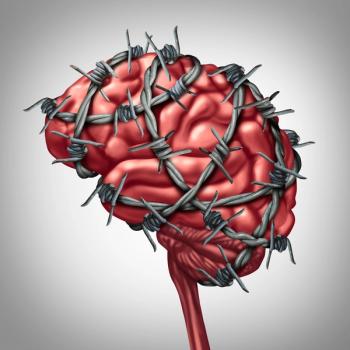
Migraine, tension-type, cluster...test your clinical acumen about headaches with these 16 questions.

From a psychodynamic and neurobiological perspective, the recommendation to screen all pregnant and postpartum women for depression and anxiety falls short of what is actually needed to improve the lives of many mothers and their infants and children.

A psychiatrist's chess game with his patient didn't go the way he expected.

A rare glimpse into the bipolar life, where behavioral markers often come in 3’s.

The therapist "goes underwater" with the patient to find what lies in her mind.

After a code gray, it was clear to me that no matter one’s training, only such fundamental moments can enable one to answer affirmatively when asked, "Are you experienced?"

A brief overview of the many trials that have asked this weighty question.
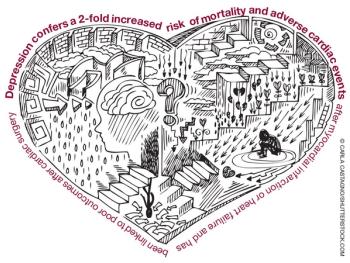
Here: a look at the associations between negative psychological states and CV health, physiologic and health behavior mechanisms, and ways to diagnose and treat depression and anxiety disorders.
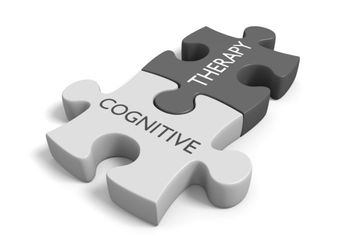
Psychiatrists who treat patients with psychosis in institutional, community, and crisis settings provide evaluations and medication management, but rarely consider psychotherapeutic interventions. However, such interventions can be critical in recovery.

Culture-the way people make meaning and live their lives in particular social worlds-matters in psychosis. The authors explore how a patient's cultural background should influence the way clinicians think about treatment and care.

It is not unusual for patients to seek consultation with questions about their sexuality. This article provides useful definitions and clinical examples for therapists who wish to address these patient concerns.

Recent studies examine placebo responses to antidepressants, the effect of SSRIs on sleep in the elderly, and the best time of day for psychotherapy sessions.

The authors focus on the psychiatric management of transplant recipients and the evaluation and care of living organ donors.

Psychiatrists are playing an ever-increasing role in the evaluation and care of organ transplant candidates and living organ donors-before and after transplant.

A summary of important CBT studies with the most current evidence-based information, chosen for their relevance and clinical utility.

Rising costs and changing treatment trends have sparked concerns about quality of care.