








Watchman Nee’s suggestion of a potential link between spirituality and mental health is no longer foreign to the field of psychiatry. Recent studies indicate that spiritual beliefs may have a positive effect on mental health.
Watchman Nee’s suggestion of a potential link between spirituality and mental health is no longer foreign to the field of psychiatry. Recent studies indicate that spiritual beliefs may have a positive effect on mental health.
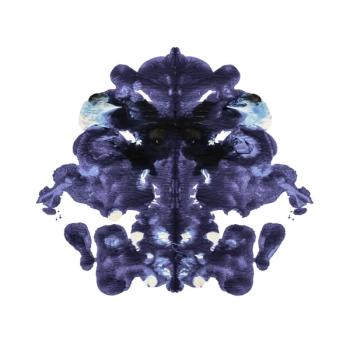
Keeping the season in mind, what is your first impression of this image?
The author applies psychodynamic psychology to understand and recognize so-called "homegrown" terrorists, individuals who are familiar with American culture and thus more difficult to detect.

We all become much better therapists if we have confidence in our healing gifts and focus on enhancing our relationships with patients.
The American Academy of Psychoanalysis and Dynamic Psychiatry meeting will include a series of symposia and workshops that focus on new approaches to psychotherapy.
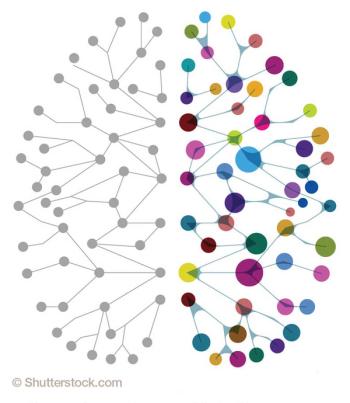
The authors take an in-depth look at the evaluation, diagnosis, and fundamental treatment recommendations, protocols, and guides to therapy for psychogenic nonepileptic seizures.
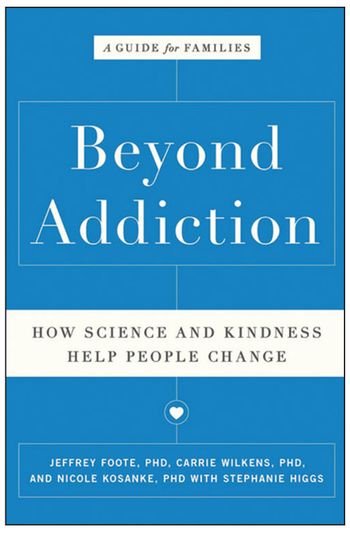
The authors of this book leave readers feeling empowered, knowing that they can be an important driver of change. It also reminds psychiatrists about some core components of the patient experience.

Contemporary experiences in the therapist’s life that mirror what is going on in the patient’s life may also trigger intense countertransference feelings. Read the case and weigh in on the image.

What therapy is considered the "gold standard” in treating childhood and adolescent depression? Find out in this quiz,

Treatments that work well for most don’t work well for all. And even effective treatments have side effects and complications. This is true of medication and surgery-and it is also true of psychotherapy.

The glass of well-being among physicians may be half empty, but there is room and hope to fill it again. Perhaps psychiatrists are the missing ingredient?

In this podcast, two psychiatrists discuss current clinical research and the future of treatment options for obsessive-compulsive disorder.

The authors examine anxiety in the medically ill: its presence secondary to or as an impersonator of physical illness and its diagnostic and management challenges.

Readers of Albert Rothenberg’s new book will come away greatly enriched by the author’s own lifelong, creative synthesis.
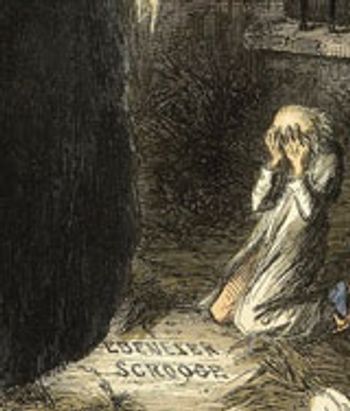
Many classics, such as those written by Dickens, can be viewed as a metaphor for psychotherapy. Beyond symptom improvement, psychotherapy addresses the meaning of one's life and how it relates to meaningful values of loved ones as well as the surrounding community.
This case of a 14-year-old female patient with end-stage cystic fibrosis illustrates the psychiatrist's critical role in ensuring quality end-of-life care.

The greatest tribute to those who perished in France may be to find better ways to put out the fires of terrorism. Mental health professionals are trained to use words to diffuse conflict. The pen is mightier than the sword, but it can also tempt the reckless to load their weapons.
Do persons with depression and a history of early life trauma benefit more from psychotherapy or pharmacotherapy? Take the quiz and learn more.

Featuring this year in Rorschach tests at Psychiatric Times.
Here: A 10-minute podcast on the spirit and principles that underlie motivational interviewing and the key skills and tools to encourage positive behavioral change.
For severely ill patients, understanding the neurobiological underpinning of assertive coping provides an additional map for rapid assessment, formulation, and intervention to bolster assertive coping.
Who hasn’t been at a public gathering and, after identifying yourself as a psychiatrist, heard someone respond nervously, “Can you read my mind?” Just as Thanksgiving can be compromised by family conflict, being a psychiatrist can at times feel like a curse in our public lives.
We need to join forces with our natural allies: the patients we treat and their families, as well as government, community, and business leaders, to make addressing the impact of violence and abuse one of our highest public health priorities.

After years of working with troubled individuals claiming to have been abducted by extraterrestrials, Harvard University Professor John Mack published a book. What made Mack and the book so controversial was the fact that he had come to accept that his patients’ stories were an accurate description of real events.
“Schizophrenia” is a name, not a disease. You are about to read the life story of a remarkable man who describes how he overcame poverty, orphanhood, and schizophrenia to become an author, an LCSW, a leader in the mental health advocacy movement, and an inspiration for many others.