






The experts weighed in on a wide variety of psychiatric issues for the October 2022 issue of Psychiatric Times.
The experts weighed in on a wide variety of psychiatric issues for the October 2022 issue of Psychiatric Times.

In this CME article, explore the mental health consequences associated with the COVID-19 pandemic as well as the potential role for complementary and alternative approaches.

"Among adults living in the United States, 38% to 40% use complementary and alternative medicine therapies, yet only 42% have told their primary physician that they do so."

The jury has awarded almost 1 billion dollars to the Sandy Hook families. What toll did the trial take on their mental health?
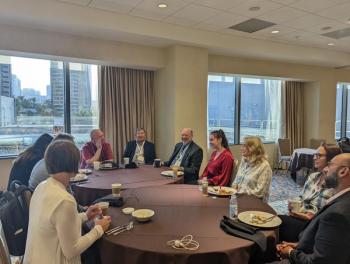
Did you miss the 2022 Annual Psychiatric Times™ World CME Conference? We've got you covered.
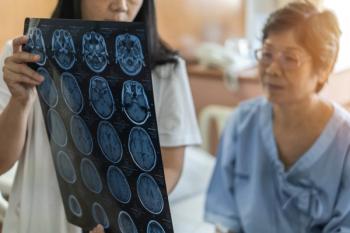
Understanding the symptom overlap between concussion/mild traumatic brain injury and other psychiatric conditions, such as PTSD and depression, can assist clinicians in differential diagnosis and providing effective treatment.
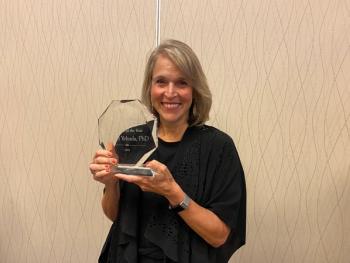
Can we inherit our parents’ trauma? Research points to yes.
Despite mixed data, there are some psychopharmacological options for treating PTSD.

What is the clinician’s role in reversing stigma for better outcomes?
Today is PTSD Awareness Day!

Catch up on the latest research on ADHD, PTSD, and more with Psychiatric Times.

Research explored how a traumatic explosion affected individuals around the world.
How can we more effectively help patients with PTSD? Charles B. Nemeroff discusses the diagnosis, epidemiology, and pathophysiology of PTSD, along with current and emerging treatments, at the 2022 APA Annual Meeting.
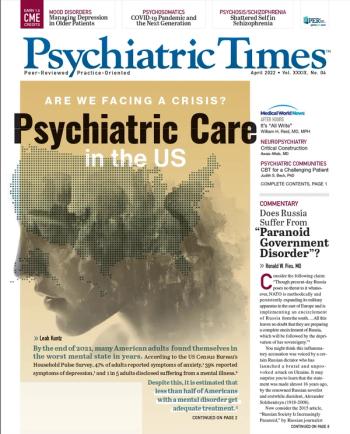
The experts weighed in on a wide variety of psychiatric issues for the April 2022 issue of Psychiatric Times.

PTSD is more prevalent in women than in men. What are the biological, psychosocial, and cultural factors that may explain why?

Two forms of telehealth can improve quality of life and care for patients with PTSD and bipolar disorder who live in more rural communities.

30% to 60% of individuals seeking treatment for SUD also meet criteria for PTSD.

Welcome to the psychedelic renaissance.

What do these have to do with CBT, creative visualization, and contemporary psychiatry?

Are common genes and signaling pathways involved in PTSD and migraine?
Trauma-related psychiatric disorders such as PTSD and grief often go undetected and untreated in older adults. Here's how to help.

Psychedelics: returning hope to veterans with PTSD.

The US withdrawal from Afghanistan stirs memories of trauma among veterans.

Here’s how to catch a PTSD chameleon using DSM-5 criteria.

A former resident's reflection on burnout, physician PTSD, and their consequences for patient care.