

Opinion|Videos|November 9, 2026
Shared Decision-Making in MDD Treatment Across the Lifespan
Patients weigh trade-offs differently than clinicians do, and they arrive having already consulted the internet. The panel examines what to honor in shared decision-making without sacrificing the evidence.
Advertisement
Episodes in this series
In "Shared Decision-Making in MDD Treatment Across the Lifespan," our experts turn to the trade-offs patients care about most.
Dr. Alva frames shared decision-making as more than a courtesy, since patients weigh trade-offs differently than clinicians do. He asks Dr. Shirikjian what she honors when a patient ranks weight gain or sexual side effects above everything else.
Dr. Shirikjian starts by asking patients for their wish list, meaning the effects they most want to avoid. She then names the newer complication, which is Doctor Google. Patients arrive with what they found, what they want, and instructions for her. Her approach is to step back to a risk-benefit ratio and set expectations. There is no perfect drug, she tells them, and even acetaminophen carries possible side effects. She reminds patients that they are sitting in front of a psychiatrist because everything else along the way brought them here, which is rarely a first stop. Some, she says, are secretly hoping the specialist will tell them they do not need medication. She bursts that bubble kindly, noting it should not come as a shock. With GLP-1 receptor agonists now widespread, weight has become a bigger part of the conversation, and she builds guardrails and backup plans around it.
Dr. Alva then asks Dr. Clayton how the discussion shifts across the lifespan. She anchors on episode count. A single episode that responds and stays well is one situation, but a second, and certainly a third, is defining. Once patients have had three, she tells them they may need to stay on medication. Metabolism changes with age and requires adjustment. She flags the periods unique to women, including premenstrual dysphoric disorder, pregnancy, postpartum, and midlife. Perimenopausal patients often arrive fearful of dementia, and reassurance alone is powerful. She notes most postpartum depression goes undiagnosed for three to five years, affecting the women and the children they are raising.
Our next episode, "Collaborative Care in MDD: Referral Triggers and Practical Takeaways," turns to referral triggers and the single change each expert wants clinicians to make.
Advertisement
Related to this article

Lisa Harding, MD, says ECT, ketamine, TMS, and VNS can work, but evidence on what comes after acute response remains thin.

Why D2 blockade alone falls short in schizophrenia, and what neurotransmitter, genetic and neuroimaging research means for treatment-resistant patients.

Discover expanded psychiatry coverage with new podcasts, interactive digital issues, and event reporting—we are your always-on media hub delivering fresh insights year-round.

GLP-1 drugs enter psychiatry, curbing antipsychotic weight gain while raising new questions about addiction, mood, eating disorders, and culture.

Miss Golden Corner 2026 discusses the South Carolina campus naloxone law she helped start and her push to reduce addiction stigma in rural communities.

Explore the urgent legal, ethical, and clinical challenges in emergency psychiatry, share cases and tips, and contribute to Psychiatric Times’ November series.
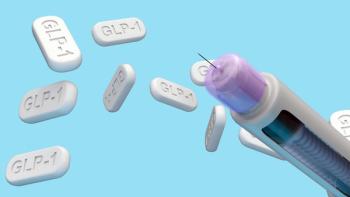
A Delphi panel recommends screening for eating disorders before GLP-1 receptor agonist initiation.

Alkermes launches a phase 2 trial of oral orexin-2 agonist ALKS 7290 to boost antidepressant response in major depressive disorder, assessing safety and symptom relief.
Advertisement
Advertisement
Trending on Psychiatric Times
1
The Ozempic Dilemma: Promises and Pitfalls in Psychiatry
2
Schizophrenia: A Telltale of the Brain’s Complexity
3
Talking With Titans: Sheldon Preskorn, MD, on the Evolution of Psychopharmacology
4
Podcast: Interventional Psychiatry and the Challenge of Difficult-to-Treat Depression
5