
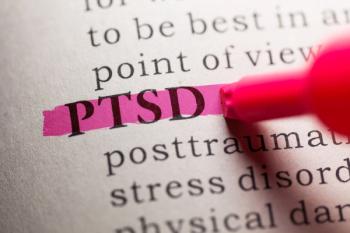
The therapy is the first self-neuromodulation device for PTSD approved by the US Food and Drug Administration.
The therapy is the first self-neuromodulation device for PTSD approved by the US Food and Drug Administration.

This trial aims to assess the safety, tolerability, pharmacokinetics, and pharmacodynamics of VLS-01 compared with intravenous DMT for treatment-resistant depression.

What are your top 3 ethics issues? Take our survey!
STAR*D trial is one of the most important foundational studies in psychiatry to guide the treatment of unipolar major depression. Get ready to explore a dialogue between the original STAR*D authors and a group of authors who call STAR*D into question.

Remembering the 1-year anniversary of Frank Miller, MD’s death.

“Can I use this at home?” Researchers performed a randomized clinical trial of home-use transcranial direct current stimulation in patients with depression.

Over the last century and even longer, we have taken a useful fossil fuel energy road that has also led to the problematic adverse effects of acute and long-term disasters. Is this reflected in current popular films like “Dune: Part Two”?

From personality disorders and common comorbidities to the effects of abortion bans on mental health, here are highlights from the week in Psychiatric Times.

March is Ethics Awareness Month. How does this time apply to psychiatry? What ethical quandaries do you face in your practice?

What is new in research on ADHD?

The scholarships will support up to 10 students and early career professionals.

“Dune: Part Two” releases today. What social psychiatric implications might it have for our current society?

Write to us now to be part of our series focused on mood disorders this month.
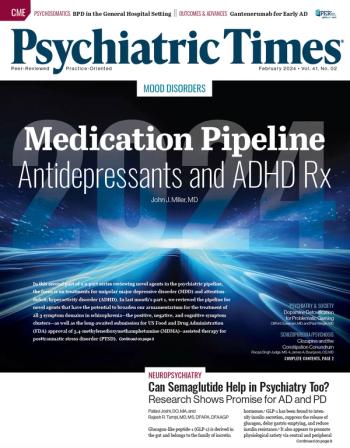
The experts weighed in on a wide variety of psychiatric issues for the February 2024 issue of Psychiatric Times.
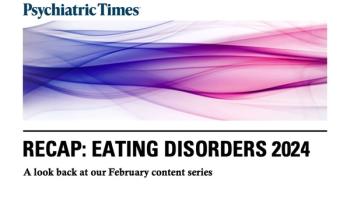
Here’s a look back at selections from our February content series on eating disorders.

Here are some updates from the world of psychiatry throughout the month of February.
In this CME article, examine the etiology of poor medical outcomes in borderline personality disorder and learn more about the assessment and management of patients with reported borderline personality disorder who have been admitted medically.

Has psychiatry leaped in advances in the past 50 years?

How do the 4 major chatbots compare for psychiatrists and mental health professionals?

Are you excited for Leap Year?

Does a lack of abortion access fuel mental illness by exacerbating stress, poverty, and domestic violence? Learn more here.

Psychiatric Times discussed the recent research with Anne Marie O'Melia, MD, MS, FAAP, CEDS-S, of the Eating Recovery Center.

Diagnosing this intricate comorbidity demands a nuanced approach. Here's what you need to know.

"For you and I, know that this space, this pace, this race is a gift to be shared, craved, and loved."

Psychiatric Times sat down with Erikka D. Taylor, MD, MPH, DFAACAP, of Project HEAL to discuss the unique challenges associated with treatment of eating disorders in this patient population.

In patients seen in the medical setting, as many as 20% have personality disorders.
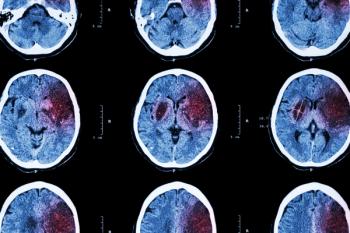
Neuropsychiatric disorders regularly occur following traumatic brain injury and are often diagnosed within the first year postinjury. Diagnosis and treatment of neuropsychiatric disorders can be difficult due to a number of interacting factors, such as preinjury psychiatric history, lesion location, injury severity, substance misuse, and psychosocial complications. Clinicians should use a highly individualized approach to diagnosis and treatment planning.

Explore 2 examples of psychiatrists as chief wellness officers.
The CRL cited several areas for clinical improvement necessary for future approval of the treatment.

“The No Fees for EFTs Act addresses the deceptive business practices of EFTs and protects a doctor’s ability to provide quality patient care.”