

Happy Earth Day!
Happy Earth Day!
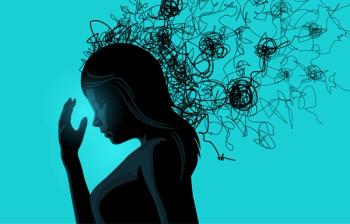
Sidney Zisook, MD, lists these as the top 8 issues in MDD.

What does a doctor look like?

Researchers performed a randomized controlled trial of a high n-3, low n-6 polyunsaturated fatty acid diet in bipolar disorder.

Catch up on all the latest from the American Pharmacists Association (APhA) Annual Meeting & Exposition.

How can we treat Russia’s narcissism?
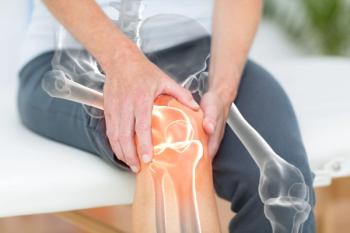
Lithium for bone health? Researchers performed a retrospective cohort study to evaluate the effects of lithium on risk of osteoporosis in bipolar disorder.

How have William Wordsworth's ideas about creative visualization influenced cognitive behavioral therapy in contemporary psychiatry?

How can music help support mental health in patients with cancer and the development of cancer-fighting solutions?

Reflections from a child and adolescent psychiatrist in the wake of the COVID-19 pandemic.

How does a recent critique of the history of psychiatry get it wrong?

If you missed out on the custom Around the Practice video program on naloxone, we've got you covered. Read a recap here.

Russia’s latest horror in Ukraine is being fought by a psychiatry hero.

The warnings cite consumer risks, as well as FD&C, RHA violations.

One doctor shares how psychiatry can have a permanent impact on patients and their families.

How is the fetishization of Black bodies and the weaponization of European beauty standards used against Black women in sport?

How do we find the right treatments for our patients with schizophrenia at every step of their journey?

A recent study examined hyperprolactinemia and antipsychotic therapy in patients with schizophrenia and Hashimoto's thyroiditis.

Maybe we need a holiday to come together to overcome our group conflicts and global challenges.

Evidence review focuses on bipolar disorder, psychosis, and major depression.

Sami Timimi, MD, shares his thoughts on alienation and ADHD, and what role current systems of mental health play.

It is Christian Good Friday and the first night of the Jewish Passover, but did you know today marks another holiday?

Legislators are actively doing harm to the practice of medicine.

How can looking at the suffering of patients with schizophrenia through a psychodynamic lens help clinicians develop effective interventions and treatment plans?

"And then he stepped back, straightened his hat, let me sweat my own decision."

Here are a few reminders to help avoid both toxicity and loss of effectiveness.
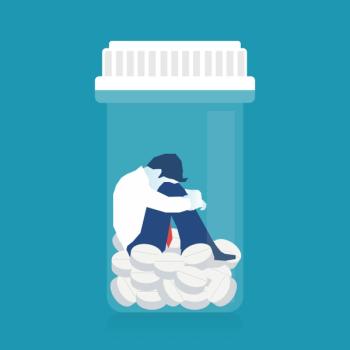
How can this combination of treatments help create positive change for individuals struggling with addiction?

Violence against women and resulting traumatic brain injuries increased during the COVID-19 pandemic.
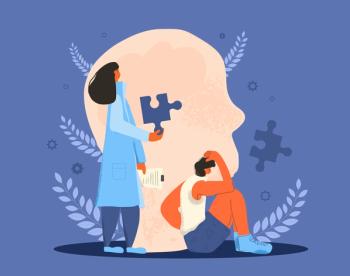
Recent research suggests females with autism may need their own set of parameters on which to be measured.

Here’s how to support patient mental and physical health through a nutrition lens.