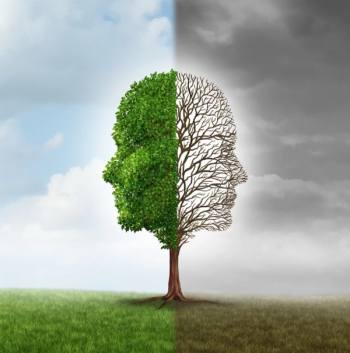
Hurricane Maria was the wakeup call many Puerto Ricans needed to become active in social justice efforts. Their story serves as an example of transformational resilience.
Hurricane Maria was the wakeup call many Puerto Ricans needed to become active in social justice efforts. Their story serves as an example of transformational resilience.
The moment the maestro flicks his baton, an orchestra thunders and the pianist suffers a stroke. But everyone plays on...

Moving toward a bio-psycho-sociocultural model of major depression.
Conversations in Critical Psychiatry with Derek Bolton, PhD, recognized internationally as a disginguished voice in philosophy and psychiatry.

It takes decisive action, not words, to really end stigma.

As a neuropsychiatric and general medical syndrome, catatonia represents an important diagnostic and treatment challenge for all clinicians given its morbidity and mortality.
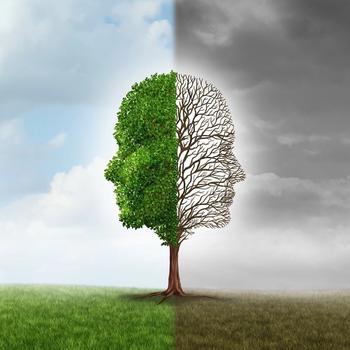
Hurricane Maria was the wakeup call many Puerto Ricans needed to become active in social justice efforts. Their story serves as an example of transformational resilience.
As we discover new diseases of the brain that present with psychiatric symptoms, it remains incumbent upon us to remember the experience of patients and their families in the context of society at large.

No doubt the climate is changing dramatically, and the evidence of profound heat waves and their impacts confront us in large and small ways on a regular basis.
While the process of diagnosing is common to all fields of medicine, this article specifically addresses missed “medical” diagnoses in patients who present to or are being followed by psychiatrists and other mental health clinicians.
DSM-5 categorizes PNES as a functional neurological disorder or conversion disorder with seizures. It is essential that neurologists, psychiatrists, and other clinicians coordinate care to ensure that patients with PNES receive a prompt diagnosis.

The National Alliance on Mental Illness (NAMI) is a one-of-a-kind nonprofit that is here for your patients and their families, no matter where they are.

The recognition of a wide range of traumatic experiences-physical or sexual assault, motor vehicular accidents, natural disasters, terrorism-has implications for understanding the vulnerability to vicarious trauma inherent in a clinician’s practice.
New research highlights the potential benefits and detriments of treatment strategies for ADHD, including both pharmacological and nonpharmacological options.

Today, 25 years after the Lorena Bobbitt trial, the case has gained a renewed interest. A look back shows how far we have-and haven’t-come in conceptualizing sexual violence.

The novel combination drug is designed to mitigate the weight gain associated with olanzapine.
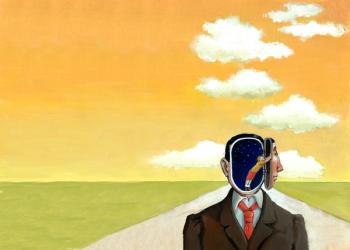
A climate change and mental health pioneer goes down memory lane with the Times.

Doing a review of systems wasn’t “rocket science,” as they say-but it was a classic example of medical science and of why psychiatrists are physicians first.
This CME discusses what is known about the pathology of tardive dyskinesia, the risk factors for the disorder, assessment of patients with movement disorders, and diagnosis and treatment.

Words have power. These include the power to heal, especially words spoken by physicians, mental healers in particular-psychiatrists.
Congratulations and kudos to Dr Richard M. Berlin, whose poem “Eye Contact” was chosen to be included in the 2019 Hippocrates Prize Anthology.
A ghostly glow frames the face of a man with nothing to hide...

Migrant children were being endangered, with potentially devastating effects on their mental health and development, and we requested policy changes.

Medical professionals don’t want to prescribe too many pain killers, which may contribute to the epidemic of opioid misuse, yet they don’t want patients to needlessly suffer.
Each moment of each day we make choices that can affect our brain health-our challenge is, without judgment, to increase the choices that promote a healthy brain.

Protein insolubility has been found to occur in a subset of patients with schizophrenia.

The first therapy to target the primary mechanism of the disease is safe and well tolerated, say study investigators.

A penetrating, deep, and intrepid exploration of Szasz’s oeuvre, and the indelible impact he has had on the practice of psychiatry, in this country and abroad.

The fallout from burnout: alcohol dependence, binge eating, sleep disorders, and general ill health.

Hearing loss before the development of language has a major impact on communication, identity, and social development, as well as how mental health symptoms present.