

Physician-assisted suicide is now legal in 11 jurisdictions in the US. To this, several clinicians say: “We must care for the dying, not make them dead.” Learn more in our June cover story.
Physician-assisted suicide is now legal in 11 jurisdictions in the US. To this, several clinicians say: “We must care for the dying, not make them dead.” Learn more in our June cover story.

Andrew Krystal, MD, and Wayne Drevets, MD, share their thoughts on the recent seltorexant data presented at the 2024 ASCP Annual Meeting.

The study aims to collect data to optimize the design of the treatment’s upcoming phase 3 clinical trial.

What questions did a Milwaukee community of older adults have for a psychiatrist?

What are the connections between environmental factors and the development of mental disorders?
Psychiatric Times Editor-in-Chief shares his thoughts on the FDA Psychopharmacologic Drugs Advisory Committee decision for MDMA.

How effective are these agents for AUD treatment? An expert shares highlights from his 2024 ASCP Annual Meeting Pharmaceutical Pipeline Update presentation.
The FDA Psychopharmacologic Drugs Advisory Committee voted against recommending approval for psychedelic MDMA.

Society starts with two—one is a fiction.

Write to us now to be part of our series focused on stress and anxiety this month.
The FDA Meeting of the Psychopharmacologic Drugs Advisory Committee evaluating the New Drug Application for MDMA is happening now. How do clinicians feel about this potential treatment for PTSD?

What we need more of: generosity.
A psychiatrist reflects and laments on the state of the country.
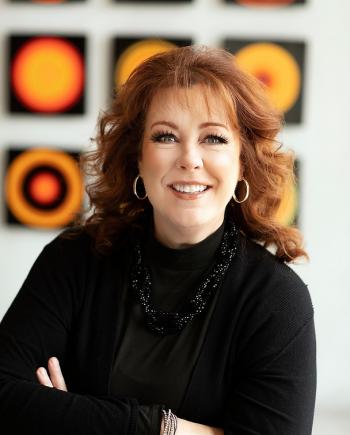
Carmen Kosicek, MSN, PMHNP-BC, and team share their excitement over potential new options pending the FDA's Advisory Committee meeting.

Rakesh Jain, MD, shares more about the recent approval of Austedo XR for the treatment of tardive dyskinesia and Huntington disease chorea control.

Investigators have dosed the first participant in a new study investigating the neurophysiological effects of BPL-003.

A lead educator and clinical consultant in the Lykos Therapeutics MDMA Therapist Education Program discusses MDMA-assisted therapy’s potential.
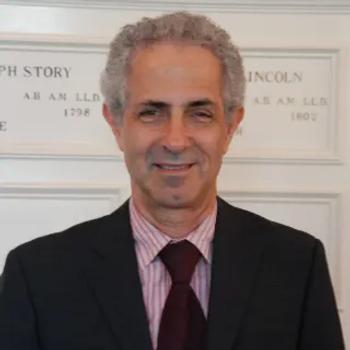
Some clinicians are skeptical about the potential of MDMA-assisted therapy...
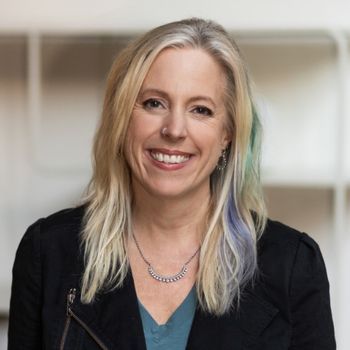
If approved, how will MDMA-assisted therapy impact clinical psychiatry? The CEO of Lykos Therapeutics shares her thoughts.
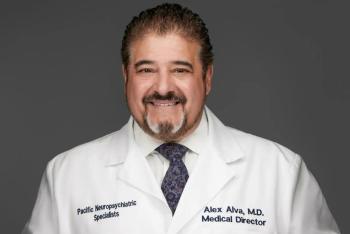
In advance of the June 4 FDA Advisory Committee Meeting on MDMA-assisted therapy, we sat down with Alejandra Alva, MD, to get his first impressions.

The importance of compassion.

Answer a quick question on psychedelics!

Answer a quick question about psychedelics!

In this CME article, learn more about common clinical conditions, consultation questions, and challenges in the field of critical care psychiatry.

Answer a quick question on psychedelics!

A poster presented at the 2024 ASCP Annual Meeting discussed the results of a study on the treatment for depressive symptoms in this patient population.

A poster presented at the 2024 ASCP Annual Meeting discussed the results of a study on the efficacy and tolerability of the investigational schizophrenia treatment.

"Not in the hands of boys, but in their eyes, Shall shine the holy glimmers of goodbyes."

How effective is this treatment in real-world clinical settings? Experts explore this in a poster presented at the 2024 ASCP Annual Meeting.

The need for effective leadership is apparent.