Michael F. Myers, MD, discusses issues of gender and sexuality, both today and in recent psychiatric history.
Michael F. Myers, MD, discusses issues of gender and sexuality, both today and in recent psychiatric history.
In their quest to become American doctors, international medical graduates face formidable obstacles. A psychiatrist from Libya explains how his colleagues can help them along the way.
How can psychiatrists meet the challenge of treating PTSD in veterans?
The unique opportunities for clinicians in identifying risk and preventing suicide are discussed in this podcast.
How can clinicians help patients struggling with addiction, especially during this time when uncovering past traumas might feel impractical?
There are many reasons symptoms worsen in younger patients who are prescribed antidepressants. Five possible scenarios are discussed in this podcast.

Chris Aiken, MD, and Kellie Newsome, PMH-NP, discuss best practices for dosing quetiapine for the treatment of bipolar disorder.
Chris Aiken, MD, and Kellie Newsome, PMH-NP, discuss how to dose lithium for the treatment of bipolar disorder.
Which one rises to the top of your list? More in this podcast.
Although the diagnostic criteria used in children are the same as adults, there are some key differences in clinical presentation of psychotic features. More in this podcast about childhood schizophrenia.
Child psychiatrists offer their real-world experience of what they have seen in practice, together with tips and suggestions for clinicians who may be seeing similar symptoms in their young patients.
In this podcast, we speak with a psychiatrist about topics ranging from what prompted her to pursue a career in child psychiatry to treatment strategies and common conditions comorbid with ADHD.

Unprecedented numbers of Americans are losing their jobs. When patients describe psychiatric symptoms (eg, anxiety, insomnia, irritability), psychiatrists should ask about workplace issues.
In this podcast, Dr Andrew Brown, a member of the Group for the Advancement of Psychiatry, Work and Organizations Committee and lead psychiatrist for the Boston Police Department, provides his views on how psychiatrists can help support patients who have anxiety associated with the categorization as “essential.”
Dr Daven Morrison provides his views on how and why psychiatrists should take a thorough work history, especially now, during the COVID-19 pandemic.
In this podcast, psychiatrists from the Group for Advancement of Psychiatry, Work and Organizations committee walk us through assessing how a patient's work ties to their sense of identity. They describe ways to validate a patient's feelings, provide reassurance, and help manage their emotions.

Sit back and listen to Dr Jud Brewer discuss integrative approaches to managing anxiety during the COVID-19 pandemic.

Is there special guidance for APA members regarding COVID-19 and their practices/patients? What resources are available?

We have nearly a dozen atypical antipsychotics to choose from, but do all of these work in bipolar disorder and which of them should we start with? Listen to the podcast.

The bipolar word can be frightening or confusing to patients, but there are ways to talk about it that engage them in recovery. More in this podcast.

Some patients can get more depressed on this antidepressant. This isn't about bipolar disorder or antidepressant-induced mania. It's about a metabolite. More in this podcast.

In this podcast, Chris Aiken, MD reviews ways to reduce risks that can be associated with treatment for bipolar disorder.
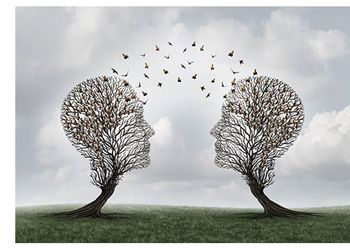
Behind the controversy is some common ground, buried deep in the DSM. New insights and podcast here.

Some dyskinesias improve with antipsychotic treatment, and these types are more common than thought. More in this podcast.

Bupropion is one of the better tolerated antidepressants, but concerns about anxiety, insomnia, and seizures have dampened its popularity. In this podcast, we’ll see how well those concerns hold up to the evidence.
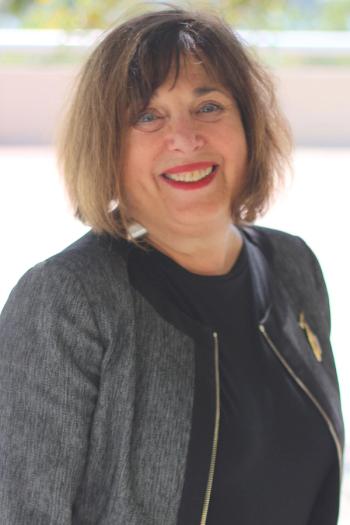
Psyched! podcast hosts interview Carol A. Bernstein, MD, who makes the case for psychiatrists using their voice to help psychiatric patients and families.
Presenters of Psyched! podcast talk about biological psychiatry, schizophrenia, and biotypes with a researcher who has presented groundbreaking work in the field.
In this podcast, Dr Mark Komrad explores the relatively new Medical Aid in Dying (MAID) law in Canada, and how it may be on the verge of opening medical euthanasia to certain qualified psychiatric patients

A physician suicide loss survivor shares her story of grief after losing her husband as well as her experience telling her 3 children about it and why she feels compelled to create "better memories" for them.