






This exchange follows what began with Dr Richard Noll’s article, “Speak, Memory” and the “repressed recovered memory/multiple personality disorder” iatrogenic epidemic of the late 1980s and 1990s.
This exchange follows what began with Dr Richard Noll’s article, “Speak, Memory” and the “repressed recovered memory/multiple personality disorder” iatrogenic epidemic of the late 1980s and 1990s.
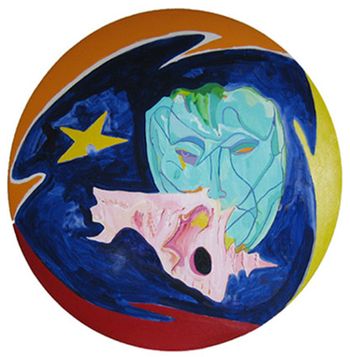
Painting and writing are ways in which this clinician expresses herself and relaxes after a hard day's work with patients.

What is your first impression of this image and why?
In psychiatry, we do not complete physical exams; much of our diagnosis is born out of our observations, interviews, and conversations. Other medical fields, particularly surgery, require manual, technical, and motor skills. In this manner, psychiatry is unique. More in this commentary.
An update on the diagnosis, causation, and treatment of chronic depressive problems. The focus is on the recently introduced diagnostic category of persistent depressive disorder.
To some extent, humiliation is part and parcel of the human experience. Some make the case that minor experiences can be psychologically beneficial. The important challenge for mental health professionals to help patients understand and reduce humiliation.
In addition to the approval of novel medications for alcohol use disorders, the past several years have been marked by an emphasis on development, standardization, and dissemination of new behavioral therapies, including computer-based interventions.
How the Repressed-Recovered Memory–Multiple Personality Disorder iatrogenic epidemic-surely one of the most tragic chapters in the history of psychiatry, psychology, and psychotherapy-ended, and how psychotherapy patients came to be protected by informed consent.

A discussion of computerized cognitive training programs with the most independent supportive research that demonstrates a previously unrecognized degree of neuroplasticity, or cognitive flexibility, in the brain.

What's your first impression of this Rorschach-type image? Is there a place for Rorschach measures in assessing psychotic functioning?

We do not have to set time aside to do something that helps validate our experience, while simultaneously coping with it. The lesson expressed in this psychiatry resident's poem.
What are the psychological and physiological effects of persistent loneliness? How prevalent in the US? What role can cognitive behavioral therapy play for persistently lonely people? In this podcast, an expert offers a brief overview of this underappreciated, but often overlooked, problem.
Why do so many die as a consequence of addiction? Sadly-and in some cases disastrously-affected individuals are never offered alternative approaches after one option fails. More in this commentary.

Many psychotherapies attempt to enhance patients’ problem-solving capacities, interpretation of images, and regulation of affective states. What areas in the brain play a role in these functions?
What is your first impression of this ink blot?

In the process of both psychotherapy and sculpture, this psychiatrist discovered there is potential for an exciting and rewarding life. Here, a representative piece from his collection.
When a full-time writer's husband was diagnosed with cancer, she found writing poetry helped her cope. She guessed that others would, like her, find their experiences with cancer best expressed through poetry. So began The Cancer Poetry Project.
In the 1980s, thousands of patients insisted they were recovering childhood memories of physical and sexual abuse during Satanic cult rituals. Here: a look back at the moral panic.
Notwithstanding sparse treatment data, recent efforts are beginning to provide clinicians with some clear treatment guidelines for medically unstable adolescents with anorexia nervosa.
Child-parent psychotherapy has been shown to be an effective treatment in helping caregivers and their children when they have experienced significant life trauma, often domestic violence. More in this podcast.
What do we know about the relative efficacy of current medication and therapy for OCD? This question answered and highlights of recent studies, future directions, and causes are summarized in this video.
In the first of a two-part Special Report, the evaluation and management of psychosis is explored across a range of disorders and clinical contexts.
The first generation of cognitive-behavioral therapy for psychosis, when added to standard care, has demonstrated efficacy in treating patients with delusions and hallucinations. Details in this article.
Information from studies on adolescents with psychosis and a review of the evidence about the risk of suicide and suicidal behavior in this patient population.
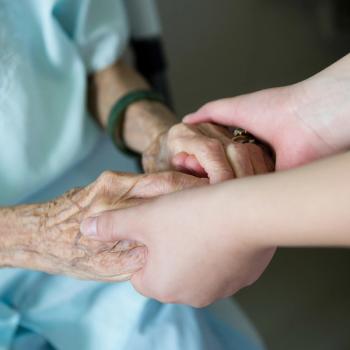
A patient’s spiritual “framework” can hold the key to therapeutic breakthroughs.