






Schizophrenia/Psychosis
Latest News
Advertisement
Latest Videos


CME Content






Advertisement
More News

A review and meta-analysis of antipsychotic dose-response literature prompts a proposal for lower maximum target doses.


Cannabis use during adolescence can profoundly impact brain development.

Evidence indicates that children and adolescents with ADHD have a more than 4-fold increased risk of schizophrenia spectrum and other psychotic disorders in adulthood compared with the general population.

Check out these exciting updates from the recent RISE study on TV-46000, a subcutaneous long-acting injectable antipsychotic formulation of risperidone.

The US Food and Drug Administration has approved Erzofri, a paliperidone palmitate extended-release injectable suspension for the treatment of adults with schizophrenia and schizoaffective disorder.

In this CME article, review management of several clozapine-related adverse effects and outline considerations when addressing inadequate positive symptom response to clozapine.

How can you differentiate between non-idiosyncratic prejudice and psychosis when a patient presents exhibiting discriminatory behavior? Learn more here.
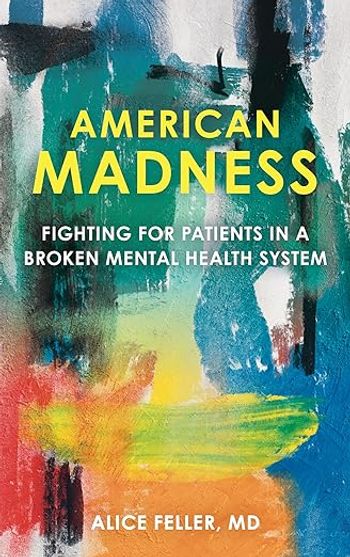
This book documents one clinician’s personal experiences with schizophrenia, insurance difficulties, and more.

The 2024 American Society of Clinical Psychopharmacology Annual Meeting brought together researchers and clinicians to engage in discussion, education, and dissemination of research findings and new methodologies.

The history of new treatments coming to schizophrenia should serve as a warning...

Write to us now to be part of our series focused on schizophrenia this month.

Here are highlights from the week in Psychiatric Times.

An update on recent advances and learnings from ongoing studies.
In this CME article, read more about best practices for utilizing clozapine plasma levels and the clozapine/norclozapine ratio to monitor clozapine therapy.

ALTO-101 has previously been shown to positively impact cognition in schizophrenia.

Check out the latest results from the phase 3 CONNEX-X study.

Review the multiple uses of metformin.

Investigational agent KarXT is a first-in-class muscarinic receptor agonist demonstrating antipsychotic efficacy and safety in short- and long-term clinical trials.

What is new in research on schizophrenia?

Experts shared the study results in a poster presentation at the 2024 ASCP Annual Meeting.

A poster presented at the 2024 ASCP Annual Meeting discussed the results of a study on the efficacy and tolerability of the investigational schizophrenia treatment.

What are the risks and benefits of antipsychotic polypharmacy for the treatment of schizophrenia?

Sam Clark, MD, PhD, the founder and CEO of Terran Biosciences shared all you need to know about the development of their schizophrenia treatment, TerXT.

In honor of Asian American/Pacific Islander Heritage Month, we had a discussion on how best to support AAPI youth and their families.
Advertisement
Advertisement
Trending on Psychiatric Times
1
Evidence-Based Ethical Principles for Long-Acting Injectable Antipsychotic Use
2
When Antidepressants Stop Working: Understanding Tachyphylaxis in Clinical Practice
3
Sleep Disruption and Alzheimer Disease: A Bidirectional, Treatable Relationship
4
What Do Patient-Level Studies Tell Us About Antidepressants and Suicide Risk?
5