

The social climate for physician well-being has worsened. Will this lead to increased retirements? Will this further escalate the situation?

Dr Moffic is an award-winning psychiatrist who specializes in the social, cultural, ethical, spiritual, and religious aspects of psychiatry, and since 2012 is in retirement as a private pro bono community psychiatrist. A prolific writer and speaker, he has done a weekdays column titled “Psychiatric Views on the Daily News” and a weekly video, “Psychiatry & Society,” since the COVID-19 pandemic emerged. Among his diverse and rare combination of major awards for psychiatrists, he was selected to receive the international Oskar Pfister Award for his contributions to religion, spirituality, and psychiatry at the American Psychiatric Association (APA) annual meeting in May 2026. Previously, he was chosen to receive the 2024 Abraham Halpern Humanitarian Award from the American Association for Social Psychiatry; the 2016 Administrative Psychiatrist Award from the American Psychiatric Association; in 2002, the one-time designation of being a Hero of Public Psychiatry from the Speaker of the Assembly of the APA; at the turn of the new millennium, an APA Art Association award at the annual meeting for his displayed collage “Any Point of View (of Rusti) is Pure Delight”; and in 1991 the Exemplary Psychiatrist Award from the National Alliance for the Mentally Ill. He also presented the third Rabbi Jeffrey B. Stiffman lecture at Congregation Shaare Emeth in St. Louis on Sunday, May 19, 2024. He has been an advocate and activist for mental health issues related to climate instability, physical burnout, and xenophobia, among other social justice causes, serving on many related local and national community and professional Boards. He has edited the requested 5-volume series on religions and psychiatry for Springer: Islamophobia, anti-Semitism, Christianity, The Eastern Religions and Spirituality, and in 2026, the Second Edition of Islamophobia and Psychiatry. He serves on the Editorial Board of Psychiatric Times.
The social climate for physician well-being has worsened. Will this lead to increased retirements? Will this further escalate the situation?

Explore Canada's evolving psychiatric landscape, including innovative treatments and the ethical debate surrounding aid in dying for mental illness.

Are Americans acting like zombies? How many of us are walking around in a traumatized daze, needing a creative political response?

Explore the profound impact of grandparent-grandchild relationships on well-being, connection, and legacy in this insightful reflection.

The climate crisis has worsened... What can psychiatry do to help?
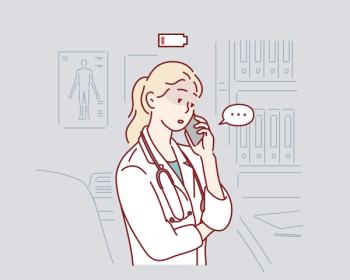
Psychiatrists face rising challenges amid social crises, but these can be combatted through emotional awareness, resilience, and hope.

Mental health professionals face disaster fatigue amid ongoing crises, struggling with emotional exhaustion and compassion fatigue while seeking effective solutions.

The new movie "Superman: Legacy" addresses modern social challenges and potential mental health themes.

The psychological impact of national tragedies: it's time to recognize the importance of mourning and finding meaning in collective grief.

Are you ready for new reading recommendations related to psychiatry?
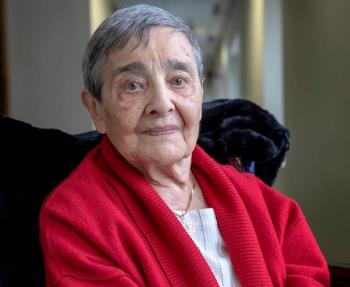
Anna Ornstein, MD's legacy as a Holocaust survivor and humanitarian psychiatrist inspires reflection on societal issues and the importance of empathy in healing.

Let's look at the intersection of psychiatry and the afterlife, including the beliefs, research, and personal insights on reincarnation and purpose.

H. Steven Moffic, MD, discusses social psychiatric connections to the Declaration of Independence with some psychiatric additions to life, liberty, and pursuit of happiness.

Explore the intriguing connections between afterlife beliefs, personal experiences, and the psychological impact of grief in this thought-provoking analysis.

The complex ethics of dying, death, and assisted dying lead to debates on terminology and implications for patient autonomy and suffering.

July 1 marks 50 years in psychiatry for H. Steven Moffic, MD! In celebration, he shares essential advice for aspiring psychiatrists, emphasizing ethical decision-making, flexibility, and the importance of passion in mental health careers.

Let's explore the intriguing intersection of psychiatry and past lives, revealing how understanding previous existences can lead to personal healing and growth.

Let's explore the psychological impacts of international conflict. We must emphasize the need for compassion and understanding to foster peace and mental health.

H. Steven Moffic, MD, examines the intersection of death, dying, and the afterlife through personal stories and psychiatric insights in this thought-provoking discussion.

Explore the significance of Juneteenth, its historical context, and the ongoing challenges of truth and equity in mental health care.

H. Steven Moffic, MD, reflects on mental health challenges amid political turmoil, emphasizing the need for effective advocacy and support in the community.

Let's examine the effectiveness of recent protests, peaceful rallies, innovative strategies, and their impact on social change.

Let's explore the evolving role of fathers, societal shifts, and the impact of gaming on male identity and mental health.

Making redemption more explicit in psychiatry will increase the study of its possible influence and connections.

What do readers think of redemption in psychiatry?

Prevention of wars would reduce the extraordinary loss of lives and major trauma.

Mental health: it is time to do what is needed now or it will be more extensive and expensive later.

How can we apply the principles of redemption in psychiatry?

What role should performance enhancers and even AI play in psychiatry and human interactions?

H. Steven Moffic, MD, ponders the interesting story behind the Goldwater Rule, and whether it remains useful as is.