

Explore the profound impact of relationships over achievements as we reflect on legacy and the importance of family connections in later life.

Dr Moffic is an award-winning psychiatrist who specializes in the social, cultural, ethical, spiritual, and religious aspects of psychiatry, and since 2012 is in retirement as a private pro bono community psychiatrist. A prolific writer and speaker, he has done a weekdays column titled “Psychiatric Views on the Daily News” and a weekly video, “Psychiatry & Society,” since the COVID-19 pandemic emerged. Among his diverse and rare combination of major awards for psychiatrists, he was selected to receive the international Oskar Pfister Award for his contributions to religion, spirituality, and psychiatry at the American Psychiatric Association (APA) annual meeting in May 2026. Previously, he was chosen to receive the 2024 Abraham Halpern Humanitarian Award from the American Association for Social Psychiatry; the 2016 Administrative Psychiatrist Award from the American Psychiatric Association; in 2002, the one-time designation of being a Hero of Public Psychiatry from the Speaker of the Assembly of the APA; at the turn of the new millennium, an APA Art Association award at the annual meeting for his displayed collage “Any Point of View (of Rusti) is Pure Delight”; and in 1991 the Exemplary Psychiatrist Award from the National Alliance for the Mentally Ill. He also presented the third Rabbi Jeffrey B. Stiffman lecture at Congregation Shaare Emeth in St. Louis on Sunday, May 19, 2024. He has been an advocate and activist for mental health issues related to climate instability, physical burnout, and xenophobia, among other social justice causes, serving on many related local and national community and professional Boards. He has edited the requested 5-volume series on religions and psychiatry for Springer: Islamophobia, anti-Semitism, Christianity, The Eastern Religions and Spirituality, and in 2026, the Second Edition of Islamophobia and Psychiatry. He serves on the Editorial Board of Psychiatric Times.
Explore the profound impact of relationships over achievements as we reflect on legacy and the importance of family connections in later life.
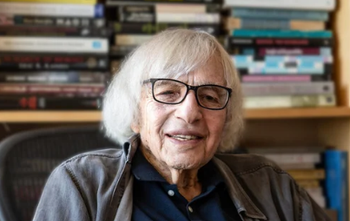
Remembering Robert Jay Lifton, MD

Explore the intersection of technology and memory as holograms of genocide survivors inspire hope and healing in today's world.

H. Steven Moffic, MD, explores the psychological themes in "The Red Violin" and highlights the resilience of Holocaust survivors this Labor Day.
Today marks 4 years of "Psychiatric Views on the Daily News"! Celebrate with H. Steven Moffic, MD.
Explore the psychological interplay of love and aggression in wartime, as Freud's theories resonate with today's conflicts and relationships.

H. Steven Moffic, MD, explores the impact of moral injuries on psychiatrist burnout, emphasizing the need for healing and support in the profession.
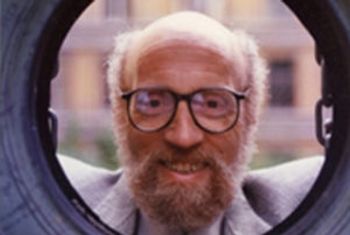
Warren Brody, MD: Ahead of his time? Remembering his life and legacy.

It's been 20 years since Hurricane Katrina. What lessons have we learned and what lessons do we still need?

According to a new law, humans are essential for appreciating nonverbal information and exercising ethical priorities.

Explore the lasting impact of therapeutic communities on mental health and addiction recovery, highlighting innovative research and community-building strategies.

Can we integrate politics, religion, and psychiatry for a better society?

H. Steven Moffic, MD, examines the psychological dynamics of hubris, humiliation, and revenge in global conflicts.

Explore the intersection of Taylor Swift's music, relationships, and their impact on mental well-being in today's society.

What are the cultural implications of President Trump's Kennedy Center Honors selections?

Current crises threaten children's health and mental well-being globally, highlighting the urgent need for action and support from psychiatry and society.

We have major mental health risks in our country’s divisiveness and international wars.
Explore the intersection of psychiatry and politics as H. Steven Moffic, MD, reflects on Canadian unity and the challenges facing mental health services today.

Let's examine the mental health challenges faced by Native Americans and First Nations, highlighting historical trauma and the need for reparative actions.

Let's examine innovative psychiatric approaches to address social conflicts, such as empathy, understanding, and the potential for healing in turbulent times.

What are the parallels between train travel and psychiatric care?

H. Steven Moffic, MD, suggests its time to reassess our ethical priorities.

Explore the intersection of art and war, revealing how artists can uniquely interpret conflict and enhance mental health care through creative expression.

The themes of forgiveness and redemption in Shakespeare and contemporary plays highlight their impact on mental health and societal healing.

Explore the psychological depths of Macbeth's ambition and its destructive consequences, reflecting on leadership challenges in today's society.

Explore the parallels between Shakespeare's "As You Like It" and today's societal challenges, highlighting love, resilience, and the role of psychiatry.

In the movie, "Oppenheimer," we see a glimpse of atomic fallout and the consequences of war. How does this apply to today's global events?

Mass shootings in the US spark debate on mental health and gun laws, contrasting with Canada's approach to violence prevention and gun control.

Explore the intersection of music, psychiatry, and social justice through Shostakovich's powerful compositions and their relevance today.

Holocaust survivor stories reveal ongoing psychiatric impacts, resilience, and the importance of community support in overcoming trauma and grief.