

Explore the intersection of cultural trauma and mental health, emphasizing the importance of awareness and education in preventing future conflicts.

Dr Moffic is an award-winning psychiatrist who specializes in the social, cultural, ethical, spiritual, and religious aspects of psychiatry, and since 2012 is in retirement as a private pro bono community psychiatrist. A prolific writer and speaker, he has done a weekdays column titled “Psychiatric Views on the Daily News” and a weekly video, “Psychiatry & Society,” since the COVID-19 pandemic emerged. Among his diverse and rare combination of major awards for psychiatrists, he was selected to receive the international Oskar Pfister Award for his contributions to religion, spirituality, and psychiatry at the American Psychiatric Association (APA) annual meeting in May 2026. Previously, he was chosen to receive the 2024 Abraham Halpern Humanitarian Award from the American Association for Social Psychiatry; the 2016 Administrative Psychiatrist Award from the American Psychiatric Association; in 2002, the one-time designation of being a Hero of Public Psychiatry from the Speaker of the Assembly of the APA; at the turn of the new millennium, an APA Art Association award at the annual meeting for his displayed collage “Any Point of View (of Rusti) is Pure Delight”; and in 1991 the Exemplary Psychiatrist Award from the National Alliance for the Mentally Ill. He also presented the third Rabbi Jeffrey B. Stiffman lecture at Congregation Shaare Emeth in St. Louis on Sunday, May 19, 2024. He has been an advocate and activist for mental health issues related to climate instability, physical burnout, and xenophobia, among other social justice causes, serving on many related local and national community and professional Boards. He has edited the requested 5-volume series on religions and psychiatry for Springer: Islamophobia, anti-Semitism, Christianity, The Eastern Religions and Spirituality, and in 2026, the Second Edition of Islamophobia and Psychiatry. He serves on the Editorial Board of Psychiatric Times.
Explore the intersection of cultural trauma and mental health, emphasizing the importance of awareness and education in preventing future conflicts.

How can we mourn our losses and move on in the New Year?

These are the 2 winners of the Hanusol Contest!

Explore the intersection of light and darkness through the lens of Hanukkah and the Winter Solstice, revealing insights on peace and human experience.

The tragedy sheds light on the complexities of parricide and loss.

Explore the legacies of Milwaukee's influential psychiatrists, Jon Gudeman and Scott Sandage, and their impact on mental health and culture.

Explore the connection between recent tragedies and the enduring light of hope during Hanukkah, emphasizing the importance of community and resilience.

Explore the vital contributions of psychiatry, from therapeutic alliances to ethical principles, and the future challenges it faces in a complex world.

The article explores the psychological impact of recent mass killings, highlighting societal issues like anti-Semitism and mental health, while calling for collective healing.

Explore the psychological impact of Pantone's 2026 color choice, "Cloud Dancer," and its implications for emotional well-being and societal unity.

From the Chicago Bears coach to Dr Seuss, what makes an inspiring leader?
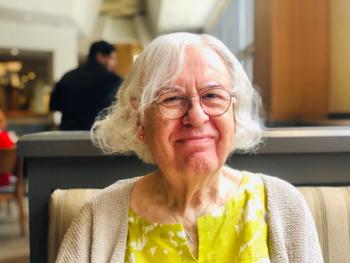
Dr. Carrie Soloway's legacy inspires courage in transgender individuals, highlighting the ongoing challenges and triumphs in mental health and identity.

Explore innovative solutions to combat burnout in health care, including coaching, psychedelics, and addressing administrative harm for lasting change.

Psychiatry needs compassionate, culturally competent leaders to address mental health challenges and promote innovative solutions for a healthier future.

It is a heroic challenge to go against power, shares H. Steven Moffic, MD.

Discover the positive shifts in psychiatry, from youth mental health improvements to innovative treatment technologies, amidst current challenges.

Explore the importance of gratitude in psychiatry, addressing challenges, stigma, and the pursuit of mental health improvement in communities.

Women are experiencing ongoing trauma and sexual abuse, highlighting the need for psychiatric support and societal change.

Let's make time for kindness...

Explore the emerging field of spiritual psychiatry, addressing the intersection of mental health, ethics, and personal meaning in patient care.

Two promising psychiatrists have tragically passed away.

Should psychiatrists' ethical priority to try to improve mental health take priority over a strict interpretation of the Goldwater Rule during turbulent times?

This Veterans Day, explore the lasting impact of trauma on veterans and the importance of addressing PTSD in our communities.

Eleanor Roosevelt's legacy inspires today's leaders to champion human rights, emphasizing mental health and the ongoing fight against discrimination.

Explore the profound connections between Thornton Wilder's "Our Town," psychiatry, and the importance of appreciating life's everyday moments.

Explore the intersection of AI and mental health, specifically the implications of technology on clinician well-being and ethical psychiatry.

H. Steven Moffic, MD, explores the intersection of society and psychiatry, reflecting on cultural celebrations and the need for optimism amidst global challenges.

Explore the intersection of psychiatry and social issues, addressing xenophobia and promoting understanding among diverse communities for a better future.

Explore the significance of the Days of the Dead, reflecting on life, loss, and the importance of mental health during this introspective season.

Explore the complex relationship between Halloween treats, nutrition debates, and mental health, highlighting the need for balanced diets and food accessibility.