
Here: a Q&A about diagnostic challenges in the real world; pharmacologic and non-medication options; and management of common adverse events in patients with DSM-5 bipolar and related disorders.
Here: a Q&A about diagnostic challenges in the real world; pharmacologic and non-medication options; and management of common adverse events in patients with DSM-5 bipolar and related disorders.

Although Asperger disorder is now included as part of the overall autism spectrum disorder, some say Pandora’s box has been opened.

MAOIs deserve special consideration in the treatment of refractory depression. Here's a case in point.

County hospital GYN clinic back in the days of Power to the People, five hours for 50 women stirruped by our clinic nurse...
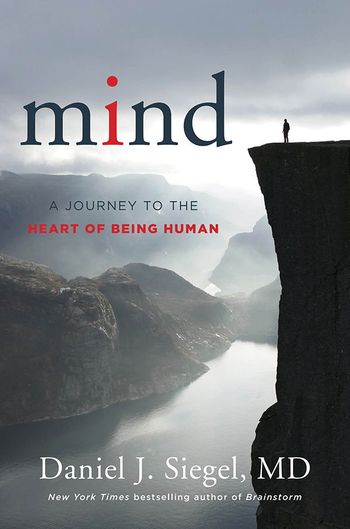
How might a better understanding of the mind enhance someone’s life and optimize a clinical encounter?

Schizophrenia and T2 DM risk; short-term weight gain with specific antipsychotics; interventions to reduce weight and/or metabolic abnormalities. . .answers here.

How much should you reveal about yourself to your patients? To colleagues? To the state medical society? H. Steven Moffic, MD, takes a look at this issue in this video.
A lighthearted exploration of Erikson’s stages through residency training.

The Slenderman case revives a long-standing debate: does media exposure influence acts of violence in youth?
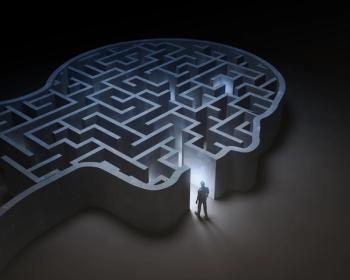
Six fundamental assumptions underlie the medical model most psychiatrists use in their clinical work.

A look at the impact of shift work and long hours on cognitive function.

Do prolactin-elevating antipsychotics put women at risk for endometrial cancer?

Recent events in Charlottesville are poignant reminders that the wounds caused by bigotry and racism leave a deep imprint on our spirit, bodies, and psyche.
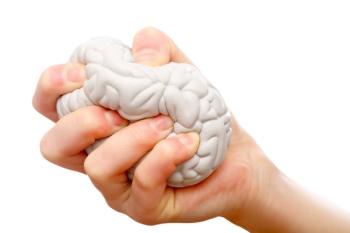
Like the cardiac stress test, mental health stress tests might help patients recognize their own psychiatric vulnerabilities. Would you take such a stress test if it were available?
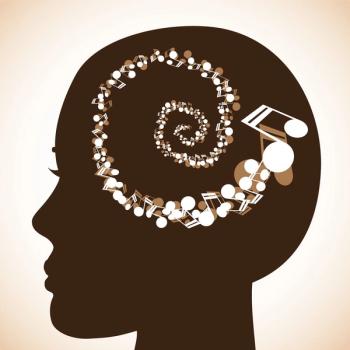
When the soloist lowers her Strad and takes a bow, she reveals the violin’s mark on her throat, which makes me think of Mozart...

Which gene is not associated with risk for the development of TD? What is the prevalence of TD in patients with schizophrenia treated with antipsychotics? Those questions and more in this quiz.
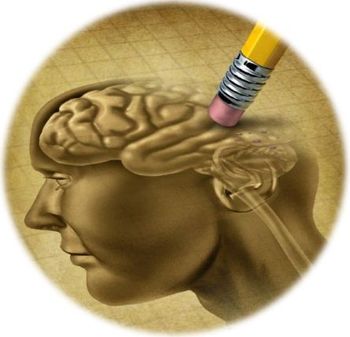
Here: what psychiatrists need to know about frontotemporal dementia. Case examples convey the variety of possible psychiatric presentations of behavioral variant FTD.

The author presents a fictionalized case based on a real patient to encourage colleagues to pursue psychodynamic psychiatry.
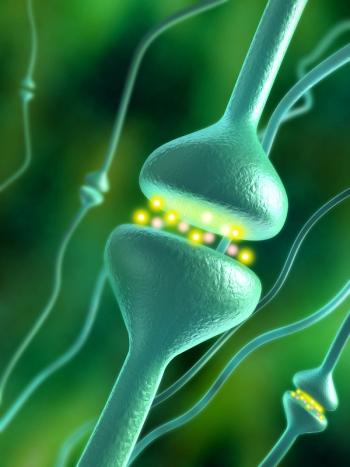
This articles focuses on the psychiatric and neurological implications of anti-NMDA receptor encephalitis.

Here's how I've managed to get my own mind off the news. What about you?

As I’ve seen in my parents’ remarkable journey from the doomed Jewish ghetto in Lodz, Poland, and in my psychiatry practice, photographs have immense power to heal.
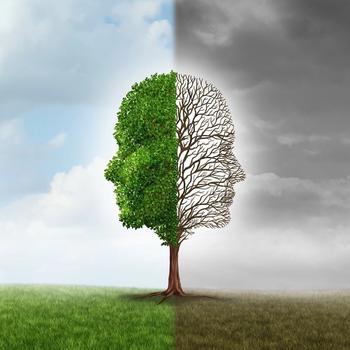
A spectrum approach to diagnosis.
5 key questions to ask as part of a comprehensive differential assessment of fatigue and depression.
Recent findings challenge the notion that these agents can provide sustained protection against cognitive decline.

In this pilot study, older adults who practiced yoga did better on measures of verbal and visual memory and executive function than those in memory training classes.

The author's enthusiasm and love for his work shines through in every page of this new book.
With over 10,000 mental health related smartphone apps out there, how can a psychiatrist determine which are useful and which may be harmful? Chair of the American Psychiatric Association’s Workgroup on SmartPhone Apps offers tips in this brief video.
Most of us listen in one way or another. But listening can be taken for granted, even in psychiatry.

It is vital that psychiatrists are able to identify and characterize cannabis use disorders; provide education; and offer effective, evidence-based treatments. This article provides a brief overview of each of these topics.
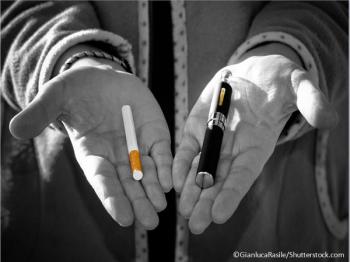
This article summarizes data on e-cigarettes, provides recommendations and resources to learn more, and emphasizes the evidence for treating tobacco (traditional cigarettes) addiction in people with mental illness.