

Clinicians have a powerful voice that can be used to address cyberbullying, improve campus climate, and support a positive undergraduate experience.
Clinicians have a powerful voice that can be used to address cyberbullying, improve campus climate, and support a positive undergraduate experience.

With aging, a multitude of medical conditions can occur and/or existing conditions can be exacerbated, contributing causally to or amplifying neuropsychiatric comorbidities.
Clinical traditions are important, but they can become ossified as the “right way to treat addiction.” So, we need to turn a sharp, skeptical eye on treatment models.
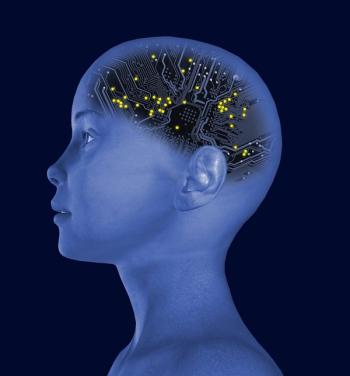
While most clinicians know about Huntington disease, they may not be aware of its devastating effect in cognition and behavior during onset in childhood and adolescence.
Here are four recent studies that provide clinically relevant information on medication management of bipolar disorder in youths.
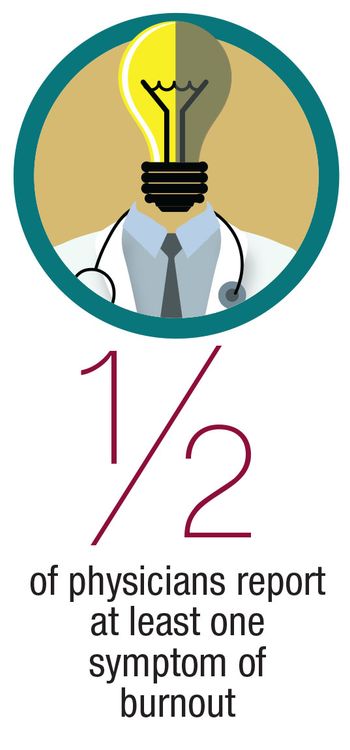
Drained physicians who don't practice self care may harm themselves and their patients. Here's one way to take a breather.

For too long the treatment needs of the seriously mentally ill have been ignored by SAMSHA, and this needs to change, says this psychiatrist.

Is a "good death" possible in the face of terminal illness?

Patients with residual symptoms of depression may continue to experience significant occupational and social impairment. The focus of this article is on the residual burden that so often remains after remission is achieved.

Although genetic discoveries are sprouting up like wildflowers, let's stop and smell the roses.

The latest research on the global risk of Alzheimer disease and other dementias.

After serving 18 years for sexual assault and attempted murder, new DNA procedures led to Steven Avery's exoneration. Surely, he must be guilty of something.
I drive west along the black granite bed of Cold River as it sweeps down the mountain. My best friend drives the same road east, the lies his wife told the judge trailing us...
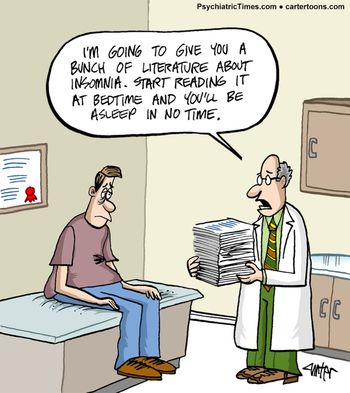
A humorous cure for insomnia.


Both the literature and clinical experience point to considerable risk in discontinuing antipsychotic treatment, for many chronically psychotic patients. Here's why.

We put our faithful old basset hound down this weekend. Maizy's death was painless, merciful, dignified, and timely. She died in the arms of two people who really loved her.
Encouraging results from one of the few clinical trials that focus on function in ADHD.

We celebrate April Fool’s Day for sound psychological reasons, and there are lessons to be learned.
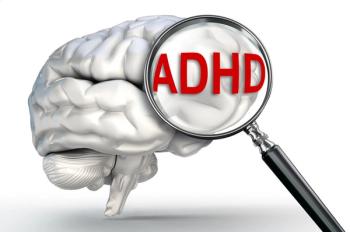
This nondrug intervention may enhance cognition in children with ADHD.
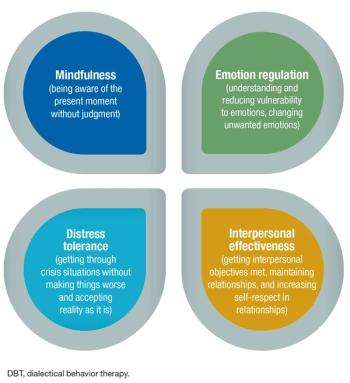
The latest research on DBT for treating psychiatric disorders, such as ADHD, bipolar disorder, eating disorders, and depression.

There is more to BPD than meets the eye. A complex interaction exists between environmental, anatomical, functional, genetic, and epigenetic factors.
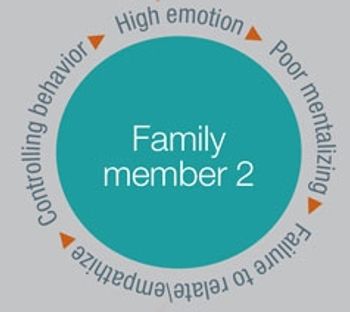
MBT presents a compromise to bridge the valuable history of psychoanalytic ideas to both modern psychiatric research as well as present public health needs and practice.

Laennec was running late when he saw children send sounds through a wooden beam...

Forty years later, we are still in the belly of the managed care beast.
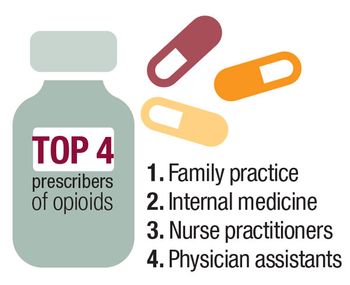
The involvement of a psychiatrist early in the care of patients addicted to opioids may prevent further abuse. Here's why.

A quick guide to common neurodevelopmental conditions and their associated late-life neuropsychiatric manifestations.
Reasons for the overall low rate of clozapine use brings to light questionable decisions on the part of policymakers
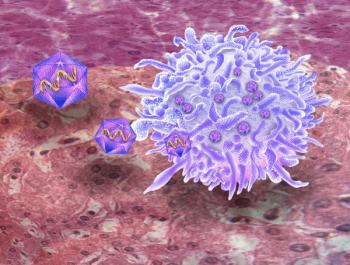
Because over half of persons with HIV infection have a lifetime history of depression or bipolar disorder, psychiatrists are uniquely positioned to provide both preventive and therapeutic interventions to vulnerable patients.

For a change, here is some very good news coming from several fronts. "It’s almost like science fiction, but it’s real."