









Integrative psychiatry helps us push deeper into the testing of metabolic, gut, and brain features, which seems more fitting, given our role as physicians.
Integrative psychiatry helps us push deeper into the testing of metabolic, gut, and brain features, which seems more fitting, given our role as physicians.

This review provides information to assist clinicians who are considering mindfulness meditation for their patients.

Recent studies demonstrate the far-reaching effects of childhood trauma related to depression and suicidality in adulthood. The evidence to support these associations is presented here.

What potential clinical and medical effects of lead exposure remain today?

Several new findings have emerged, one of which comes very close to providing a noninvasive “lab test” for bipolar disorder.
Is inflammation a cause or consequence of illness in schizophrenia?
Medical, psychiatric, and/or developmental disorders can be falsified in a variety of ways. Know the warning signs often missed by clinicians.

When ADHD is present, a survey of possible lead exposure can be considered, and here's why.
When did the US Supreme Court confirm the authority of states to intervene in family relationships to protect children? Find out in this quiz.

Benefits of drug therapy include fewer STDs, injuries, and substance use disorders

Have these researchers found a smoking gun?

New insights from a large study that relied on objective biomarkers.

Here's how the general psychiatrist can play a greater role in better outcomes for children in foster care.

Here: key take-home points from 6 new studies on adolescent and child psychiatry chosen for their clinical relevance, applicability, and quality.

Suicide is now the second leading cause of death among college students. But only 60% of colleges and universities have a psychiatrist on staff.

In an international network of patients with bipolar illness, more offspring of US patients than of those from Europe had received a mental illness diagnosis. This suggests greater epigenetic vulnerability in Americans.

The key to identification of prodromal psychosis may lie in community-based outreach.

An important alternative to pharmaceutical treatments may be at hand.

Do you know the 7 criteria that can help identify those at risk for unhealthy online gaming?

How to make a DSM-IV–compliant diagnosis when the child’s behavior in school cannot be assessed.

How radically do we want to alter the physician’s traditional ethical obligations to the most vulnerable of patients?

Clinicians have a powerful voice that can be used to address cyberbullying, improve campus climate, and support a positive undergraduate experience.
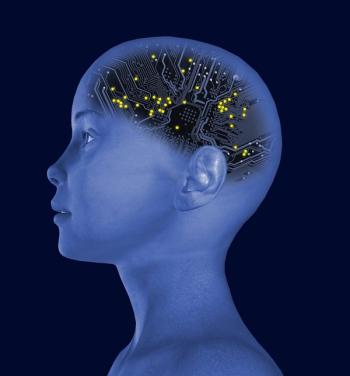
While most clinicians know about Huntington disease, they may not be aware of its devastating effect in cognition and behavior during onset in childhood and adolescence.

Here are four recent studies that provide clinically relevant information on medication management of bipolar disorder in youths.
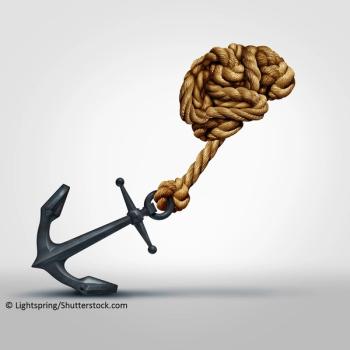
After a campus suicide, who is at increased risk of suicide in the near future? The answer might surprise you (or not).