



Child & Adolescent Psychiatry
Latest News


Promoting Literacy to Improve Child Development: Reading Model Boosts Efforts
By Leah Kuntz
Advertisement
Latest Videos




Shorts
1:29
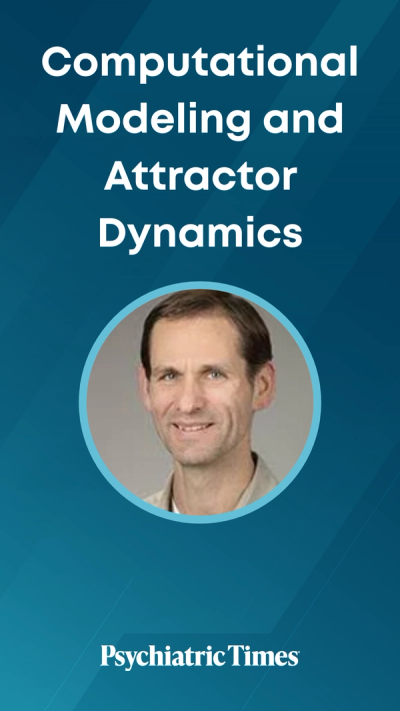
Computational Modeling and Attractor Dynamics
2 months ago
by
Bruno Averbeck, PhD
1:35
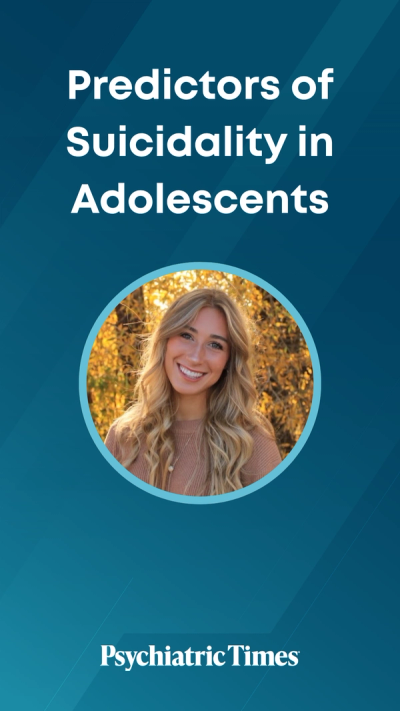
Predictors of Suicidality in Adolescents
5 months ago
by
Sienna Stevens

1:30
Morning Coffee and Updates: New Plan to Protect Youth Online
6 months ago
by
Leah Kuntz
1:09
Pediatric Sleep Needs and Healthy Behaviors
8 months ago
by
Joseph Dzierzewski, PhD
Podcasts




CME Content




Advertisement
More News

Courts cite teen brain science to soften sentences; experts warn generalized neuroscience overreaches and adult responsibility stabilizes by 18 to 20.

In this case exploration, a teen survives a gun injury yet denies self-harm, pushing clinicians to read beyond words and plan safety when suicide intent is unclear.

FDA clears Simtriyo, first NDSRI stimulant for ADHD ages 6 and older, as millions return to school—see what this means for treatment.

Meta faces an $18B teen-safety settlement, adding time limits, night and school modes, parental controls, and tighter age checks across Instagram and Facebook.

Explore new consensus guidelines on childhood stuttering, uniting psychiatry and neurology with practical treatment insights to improve patient care.
STARS experts redefine stuttering as a brain-based neuropsychiatric disorder, urging interdisciplinary care and warning dopamine-boosting ADHD or antidepressant meds may worsen symptoms.
Why teens use drugs and alcohol: avoidant attachment and emotional isolation fuel addiction; attachment-based therapy rebuilds bonds and cuts relapse.

Teens’ pre-bed smartphone scrolling drives more late-night phone use, disrupting sleep and potentially worsening mental health—experts urge bedtime screen limits and device-free bedrooms.

Lawsuits, research, and clinicians clash over youth screen addiction—learn more about how problematic social platform use evades diagnosis and how we can curb harm.
FDA issues CRL for CTx-1301 in ADHD.

New Surgeon General advisory warns of youth screen and social media harms, urging families, schools, and clinicians to act with the 5 Ds.

Massive Lancet meta-analysis suggests most use of antidepressants while pregnant does not raise autism or ADHD risk after confounders, easing treatment decisions.

ASAM’s new youth SUD criteria help clinicians deliver developmentally tailored, prevention-first care with coordinated family and community supports.

New ASAM youth criteria redefine SUD care with brain-stage levels, chronic monitoring, detox safety, and family-centered support.

Deep intracranial frequency stimulation 77.5 Hz high-gamma approach was associated with statistically significant reductions in self-injury behaviors and depressive symptoms in female adolescents with nonsuicidal self-injury.
ASAM announces new youth substance use disorder criteria, promoting early intervention, family-focused care, integrated mental health, and updated levels of treatment.
Advertisement
Advertisement
Trending on Psychiatric Times
1
Reimagining Depression Care: Why rTMS Should Be First-Line Treatment
2
Long-Acting Injectable Antipsychotics: Balancing Evidence, Ethics, and Patient Care
3
Podcast: Bessel van der Kolk, MD, on Trauma, Attachment, and the Limits of Pharmacotherapy for PTSD
4
sNDA Submitted: Caplyta for the Treatment of Bipolar Mania
5