

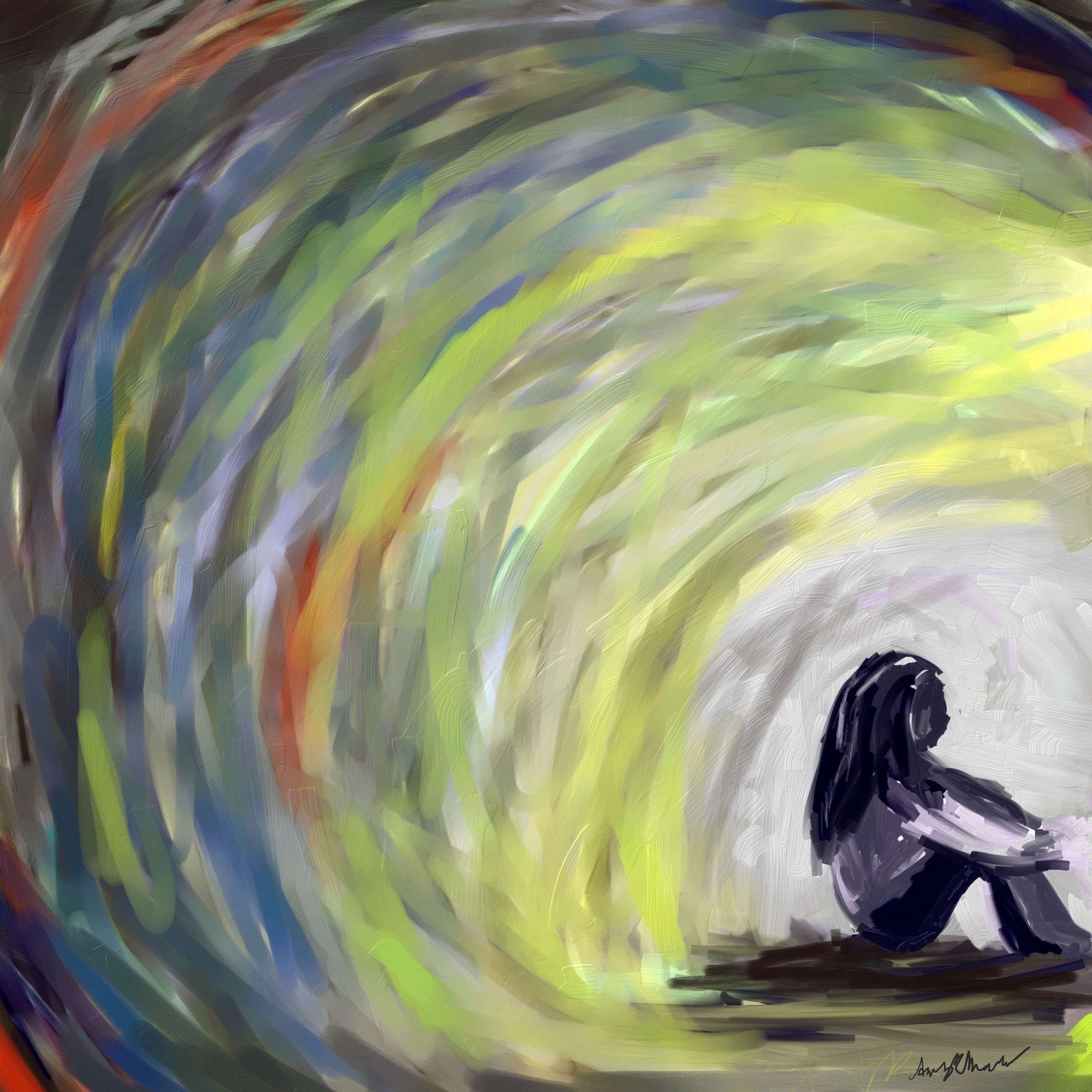









A teen writes about the unexpected gift of time the quarantine afforded her and her family.
A teen writes about the unexpected gift of time the quarantine afforded her and her family.

Solving the problems of “troublesome” children throughout the ages.

In this podcast, we speak with a psychiatrist about topics ranging from what prompted her to pursue a career in child psychiatry to treatment strategies and common conditions comorbid with ADHD.

Sharing a love of these winged visitors brought optimism to a community.

Suicide risk screening is especially challenging. Although data are not yet available to ascertain how COVID-19 will affect the suicide rate, the 3-tiered clinical pathway has been revised to accommodate mostly telehealth screening.

FDA approves video game as treatment for ADHD.

Allie Shapiro, MD, discusses strategies to identify child abuse and ways to approach children and their parents as COVID-19 pushes us in the direction of telepsychiatry.

Without normative attachment, children can move into their middle years without the tools to succeed in peer relationships, school, and extracurricular activities, opening the door to perils in adolescence.

In honor of National Foster Care Month, this article sheds light on these issues and provides information for psychiatrists caring for this vulnerable population.

Children are struggling through the pandemic. Here are strategies to spot symptoms before things get out of hand.

A child/adolescent and adult psychiatrist answers three key questions regarding youth and COVID-19.

Depression in children and adolescents is associated with several impairments but the most significant concern is the increased risk of suicide in youths with depression.

As we see masked faces walking alone across crowded streets, this young teen wonders if people will ever feel safe again. "Mother’s Day allows us to thank the mothers who help their children feel protected," she says.

Dr John Greden discusses many issues around college mental health and the upheaval the COVID-19 pandemic is causing in this population.

Within days of the COVID-19 pandemic, students scattered from campus to locations around the country, and their psychiatric care was interrupted at a time when they needed support more than ever.

It is one thing to hear from colleagues about how patients and the public are coping with the pandemic. It is quite another to hear directly from children. Five-year-old Adam, his parents, and I invite you to join Team Earth. Here’s why.
"Mom says viruses don’t attack countries, they attack people. And across countries we are still one people living under one roof." More in this pictorial and therapeutic dialog between a 5-year-old and his mother about the pandemic.
The authors discuss abusive disciplinary practices that continue to this day despite considerable evidence to the contrary and share thoughts and implications for psychiatrists.

College students are uniquely vulnerable to both everyday stressors and severe mental illness, and psychiatric symptoms among college students appear to be on the rise.

When parents take steps to end their marriages, the default arrangement for children should be shared parenting. Psychiatrists, psychologists, social workers, lawyers, and judges can help parents avoid irreparable harm.
While many think there is no need to discuss suicidal thoughts before adolescence, new research shows that clearly is not true.

As clinicians, how do we elevate our humanity to connect with the entire patient? How do we expand our knowledge base, move beyond our implicit biases and understand the critical role of culture?

Just as the progress over recent decades has improved the clinical evaluation and management of BD among children and adolescents, the remaining gaps serve to inform future progress.
A brief synopsis on how to spot major depression in youth.

The rise of the Internet and smart phones has created a proliferation of “sexting” between adults and, even more concerning, youths.