

The president of the American Association for Emergency Psychiatry (AAEP) gives a preview of his APA conference presentation.
The president of the American Association for Emergency Psychiatry (AAEP) gives a preview of his APA conference presentation.

Bystanders who view traumatic events tend not to react. This woman did.

There is 1 suicide every 11 minutes... how can crisis response systems help?

A mother’s quest to understand her child revolutionized our understanding of autism.

Teach both the patient and the patient's family are important steps to treating a mood disorder.

Meditation is a process and practice available to all.
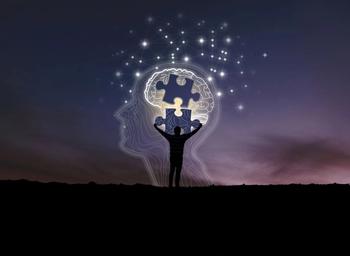
How do poetry and medicine interact and relate? One doctor shares his journey.

"My love, I am pledging to this republic, for however long we stand..."
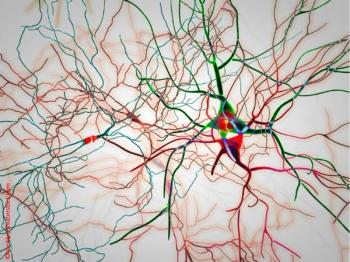
A message flowing through the brain, across neuronal systems... where is it headed?

Keep the earth in mind.

H. Steven Moffic, MD, reflects on the guilty verdict against Derek Chauvin for the murder of George Floyd.

Caring for patients with mood disorders is different than caring for patients with any other medical issues.

Meditation: useful, helpful, and health-promoting for both psychiatrists and patients.

“...sweetness comes as if on loan, stays just long enough to make sense of what it means to be alive, then returns to its dark source.”
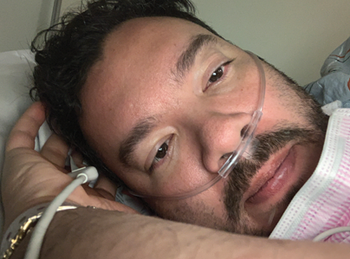
A year after being hospitalized with COVID, a physician considers the pandemic’s larger meaning for American medicine—and for American society.

Wishing you all the blessings of the holy month!

As the recent waves of violence show, a conversation needs to be had on mass shootings and gun violence...

How do poetry and medicine interact and relate? One doctor shares his journey.
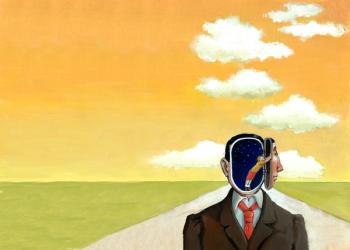
"... unconscious as hope that we sense around us now borne back into the earth..."

Female leadership can—and will—make a difference in the future.

Adopting to loss means having a focus on the present...

Better well-being begins with a clean space...

A bear under the snow turns over to yawn. It's been a long, hard rest.

Religion doesn't seem to be part of the conversation on these difficult times. How and why can it help?

Loss: the most common experience of all people, across all cultures...

A psychiatrist speaks about the life of the composer whose career was derailed by deafness.

Key considerations for healthcare providers seeking to manage their patients’ insomnia.

So I sit on the edge, wagging my feet above the abyss. Tonight the moon will be in my lap...

Everything happens for a reason... or does it?
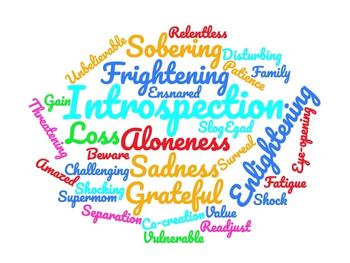
What words do people associate with the past year?