











Can kindness help determine who gets sick and who stays healthy?
Can kindness help determine who gets sick and who stays healthy?

"Go out into the real world; work in prisons, in run-down towns with high unemployment or with refugees or in remote areas. Go overseas or into underprivileged parts of your own country. And that is how you learn about real psychiatry," says Niall McLaren, MBBS, FRANZCP, in the next installment of Conversations in Critical Psychiatry.
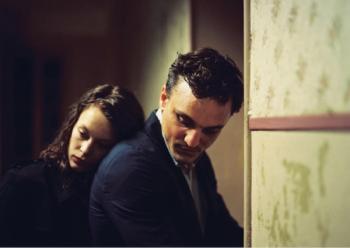
Christian Pitzold’s haunting 2019 film, based on Anna Seghel’s masterful 1942 novel.

It is a rare feat for a conceptual book on psychiatry to generate as much acclaim, influence, longevity, and readership within the profession as has The Perspectives of Psychiatry. Paul R. McHugh, MD is featured in this Conversations series.
The express goal of this guidebook: “to bring together comprehensive data about murder within the family, as well as real-life stories of this tragedy.”

Conversations in Critical Psychiatry with Derek Bolton, PhD, recognized internationally as a disginguished voice in philosophy and psychiatry.

A penetrating, deep, and intrepid exploration of Szasz’s oeuvre, and the indelible impact he has had on the practice of psychiatry, in this country and abroad.

This book focuses on Islamophobia’s multifaceted nature, its broad and specific clinical challenges, and its connections with the current political realities of a convulsed world.

The pleasures of a story unfolded serially are ancient and ubiquitous.
As interest in mental health technology grows, so do questions about its risks and benefits. more in this book review.
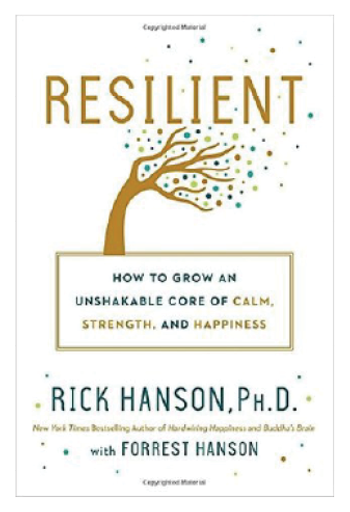
In his latest book, Resilient: How to Grow an Unshakable Core of Calm, Strength, and Happiness, Dr Hanson discusses the scientifically grounded foundation for lasting wellbeing.

Inquiring about a patient’s favorite movie sometimes proves unexpectedly revealing.

In medical publishing, the casebook format has become increasingly popular-and for good reason. A new casebook focuses on the overlap of neurology and psychiatry in child practice.
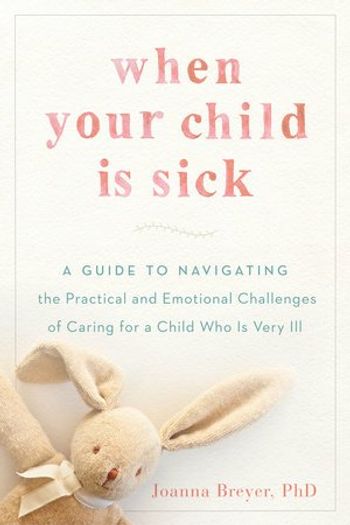
One is reminded as one reads this book of Emerson’s well-known quote, “Common sense is genius dressed in work clothes.”

The most scorching inditement of racism yet in film. Warning: spoilers.

A look at therapist Esther Perel’s podcast on couples therapy, Where Should We Begin?

Psyched! podcast hosts interview Carol A. Bernstein, MD, who makes the case for psychiatrists using their voice to help psychiatric patients and families.
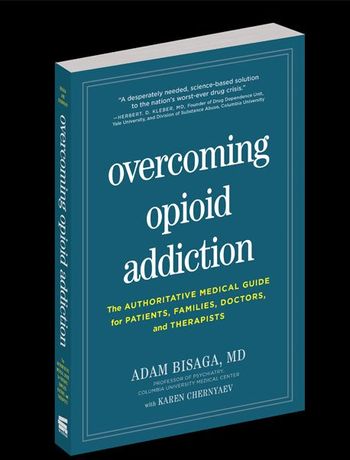
Since so much has already been written about the opioid epidemic, it is reasonable to wonder whether we need another book about this phenomenon? Experts make the case for why we need more information-and urgently.

Gerda Saunders, an emerita professor who was diagnosed with vascular dementia at age 60, explores the meaning of progressive cognitive impairment in relationships and life.

The typical trials of an teen working to understand sex and intimacy is compromised by an inappropriate power dynamic in this film, according to the authors.
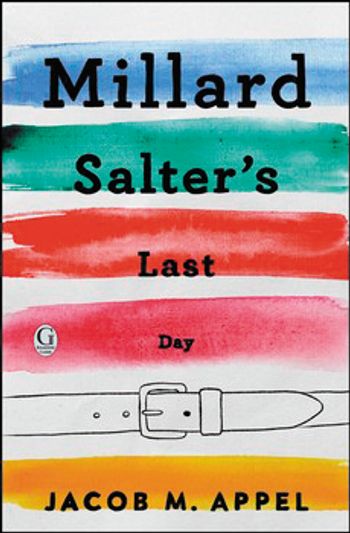
In this novel, we join New York consultation-liaison psychiatrist Dr Millard Salter for what he intends to be his final day on earth.

In this podcast, author Mark Lukach shares his experiences as the loved one of someone with new onset symptoms of mania, depression, suicidality, and psychosis.

The release of the book described here comes amid a rising understanding that although we are 60 years into the antipsychotic era, these medications only partly help people with schizophrenia.

The game looks disarmingly simple. In fact, it’s alarmingly complex.

The sequel probes the big questions without flinging them in the viewer’s face. How does memory articulate with one’s sense of origin and purpose-and, above all, of death?