

Here’s how nutrients can ameliorate psychiatric conditions.
Here’s how nutrients can ameliorate psychiatric conditions.

Physicians are not immune to the gravitational pull toward extramarital affairs, particularly with the most alluring mistress: Medicine.

While God can no longer “save the Queen,” we in psychiatry can save the best of what she represented and taught.

Here are some ethical ways to help our colleagues and ourselves.

Are we reaching dangerous levels of burnout?

From ketamine response to differences between mTBI and concussion, here are highlights from the week in Psychiatric Times.

Tell us how you stay healthy and beat burnout for a chance to be featured in our Wellbeing Checkup video series.

"Research clearly demonstrates that although abortion is more likely in highly stressful life situations—which may include mental illness—abortion itself does not cause psychiatric illness; the most common response is relief."

Leaders of health care institutions may want to pay closer attention to burnout, as more environmental, social, and governance frameworks take shape.

Ignoring, forgetting, or denying the traumatic history of individuals or countries is not mentally healthy.

Let's plan for your 2022 taxes.

September always feels like back-to-school season...

Do no religious-based harm.

Will it hurt my baby? Researchers investigated associations between first trimester exposure to second-generation antipsychotics and major congenital malformations.

The underlying neural mechanisms identified may help clinicians better understand ketamine response in human patients.
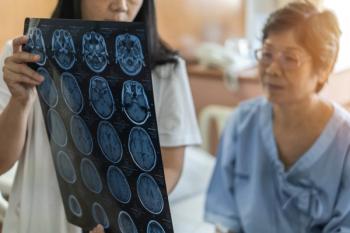
Understanding the symptom overlap between concussion/mild traumatic brain injury and other psychiatric conditions, such as PTSD and depression, can assist clinicians in differential diagnosis and providing effective treatment.


The FDA has accepted the NDA for aripiprazole 2-month, ready-to-use, long-acting injectable.

Tell us about your hobbies and activities for a chance to be featured in our After Hours video series.

What's the best way to manage headaches and psychiatric disorders?

A transdisciplinary team summarizes key points and reflections after 18 months of activity.


Long-acting injectable haloperidol decanoate may work as a treatment for Adderall-induced persistent psychosis.

Ageism: alive and well, despite a dearth of leaders who are elderly.

Risk of suicide attempt is higher among adults, women.

"Accordingly, I asked Henry what he would be doing differently—or how his life would be different—if he were not depressed, if he stopped worrying, and if he was enjoying retirement."

"It would be naïve to believe that targeting a single neurotransmitter, receptor, or circuit in the brain will cure any psychiatric or neurological disorder. However, we would be remiss if we did not try."

King Charles III took an oath of lifelong service, not unlike that of medicine.

On this September 11th—and always—we strive for unity...

As Suicide Prevention Month continues, we take a look at the mental health of a group constantly caring for others: first responders.