

New phase 1b results of VLS-01, an oral transmucosal film formulation of DMT, show ‘psychologically meaningful’ improvement for patients with treatment-resistant depression.
New phase 1b results of VLS-01, an oral transmucosal film formulation of DMT, show ‘psychologically meaningful’ improvement for patients with treatment-resistant depression.

"But after we’ve met for the time it takes to smoke eight hundred packs of cigarettes, after all the medication trials, the damaged sighs and side effects, I wonder, Would Celan still drown himself in the River Seine?"

Finding social truth in poetic metaphors.

A time for fighting or a time for peace?


What do politics, the 2024 Olympic Games, and psychiatry have in common?

Evidence indicates that children and adolescents with ADHD have a more than 4-fold increased risk of schizophrenia spectrum and other psychotic disorders in adulthood compared with the general population.
A phase 3 clinical trial participant shares her thoughts on MDMA-assisted psychotherapy and her trial experience.
SSRI and SNRI antidepressants were deemed the safest classes of antidepressants in the event of excess dosing in an assessment of 14 antidepressants prescribed in the United States on 3 safety indices.

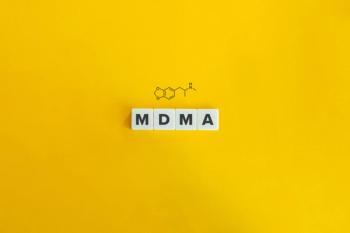
Despite the FDA's complete response letter for MDMA-assisted psychotherapy, researchers believe the data behind this PTSD treatment is what matters most.
How can you best identify and manage pediatric PTSD?

What effect does nature have on mental health?

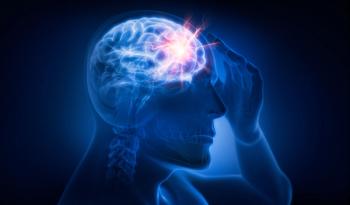
Studies report an increased risk for suicidal thoughts, suicide attempts, and even death by suicide following brain injury.

What influence do legislation and social-based decisions have on individual mental health, like in the case of drag performers?
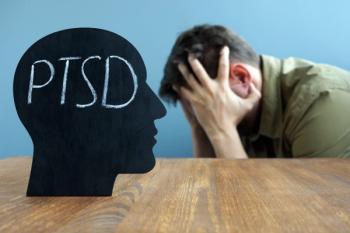
At least 1 in 2 people experience trauma at some point in their life, and a subset of those individuals will develop PTSD.

"So this is Nebraska. A Sunday afternoon; July. Driving along with your hand out squeezing the air, a meadowlark waiting on every post."

Mental health clinicians have the privilege to often be trusted with the darkest secrets of patients, but with the accompanying challenge to maintain their own well-being.
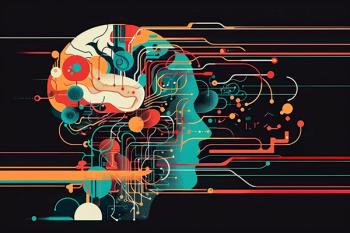
Psychiatry is such a young field attempting to improve functioning and quality of life for so many diverse and complex brain disorders that it should be no surprise that our treatment outcomes spread across the spectrum from much improved to progressive decline.

“Some are born great, some achieve greatness, and some have greatness thrust upon ‘em…”

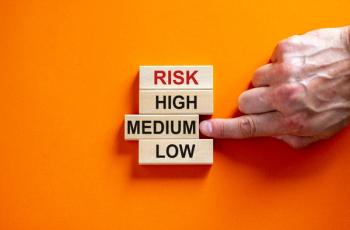
When, if ever, does a psychiatric ethical principle justify being broken?

How can clinicians provide high-achieving professionals with actionable strategies to elevate their performance in all facets of life?


Research shows that stress hormones spike with the rise in temperatures.

Outpatient civil commitment in Maryland will go into effect in July 2025. Learn more here.

Perinatal mood and anxiety disorders affect 1 in 5 of perinatal individuals who are pregnant or up to 1 year postpartum. Over the past 2 decades, the US has seen an alarming rise in these disorders.

Careful consideration of the complex interplay between cultural identities, associations with beauty, and body-focused repetitive behaviors, may improve case conceptualization and treatment outcomes.