

How can you differentiate between non-idiosyncratic prejudice and psychosis when a patient presents exhibiting discriminatory behavior? Learn more here.
How can you differentiate between non-idiosyncratic prejudice and psychosis when a patient presents exhibiting discriminatory behavior? Learn more here.
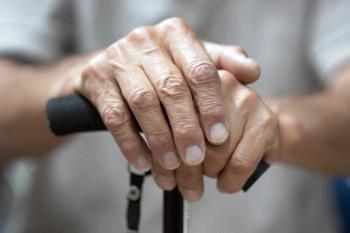
"I was talking on the phone, walking steadier, noticed the tap, and after, the tap-step, a light knock, a knock like someone’s at the door come to visit..."

What psychiatric benefits come from reunions?

The FDA has issued a complete response letter to Orexo for OX124, a high-dose naloxone nasal spray for opioid overdose reversal.

The behavioral and psychological symptoms of dementia contribute significantly to the greater rates morbidity and mortality among those with dementia.

How does trauma, like an assassination attempt, affect someone’s mental health?

The change in the weather indicates a potential public health emergency...

Whether a patient has a diagnosis of cPTSD, BPD, or some combination of both, treatment should be considered multifaceted and overlapping. Learn more in this Special Report article.
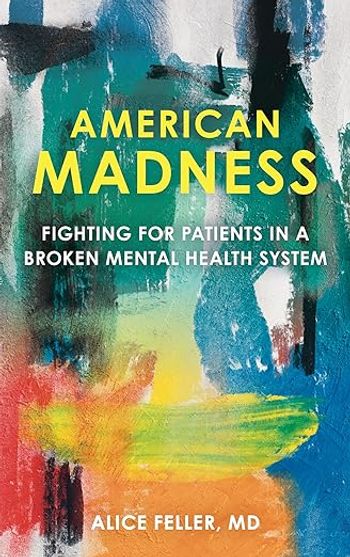
This book documents one clinician’s personal experiences with schizophrenia, insurance difficulties, and more.

Effective coordination of EHR system data between youth justice facilities and reentry programs can play a pivotal role in a youth’s successful reintegration into the community.

An understanding of evolving risk factors and pathophysiology is vital to optimal clinical management of anxiety disorders and PTSD.

What relevance does freedom have to psychiatry?

A look at the different types of mental health disorders and the role of psychodynamic psychotherapy.

For those who have experienced trauma and suffer a subsequent mental health disorder, ongoing research is identifying psychotherapies, medications, and lifestyle changes that can help.

How are current events similar to that of the 1960s?

This randomized, placebo-controlled, phase 3 clinical trial showed that a 14-day treatment course of oral zuranolone 50 mg/day in MDD led to significantly greater improvements in depressive symptoms when compared with placebo.

Learn more about one psychiatrist’s personal experiential learning process with ketamine.
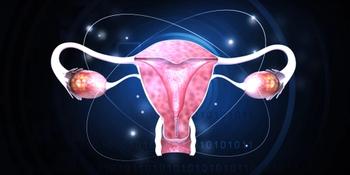
"...the beauty still intoxicating, the spirit of the research like a child swimming for the first time in the sea, awed..."

Is managed care responsible for clinician burnout?

What is new in research on alcohol use disorder?

How can you tackle macro and micro stresses in the health care profession?

"By now I’ve lost track of time with this boy who reminds me of myself when I imagined becoming a doctor..."

Need summer reading recommendations? We've got you covered.
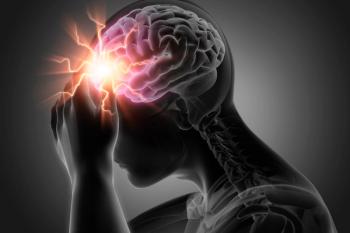
Research shows an increased risk for suicidal thoughts, suicide attempts, and even death by suicide following brain injury.

To expertly utilize polypharmacy, it is imperative that clinicians stay abreast of new literature, check for drug-drug interactions, and be aware of emerging trends in drug use.


The weight-adjusted waist index was a stronger predictor of depressive symptoms than either body mass index or waist circumference.

Highland Park is an excellent example of community recovery from mass tragedies.

The 2024 American Society of Clinical Psychopharmacology Annual Meeting brought together researchers and clinicians to engage in discussion, education, and dissemination of research findings and new methodologies.

Should elected officials have mandated medical evaluations?