

How does climate change affect mental health in individuals and communities?
How does climate change affect mental health in individuals and communities?

Judith Joseph, MD, MBA, shares her journey of balancing clinical work with social media mental health advocacy.

What is lifestyle psychiatry, and how can it benefit our patients?

Experts present the results of a retrospective analysis of patients who received IV ketamine for TRD over a timeframe of up to 2 years.

Travel: how can it heal you?

An expert discusses this comorbidity, plus the effects of semaglutide and other GLP-1 agonists on this patient population.

The FDA has approved its supplemental New Drug Application for Wakix tablets for the treatment of excessive daytime sleepiness in pediatric patients aged 6 years and older with narcolepsy.

Additionally, 27% of US adults have reported they have a disability across a spectrum of areas.

Do we need a potential classification of social psychoexemplaries?

Here are highlights from the week in Psychiatric Times.
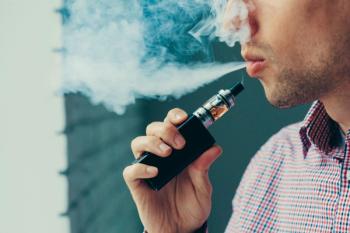
The FDA has authorized the marketing of 4 menthol-flavored e-cigarette products in the United States through the premarket tobacco product application pathway.

What role does countertransference play in physician-assisted suicide? Learn more here.

Recent research found approximately 60 documented cases of suicidal ideation and 7 suicide attempts associated with semaglutide use in patients.

"Of all the questions you might want to ask about angels, the only one you ever hear is how many can dance on the head of a pin..."

When is forgiveness not enough?

Children are subject to the world’s largest biosocial experiment.

The outcomes of this study are expected to inform the development of the upcoming PATHFINDER-52 phase 2b clinical trial.
In this CME article, read more about best practices for utilizing clozapine plasma levels and the clozapine/norclozapine ratio to monitor clozapine therapy.

ALTO-101 has previously been shown to positively impact cognition in schizophrenia.

Cannabis withdrawal syndrome impacts approximately half of those who use it regularly. How can you help patients cease cannabis use?

Yesterday, we celebrated Juneteenth.

Are we ready for summer?

How can artificial intelligence enhance psychiatry certification, and how do we implement it?
Review tapering challenges and strategies for benzodiazepines in this Special Report article.

Check out the latest results from the phase 3 CONNEX-X study.

Lumateperone 42 mg achieved statistically significant and clinically meaningful results in both the primary and the key secondary endpoints, according to new study.

Validating some patients could lead to both clinician and patient harm.

How can we mitigate climate issues without harming working Americans?

Laughter: the best medicine?

In this Special Report, get the latest from the American Psychiatric Association Annual Meeting!