
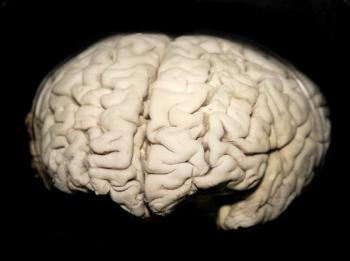
Several misconceptions exist about the study of sex and gender in the AD field. The initial focus of this article is on whether women are at greater risk.
Several misconceptions exist about the study of sex and gender in the AD field. The initial focus of this article is on whether women are at greater risk.
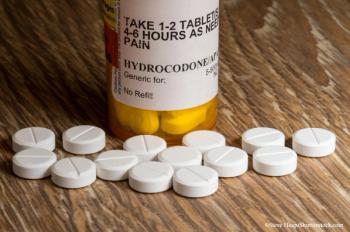
Dependence on alcohol and tobacco or illicit drugs is generally higher in men, but the gender gap is narrowing at an alarming rate, especially in adolescents.
Sleep difficulties and sleep disorders are the most common comorbidities reported in individuals with ADHD. Careful assessment will lead to helpful interventions.

ADHD can present with symptoms such as irritability, mood lability, low frustration tolerance and low self-esteem, making it easily confused with mood disorders and personality disorders.
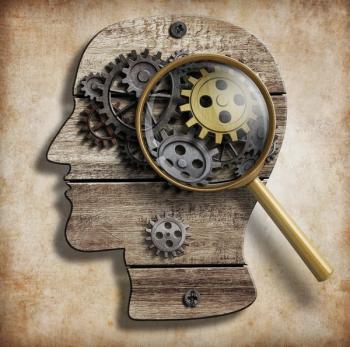
These three recent trends in ADHD neuroimaging may lead to objective tools for diagnosis as well as stimulate discovery of novel therapeutics.

This collection brings together topics on trauma and stress that are neglected in the current literature.
As we shift from treating disease and toward supporting health, medication is merely one possible intervention in a spectrum of possible ones.
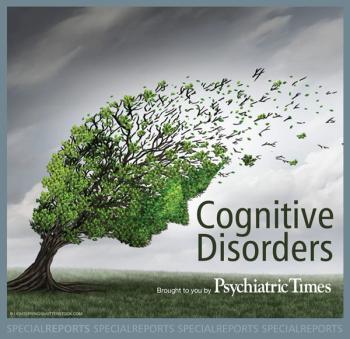
Cognitive problems have historically been the last to be recognized and treated in the clinical setting.
In this two-part Special Report, the authors provide evidence-based information to guide our assessment, diagnosis, and treatment of ADHD across the lifespan.

This article examines the contributory role of diet on ADHD symptoms, including how the elimination of certain foods and additives, as well as the consumption of other foods or nutrients, may impact symptoms.

Despite the proven efficacy and safety of medications for ADHD, abuse is a growing concern.

Mental health stigma has been found to be a significant factor in African-American treatment engagement. For this reason, taking steps to understand cultural considerations is key.
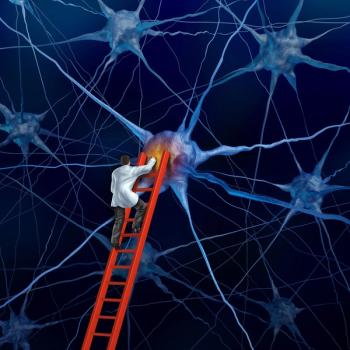
Given the severe burden, grave suffering, and lack of remission with standard therapeutics in many patients with PTSD, preliminary data on the role of ECT seems promising.
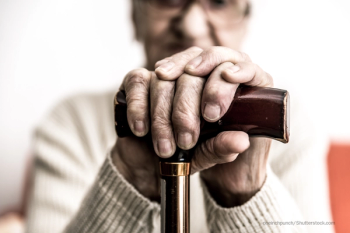
Trauma may be a hidden variable in the lives of older adults, impacting them in ways they may not recognize or be willing to admit.

This Special Report on stress and trauma brings together five topics that are neglected in the current literature.
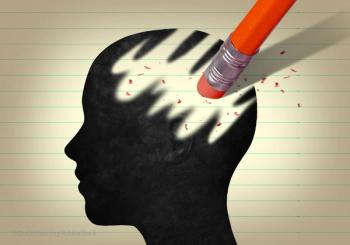
ART can be used in conjunction with other trauma-focused therapies. This article discusses the clinical utility of ART, as well as the research behind it.

Although efficacious treatments for PTSD have been established, many individuals remain symptomatic after treatment or never seek empirically supported therapies. This is where complementary and alternative medicine comes in.
This special collection provides new insights on major aspects of depression: psychopharmacology, therapeutic interventions, major depressive episodes, biomarkers, and pseudobulbar affect.

Recent findings suggest that the magnitude of efficacy for most antidepressants compared with placebo may be more modest than previously thought.
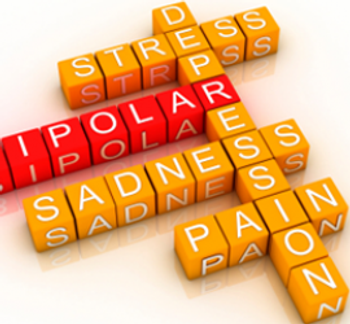
Since the choice of treatments for a primary bipolar I disorder major depressive episode versus a unipolar major depressive episode are significantly different, this information will help guide clinicians in how to proceed.

The most challenging aspect of pseudobulbar affect is differentiating it from depression. Episodes of uncontrollable, sudden, and even inappropriate emotions may point to neurologic or psychiatric conditions.
Despite the scope and magnitude of rising rates of depression and suicide, the field of psychiatry may be witnessing a turning point.

In considering how best to disseminate the many psychotherapeutic techniques to practicing clinicians, the author reviews findings and changes to guidelines on depression treatments.

The use of biomarkers to assist with optimizing treatment decisions for depression has been receiving increasing attention. Here is an overview of the challenges and barriers that must be overcome before therapeutic markers can effectively be utilized in practice.
The immune-brain loop: a world where more and more clinicians boldly go-and thrive-among new discoveries.

Findings suggest that telemental health is not only effective for diagnosis and assessment across many populations and disorders in many settings, but it appears to be comparable to face-to-face care.

The authors argue that that stating that peer support “lacks evidence” is simply not accurate.

Here's where psychiatry extends beyond a medical setting into collaborative, innovative, and integrated models of care..
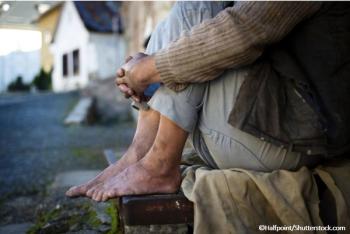
What factors predict if a homeless person will be able to engage in supported housing to attain and retain an apartment? What supportive services facilitate permanent exits from homelessness?

A multi-level, prevention-oriented approach that addresses poverty.