








In this CME, check out best practices for screening and treating adolescents and young adults with substance use issues.
In this CME, check out best practices for screening and treating adolescents and young adults with substance use issues.

What is the connection?

Petros Levounis, MD, MA, reflects on his upcoming presidency for the American Psychiatric Association.

A look at the theme for the 2023 American Psychiatric Association Annual Meeting.

"It is essential to have an aggressive path forward to increase public awareness of mental health and illness, education on early intervention and treatment access, and continued destigmatization of mental illness."

Ketamine is relatively new to the average American. What can you share with them as a mental health clinician?

From new FDA treatment approvals to choosing the right levels of care in crisis stabilization units, here are highlights from the week in Psychiatric Times.

Here’s how having a clear understanding of the services different crisis stabilization units provide can help communities serve the unique needs of each individual in crisis without unnecessarily restrictive or intensive levels of care.
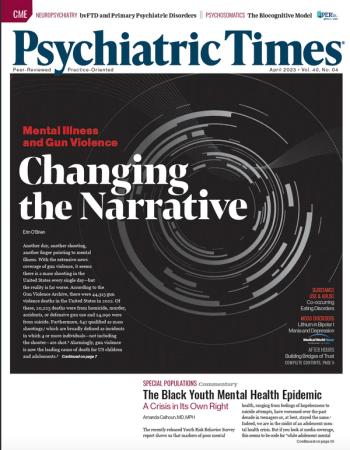
The experts weighed in on a wide variety of psychiatric issues for the April 2023 issue of Psychiatric Times.

From to co-occurring substance use and eating disorders to treatment options for OCD, here are highlights from the week in Psychiatric Times.
The new criteria have been updated to increase flexibility and provide greater clarity around standards for behavioral health clinicians.

What does existing research say about the connection between substance use disorders and eating disorders?
From over-the-counter naloxone to the true connection between gun violence and mental illness, here are highlights from the week in Psychiatric Times.

Psychiatric Times’ Substance Use Section Editor weighs in on the FDA approval of the first naloxone product for nonprescription use.
From gut microbiota and SSRIs in MDD to nonpharmacological interventions following TBI, here are highlights from the week in Psychiatric Times.

The AMA, substance abuse experts share their thoughts on this decision and what it means for psychiatric clinicians and their patients.
From collaborative care for individuals with schizophrenia and COVID-19 to strategies for building patient rapport, here are highlights from the week in Psychiatric Times.

What are the psychiatric and non-psychiatric correlates of tobacco smoking status in bipolar disorders? Researchers investigated these associations in a large patient cohort.

Do ADHD symptoms impact smoking cessation outcomes? Researchers performed a randomized controlled trial of varenicline for tobacco cessation in adolescents and young adults.

Caffeine use is higher in smokers and in adults with serious mental illness. How does this impact patients with bipolar disorder and schizophrenia?

One doctor’s experience with patient suicide.

Patients with serious mental illness and substance use disorders are expected to be particularly affected by these changes.
From the impact of patients’ overdose deaths on physicians to addressing America’s mental health crisis, here are highlights from the week in Psychiatric Times.

A patient loss does not undo or discard the multitude of meaningful life changing and life preserving work done.

Remember to keep the cart behind the horse while practicing medicine.