











With greater expertise in user experiences, psychiatrists can position themselves to more strongly guide technology companies in building and implementing better apps.
With greater expertise in user experiences, psychiatrists can position themselves to more strongly guide technology companies in building and implementing better apps.
Handgrip is a simple proxy for physical strength and a clinically useful measure of muscular function. What about cognitive function in patients with schizophrenia? A large study looked into just that.

Might a lower prevalence suggest that it is less a problem?
Up to 50% of cases of cannabis-induced psychosis covert to schizophrenia. A new study provides striking evidence for abuse of other substances and schizophrenia onset.
Is there a link between childhood and parental asthma and risk of schizophrenia?

Are they hallucinations or distortions?

Here's a debate about a statistic the NIMH has posted on its website that, says one critic, significantly underestimates the number of adults with schizophrenia in the US and potentially affects their care. The Director of the NIMH responds.

The last major study of the prevalence of schizophrenia in the US was carried out in the early 1980s. The results from that study have been used for 3 decades.

A response from the NIMH director.
Anxiety and depression are associated with increased complications after total joint arthroplasty. Is the same true of bipolar and schizophrenic disorders?

An overview of the first study to demonstrate benefits of sodium benzoate--an NMDA enhancer--in patients with clozapine-resistant schizophrenia.

Functional connectivity is a “rapidly developing scientific story.” And for psychiatrists, it is a story worth following.
New research looks at the effects of CBD on positive and negative psychotic symptoms, cognitive performance, level of functioning, and the treating psychiatrist’s overall clinical impression.
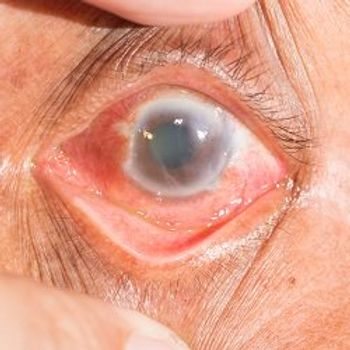
Clinicians should be aware of recent research that highlights an important, although rare, adverse effect of this medication used to treat glaucoma.

Imagination and psychosis are different categories of experience, and should not be confused or conflated.
Is oxidative stress a therapeutic target in schizophrenia?

What the nose knows in patients with schizophrenia.

What does the evidence tell us about digital sensors for treatment adherence in patients with schizophrenia and other psychiatric disorders?

How to decrease recidivism for individuals with serious mental illnesses who are released from jails or prisons or discharged from hospitals? Here are several effective mechanisms.
What are the strongest predictors of suicidality in schizophrenia?

New evidence links vitamin D status with cognition in patients with psychosis.
This article describes challenges for psychiatrists striving to ensure informed consent for, and for patients who may lack full appreciation of the risks and benefits of, neurostimulation.

Which genes have recently been associated with TD? That question and more in this quiz.

New evidence bolsters the reputation of clozapine as the “gold-standard” antipsychotic for patients with treatment-resistant schizophrenia.
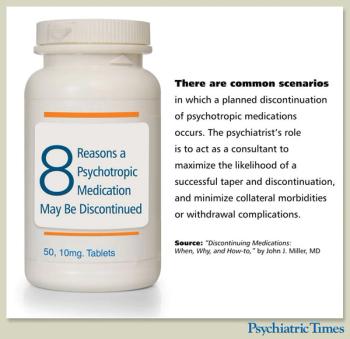
Tips for having a balanced and comprehensive risk-to-benefit discussion with competent patients who want to stop their medications.