

Experts discuss the rationale and history of L-methylfolate use in patients, and then shares three cases that collectively suggest L-methylfolate may contribute to agitation and mania.
Experts discuss the rationale and history of L-methylfolate use in patients, and then shares three cases that collectively suggest L-methylfolate may contribute to agitation and mania.

What are the benefits of using LAI antipsychotics? What are the major obstacles to adherence? Those questions and more in this podcast.

Psychiatric Times wants to know how the pandemic is impacting your practice and your lives.

Psychiatrists must have a basic understanding of the pathophysiology of coronaviruses in order to be able to accurately explain and discuss those issues with their patients, especially as mental health ramifications are expected.

Psychiatrists are uniquely situated to help both their patients and the greater community understand the potential impact of the virus and help patients, families, and society deal with this latest threat.

When parents take steps to end their marriages, the default arrangement for children should be shared parenting. Psychiatrists, psychologists, social workers, lawyers, and judges can help parents avoid irreparable harm.

The World Health Organization has officially declared COVID-19 a pandemic, the first precipitated by the coronavirus.

“In most respects, my career as a psychiatrist working in community mental health has been ordinary. What is most surprising to me is that, I have come to define myself as a critical psychiatrist.”

This article describes common misconceptions about treatment of psychiatric illness during pregnancy and advocates for a logical and thoughtful approach to designing a treatment plan.

Based on recent data, it is looking more and more like the answer may be that social media is not particularly beneficial for most of us.

OCD symptoms can be quite difficult to recognize. Not understanding what is happening, patients tend to be ashamed and suffer in silence, often resulting in a period of 8 to 10 years of untreated illness and long-term negative outcomes.

There are people who insist the one-hour change causes havoc on their systems and schedules. Is there any scientific foundation to this claim? Let us examine some common questions, concerns, and myths.

Recently, the use of spectral-domain optical coherence tomography has contributed to our understanding of retinal abnormalities in schizophrenia.

Information on minimum and maximum effective doses has great clinical utility, and new findings provide guidance.

How have the pharmaceutical industry and academic guild interests shaped the evolution of psychiatry? Lisa Cosgrove, PhD, has something to say about it.
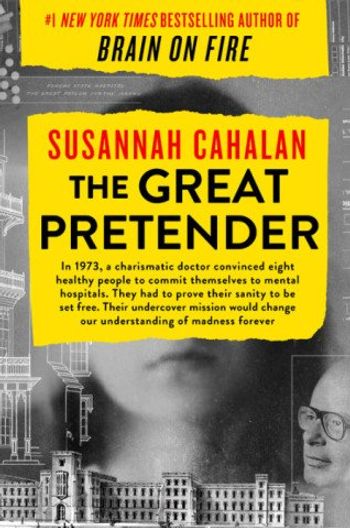
Pseudopatients and their discontents: an historical perspective.
When we meet a new patient who presents with "classic" symptoms, there are challenges described in this brief video.

What can psychiatrists in the US do to better prepare themselves and their patients for potential natural disasters? A research psychiatrist answers that question and more in this Psychiatric Times exclusive.

After receiving complaints, the FDA’s Office of Prescription Drug Promotion rebukes the pharmaceutical company for misleading advertising.

Chronotherapy presents a unique tool to add to the armamentarium of available modalities for management of non-seasonal depression. Clinicians should be familiar with its application and be able to implement it in recalcitrant sufferers.
The FDA accepts a New Drug Application for novel antidepressant.

This review highlights an important diagnostic and therapeutic task: the importance of differentiating true bipolar disorder/obsessive-compulsive disorder comorbidity from BD with secondary OCD.

Although the current generation of antidepressants extends back to the late 1980s, efforts to describe the dose-response relationship for treatment of major depressive disorder continue. More in this research update.

High traditional masculinity (HTM) men are more likely to die by suicide than non-HTM men, but they are less likely to report suicide ideation.

Depression, suicidal ideation, self-harming behaviors, and anxiety, as well as lower reaction time and cognitive decline, were found in patients with celiac disease, according to a recent study

Despite heterogeneity in symptoms, there is growing realization that common neurobiological processes may contribute to OCD vulnerability and its persistence.

The articles in this Special Report focus on the interplay between trauma and its consequences, including violent behaviors, substance use disorders, and stroke. Taken together, the articles may contribute to a better understanding of-and treatment development for-patients exposed to trauma.

Ultimately, the decision about involuntary treatment is about risk, not predictable outcomes. In many cases, however, these decisions are much more difficult and, until our crystal balls arrive, our best efforts may still fall short.

Psychotic violence is associated with primary psychotic disorders such as schizophrenia, schizoaffective disorder, and bipolar disorder. While it may be that psychotic violence is the least common type of violence in inpatient environments, it is also the most treatable.

The goals of psychotherapy education in medical school should be based on these seven ideals.