




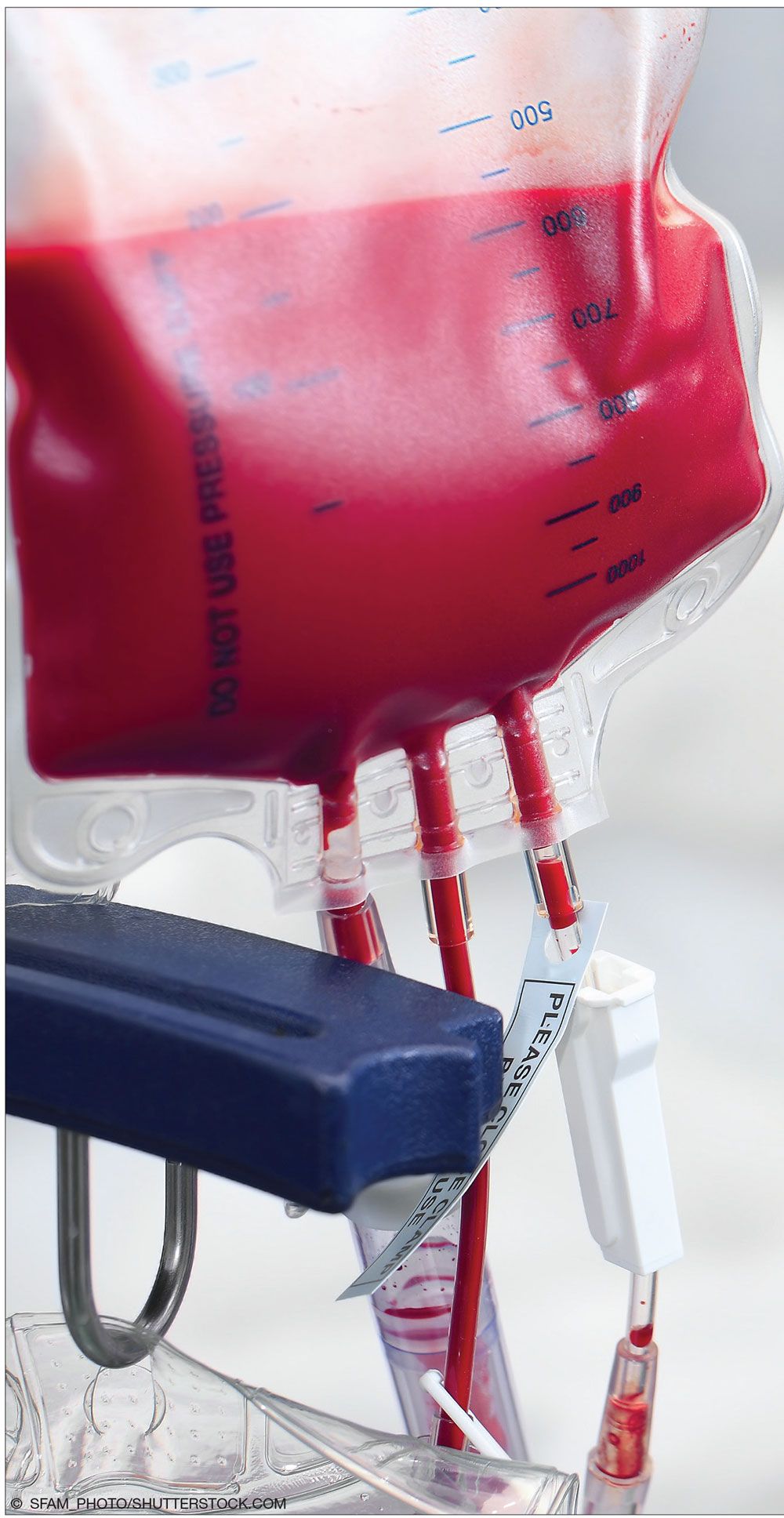







Three reasons clinicians skip over bupropion.
Three reasons clinicians skip over bupropion.

For patients suffering the chronic, debilitating symptoms of schizophrenia, antipsychotic medication is a critical component of treatment-and may literally be life-saving.
Three new studies focus on risk factors for the development of depressive disorders.

Here: Insights regarding both the potential positive and negative effects of omega-3 fatty acids on depressive symptoms.
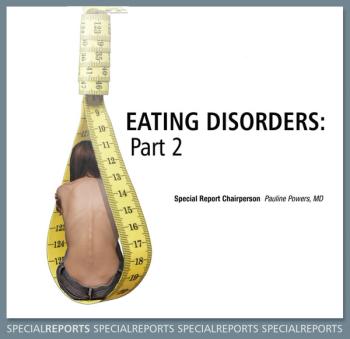
A special collection of current clinical work and issues surrounding eating disorders-specifically comorbidity, prevalence in men, and mortality.
A 20-year-old college sophomore with “depression and anxiety,” who is exercising ferociously and who is literally dying to lose more weight sets the stage.

How generalizable are the results of depression treatment studies? Which factors predict readmission and length of stay in inpatients with mood disorders?

In this study, about 70% of patients who completed suicide had recently sought treatment. Will you recognize those at risk?

Is creativity augmented or inhibited by mental illness? Insights from 4 case studies of troubled yet brilliant minds.

Depression can be accompanied by cognitive symptoms, but the nature of the relationship between these symptom categories is multifaceted.

Therapeutic techniques can enhance psychological resilience and may help patients improve their quality of life. Here's how.
When doctor and patient disagree about care at the end of life: one of six issues in the psychiatric news.

In recent years, health care insurance companies (and the businesses that use them) have begun to invest in mindfulness research and programs What has happened to explain this development?
A brief psychosocial tool that offers compassionate, tailored care using existential neuroscience, a new perspective for conducting bedside psychotherapy.

Ethics case quiz: A patient's inconsistent decisions regarding treatment are cause for concern. What to do?

How radically do we want to alter the physician’s traditional ethical obligations to the most vulnerable of patients?

Improvement in depressive symptoms appears to have a salutary effect on sexual function.

An introduction to our 2-part Special Report on eating disorders, including neurobiology of eating disorders, nutritional needs of patients, clinical response to psychosis, and more.
Check out what's new in schizophrenia research, personality disorders, patient education, integrative psychiatry, addiction, and more.
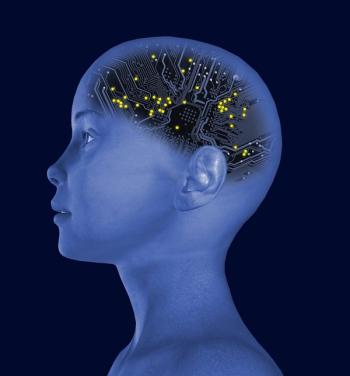
While most clinicians know about Huntington disease, they may not be aware of its devastating effect in cognition and behavior during onset in childhood and adolescence.
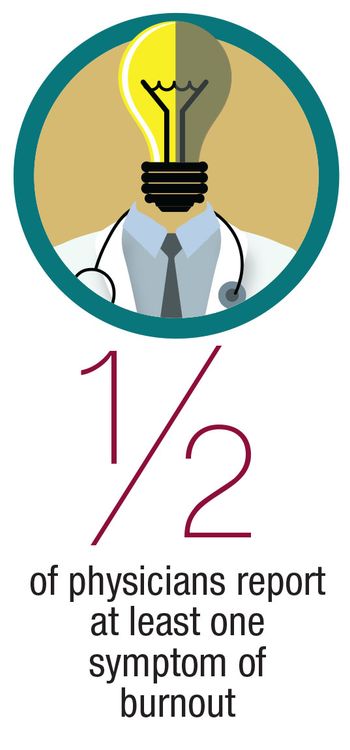
Drained physicians who don't practice self care may harm themselves and their patients. Here's one way to take a breather.
After a campus suicide, who is at increased risk of suicide in the near future? The answer might surprise you (or not).

Both the literature and clinical experience point to considerable risk in discontinuing antipsychotic treatment, for many chronically psychotic patients. Here's why.
Editors' choices of noteworthy psychiatry stories from around the Web: genetics of schizophrenia, Alzheimer disease, the perils of mixing prescription and over-the-counter medications, new guidelines for treating pain with opioids, and other topics.
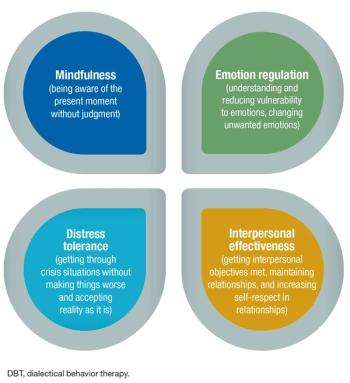
The latest research on DBT for treating psychiatric disorders, such as ADHD, bipolar disorder, eating disorders, and depression.