

Nearly 1 in 2 women compare themselves to Barbie.
Nearly 1 in 2 women compare themselves to Barbie.

How can medical professionals declare their independence?

The experts weighed in on a wide variety of psychiatric issues for the June 2023 issue of Psychiatric Times.

From an examination of the fentanyl epidemic to the connection between ADHD medication and height, here are highlights from the week in Psychiatric Times.

A psychiatrist finds the recent Supreme Court decision unbecoming...
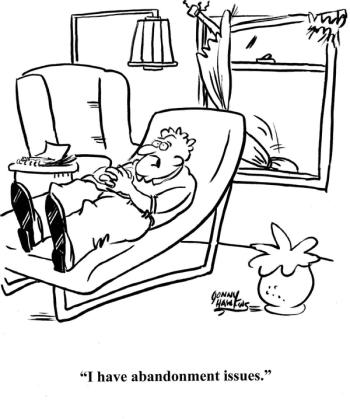
Can't imagine why!

A psychiatrist mourns as he reflects on the Supreme Court decision....

Doctor, how will this medication affect my child’s growth? Researchers performed a register-based study of ADHD, ADHD medication, and height.

In this CME, learn more about implementing formal or informal collaboration with the primary care clinicians with whom you share care of your child patients.

Where is the state of public mental health?

Test your knowledge on the latest research in sleep issues and schizophrenia.

How can we turn the tide of the fentanyl epidemic?

Interventions that rely solely on change lack balance. This is especially true when working with minoritized individuals who have very real and justified pain stemming from systemic problems.

How can we unravel the complexities of ethical evaluation in a society without objective moral standards?

Does AI imagine itself as a replacement for psychiatry?

84% of 500 TikToks offered inaccurate or potentially damaging medical advice. How can you address TikTok as a mental health professional?

“The more one is able to leave one’s cultural home, the more easily is one able to judge it…”

Medical board discipline involves more than a hefty penalty or financial settlement. Here's what you need to know.

Aphasia is an impairment of language that frequently occurs following neurological injury, particularly stroke. Understanding the various types of aphasia, treatment modalities, and the importance of family education and training can empower clinicians in directing treatment.

Here’s everything you need to know to about how to integrate apps into your clinical practice.

To all the lives lost at sea…

From research updates on at-home ketamine use to the effects of comorbid depression and anxiety on insomnia treatment, here are highlights from the week in Psychiatric Times.
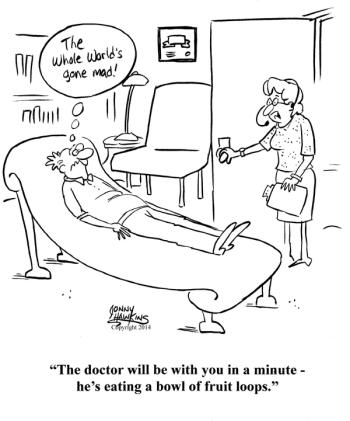
Fruit Loops?

Fatigue: a very common physical complaint that often accompanies depressive disorders.

A psychiatrist reflects on the 2 recent tragedies at sea...

The submersible meant to explore Titanic wreckage suffered a “catastrophic implosion.”

New research finds depressive and anxiety symptoms impact effectiveness of cognitive behavioral therapy for insomnia.

"I sit with my half-filled glass and a life we knew we were choosing..."

What can you do to ensure your family is financially secure while still spending some of your hard-earned money?

New gun laws in Serbia were created after a number of mass shootings.