

Looking to reduce youth initiation into tobacco products, the FDA takes steps against menthol cigarettes and flavored cigars.
Looking to reduce youth initiation into tobacco products, the FDA takes steps against menthol cigarettes and flavored cigars.

Sedation may not always be desirable, but it is difficult to avoid in psychiatry. Some of the most sedating medications are discussed.
This year’s theme is crucial to the role science plays in dealing with structural racism, a worldwide pandemic, and the inequities in terms of access to care for so many people.

Respect for Indigenous peoples and their knowledge is crucial to the resolution of climate change.

Antipsychotic-induced weight gain evolves over time, leads to chronic complications, and is very difficult to reverse. Pharmacologic interventions used to tackle weight gain are modestly effective and worth considering in certain cases.

Whether an effect is adverse or desired can be a function of the clinical situation.

New and noteworthy sessions fill the program at the American Psychiatric Association Annual Meeting, which enters its second year as a virtual session.

There is evidence for overlapping risk factors and symptomatology between ADHD and psychotic disorders. New research investigates the association between ADHD during childhood and the subsequent risk of developing a psychotic disorder.
The FDA cleared the way to use this deep transcranial magnetic stimulation system, which may be able to help treat depression in less than 5 minutes.

Powerful psychic defenses are keeping humanity from facing a number of interconnected crises. How can these psychic defenses be overcome?

Over the last year, we have compiled numerous videos about all aspects of psychiatry, medicine, and society. Check out a sampling here.

A recent study evaluated the everyday efficacy of this novel treatment for major depressive disorder.

Psychiatrists who want to understand white supremacy should watch this series…
Ronald W Pies, MD, considers the evidence from pathology textbooks—and answers the critics.

We need Earth Day every day.

A lawyer discusses how the legal system treats (and mistreats) those with mental illnesses.
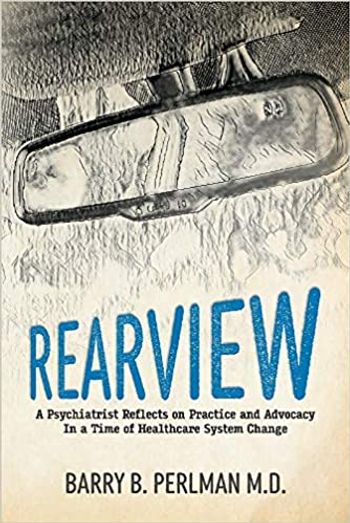
A psychiatrist shares the pearls of his life, clinical and otherwise.

Justice in the form of humanity.

The Racism & Psychiatry collection highlights the ways communities of color have been uniquely impacted by climate disruption and what psychiatrists can do about it.

“As soon as Lexi reaches home, she abruptly sinks into depression and curls up in a fetal position, almost catatonic in her bed.”

Ancient religious texts from India explain the deep connections between human beings and their environment.

A new risperidone capsule for the treatment of schizophrenia sees positive phase 2 study results.

Australia’s cascading environmental crises are all likely effects of climate change. How can psychiatrists and other mental health stakeholders respond?
All it takes is one tree, one connection…

Pain as a cultural construct considers conscious and unconscious biases, as well as methods for assessing and managing pain in all patient populations, including those with mental health challenges.

Although college drinking develops into an addiction, overconsumption and especially binge drinking patterns are often preludes to alcohol use disorder, with approximately 1 in 10 students meeting criteria for AUD.

Patients with depression may have altered cortical processing of visual contrast during a major depressive episode.
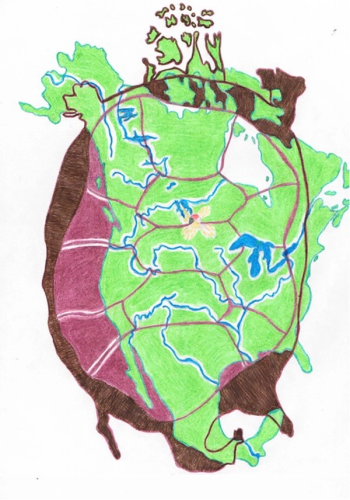
Ancient creation stories can still tell us something about our world.

Earth is a sacred concept in Chinese tradition. How can we continue respecting it today?

It is not just a day.