

Earn CME Credit by learning more about multiple sclerosis and how it affects patients.
Earn CME Credit by learning more about multiple sclerosis and how it affects patients.

The authors explore the impact of structural racism on psychiatry trainees and the patients they care for (and what can be done about it).

Despite alcohol-related fatalities soaring to the No. 1 cause of death in middle-aged adults, this medication is often overlooked.

Are people with high "neuroticism-depression" likely to drink more than the average person when stressed? We may be getting closer to the answer.
Three new trials suggest a novel antidepressant hides inside the blue-skinned fruit.

Series Editor, Frank A. Clark, MD, introduces the Black History Month series by talking about his greatest mentor when so few were available.

Understanding and developing treatments for the cardiovascular system and how it relates to psychosocial distress and the nervous system are keys to the future of psychiatry.
Is it possible to use cognitive testing, which is brief, easily performed, reliable, and noninvasive, to identify individuals at risk for psychosis?

A rare genetic disorder may have unrecognized psychological consequences.

More than half of physicians believe that seeking psychiatric care would jeopardize their employment. What can be done?
This CME describes current strategies and recent advances in treatment.

Which traditions will keep us afloat during the pandemic, and which ones need to go?
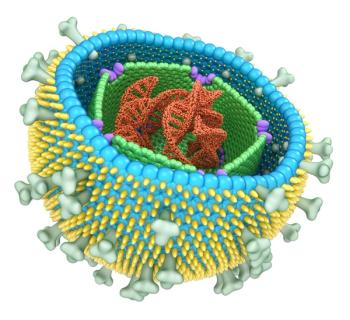
Researchers explored reactivity to a panel of EBV proteins in patients with schizophrenia, thought to be associated with cognitive impairment.

How do men versus women with schizophrenia fare clinically, functionally, and neuropsychologically over the long term?

As physicians first, psychiatrists must consider the big picture, without reflexive and thoughtless prescriptions for psychotropics—even if many, including medical professionals, assume that is all we do.

Still in its infancy, the field of technology in psychiatry is rapidly growing and holding much promise in diagnosis, symptom tracking, behaviorial reinforcement, and a host of other useful tools.

The shortage of mental health care providers is a crisis, but psychiatrists have a potentially powerful ally.

If we had 1 extra minute with our patients, what question would we ask?

Unable to spend adequate time with patients, residents are not learning to function as doctors, but merely as technicians for the human body.

Are there differences in the clinical course of bipolar I and bipolar II disorder with and without comorbid alcohol use disorder?
What are the differences between disorders like OCD and pandemic anxiety?

Over the last 9 months, we have seen heroism, innovation, and precise science, performed under unbelievable pressure. The result is no short of miraculous.
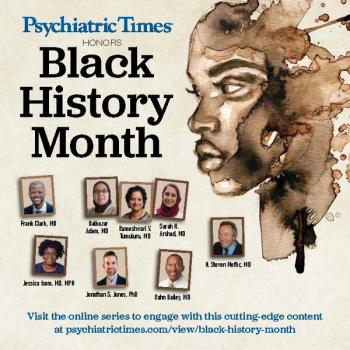
During the month of February, we will publish important stories commemorating Black History Month.

25 years have gone and past, but is reconnecting with a distant loved one still possible?

Imagine working with a young patient showing signs of psychosis for the past 6 weeks. Your initial assessment appears to rule out medical- or substance-induced etiologies, yet symptoms persist. What's a psychiatrist to do?

When concern for a patient is not so severe that a clinician feels compelled to call the police, there are options.

As a discipline, emergency psychiatry has widened its role, especially following the enormous mental health fallout from the pandemic and the shift of police and first-responder interventions.

Although clinicians and patients may wish otherwise, the comorbidity of ADHD and bipolar disorder needs to be considered.

Selfhood: a complex and continuously evolving identity that is anchored in the patient's history and dependent on language and memory. But there is so much more.

When meeting patients online, mental-health practitioners must confront a host of issues.