

Verbal de-escalation involves validating a patient’s experience, establishing a collaborative relationship, and finding solutions to ensure the patient’s needs are met. More in this quiz.
Verbal de-escalation involves validating a patient’s experience, establishing a collaborative relationship, and finding solutions to ensure the patient’s needs are met. More in this quiz.
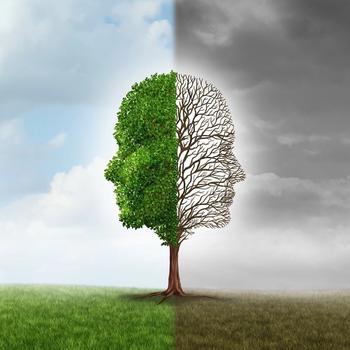
The evidence is clear: bipolar disorder is frequently both underdiagnosed and overdiagnosed.

From drug company mergers to government watchdogs, important trends are emerging.
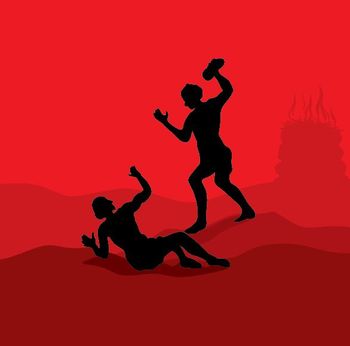
A close analysis of the psychodynamics of Cain’s crime shows us something important about his mentality-not to be confused with mental illness.

Most drugs, after journeying through the various metabolic systems throughout the body, find their exit.
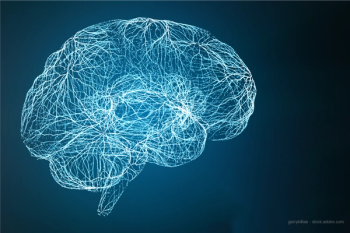
Research uncovers the mechanism underlying the development of psychotic symptoms in schizophrenia and bipolar disorder. More in this video with Viviane Labrie, PhD, lead author of a recent study.

This CME article provides an understanding of the effects on the CNS that lead to HIV-associated neurocognitive disorders (HAND).

Reframing is being tested as a potentially viable way to address intractable conflict where sacred values are at issue. In memory of Johan Verhulst, MD.
In this video segment, Dr. Peter Buckley addresses 2 questions: • What factors do you consider when you offer depot medications to a patient with schizophrenia? • What can be done to encourage the use of depot medications?

Nature provides both physical and psychological benefits. How does this healing through exposure to nature occur?
Dysdiadochokinesia was a hard word to remember-and an impossible one to forget.

We humans need to believe. We tend to feel better, more grounded, and safer.
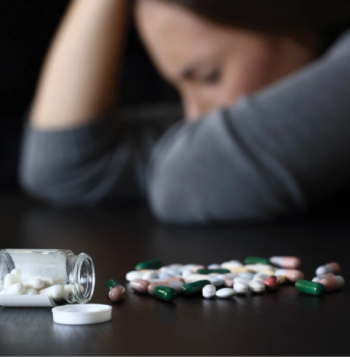
The association between psychiatric disorders, most notably depression and anxiety, and pain is well established. However, mental health professionals, and especially psychiatrists, are still often excluded from treating patients with pain.

Hear the latest insights about a popular sweetener that has been linked to mania.

Cannabis is a widely used drug of abuse in adolescents. With legalization of marijuana, adolescent cannabis use may increase substantially.

My musician patient in a fetal curl, Tchaikovsky’s “Meditation” plays an endless loop against this climate controlled conspiracy of monitors and machines...
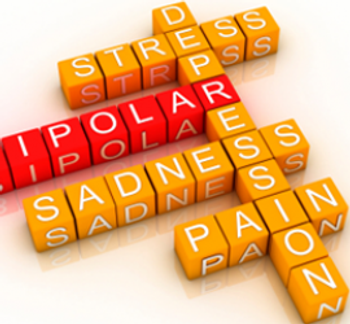
Current estimates are that 4% to 5% of the population is at risk for a disorder on the bipolar spectrum. Among the patients of that spectrum are those with a disturbance of temperament in the direction of hypomania.

As research continues to point to a connection between the immune system and schizophrenia, a study of innate immunity in patients with first episode psychosis and schizophrenia provides further insights into the potential mechanisms of this link.

The world is a better place without a "tyrant of the day" taking over and cracking down with rigid rules. This and other life lessons after 40 years in psychiatry.

With internet and video gaming here to stay, game designers will continue to prioritize habitual gaming over the health of players, and the burden of pathological gaming will fall on users and their families.

TMS for TRS? Researchers analyzed data to identify all randomized-controlled trials of rTMS versus sham treatment in patients with hard-to-treat forms of schizophrenia. Here’s what they found.

Psychiatrist Boris Vatel, MD and others respond to “Debunking the Two Chemical Imbalance Myths (Again),” by Ronald W. Pies, MD. Check out this lively exchange, with an addition from other readers.

Ask a patient with depression how long it takes for them to feel fully awake in the morning and you are liable to get some revealing answers.

It is a rare feat for a conceptual book on psychiatry to generate as much acclaim, influence, longevity, and readership within the profession as has The Perspectives of Psychiatry. Paul R. McHugh, MD is featured in this Conversations series.

Negative symptoms, subsyndromal depressive symptoms, and functional impairment often persist in patients with first-episode schizophrenia.

Recent findings may relieve some of the guilt that accompanies the consumption of chocolate, particularly during depressive episodes.

The express goal of this guidebook: “to bring together comprehensive data about murder within the family, as well as real-life stories of this tragedy.”
What happens when your patient uses cannabinoid compounds for pain, especially if there are currently taking opioids? Just in time for Pain Awareness Month, the results from these new studies provide insights and guidance.
One of the most perplexing challenges for psychiatrists who interact with the workplace is the competing forces for and against mental health.
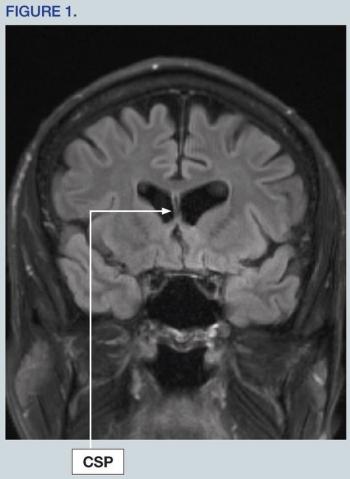
The collective awareness of this devastating neurodegenerative disease will likely result in intensifying efforts to improve our understanding of disease pathology as well as exploring potentially a promising therapeutic regimen.