
Our ability to speak freely regardless of role, training, or experience is one element that allows psychiatrists to discuss their fears and limits as clinicians.
Our ability to speak freely regardless of role, training, or experience is one element that allows psychiatrists to discuss their fears and limits as clinicians.

Climate is both a public health and a psychological issue and these aspects are intertwined. In this article, particular clinical situations in working with climate anxiety are discussed.

This is the first article in a series focused on reintroducing the arts into psychiatry.

Some thoughts on the pathogenesis and persistence of prevalence of schizophrenia and bipolar affective disorder in view of current discoveries.

"The experience of learning to know another’s inner self is one of the most difficult, but most gratifying parts of our clinical work," writes Allan Tasman, MD.

Professionals in our fields are even more reluctant than the general public to seek mental health care because of stigma and negative career consequences. Here are 10 ways to address mental "unwellness."

Patients with active addiction may not present in ways that "fit" our framework. The author provides four steps to an organized and effective crisis response.

Rocko’s story was like theirs-tragedy, survival, despair, resilience, family loyalty, and hope.

Nutritional psychiatry is developing into a real opportunity for clinical intervention for patients who suffer from depression and anxiety.

Why do we, the experts in understanding the mind, have so much difficulty in addressing and improving our own mental health? Dr Moffic introduces our Portrait of a Psychiatrist series.
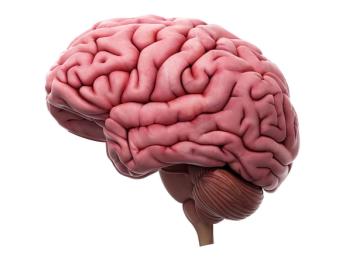
The Monarch’s cortex, head of a pin, contains maps of Earth and heavens within...

Whatever the etiology, some extreme views come very close to the behaviors of bipolar mania, as illustrated in a recent documentary.

Focusing on concerning behaviors may better assist with prevention than sensationalizing individual perpetrators’ motives.

This mode of therapy, still in its infancy, could be used to analyze and monitor a patient’s progress during play.

Given the evidence for progressive gray matter volume loss in first-episode psychosis, it is possible that leukocyte infiltration may contribute to brain tissue loss.

Even while attitudes are opening up about mental health and suicide prevention, the rate of suicide continues to rise in the United States.

In the wake of the unfortunate passing of several high-profile individuals, media headlines illustrate a challenge regarding how best to speak and write about suicidal self-directed violence.

Combining clinical wisdom, skill, and knowledge may allow us to shift the trend toward increasing suicide rates and provide care that helps youths build lives they want to live.

This article provides a brief synopsis of the research regarding the use of psychotherapy to manage suicidal behavior, followed by several examples of strategies that such treatment employs.
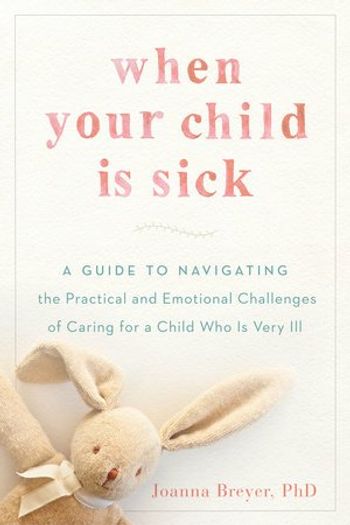
One is reminded as one reads this book of Emerson’s well-known quote, “Common sense is genius dressed in work clothes.”

This CME helps to differentiate the roles of the attending physician and the consulting physician and to recognize the ethical concerns attendant to medical aid in dying.

Lacan has a devoted following throughout much of the non-English-speaking world (where he is the best-known psychoanalyst) but he is mostly unknown to the English-speaking psychiatric community (where he is the least-known psychoanalyst).
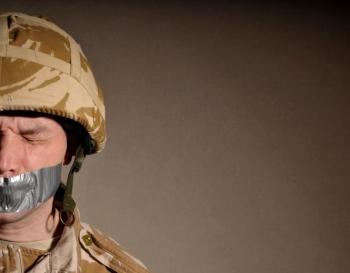
The iconic scene when George C. Scott slaps the soldier with PTSD in Patton and calls him a “yellow-bellied coward” mirrors the historic and continued ambivalence of the military toward the psychological wounds of war.

Patients who use educational resources, such as the Depression Center Toolkit, are much more likely to become an active and engaged participant in managing his or her own health.

They love to talk like air traffic controllers: “Angle the spinal needle 20 degrees and push gently toward the midline.” And though I don’t say “Roger”...

As we approach the end of the year, our collection of eulogies remind us of life's fragile nature.

Many of our patients are in distress, coping with “eco-anxiety” in ways that we have up to now not experienced.

Educational privilege may play major role in age-related memory loss and dementia risk.

“Even after the Pittsburgh shootings, our ability to empathize suggests otherwise,” writes Ronald W. Pies, MD, in a commentary regarding the nature and origin of hatred.

Let us look at two major trends in our evolving understanding of this complex mood disorder and its treatment, to wrap up 2018 and to consider the year ahead.