









What's the optimal strategy toward recovery from opioid use disorder? Which treatment for nicotine addiction has the most favorable adverse-effect profile?
What's the optimal strategy toward recovery from opioid use disorder? Which treatment for nicotine addiction has the most favorable adverse-effect profile?
The authors compare the clinical features of idiopathic psychosis (eg, schizophrenia) with cannabis-induced psychosis.

It is vital that psychiatrists are able to identify and characterize cannabis use disorders; provide education; and offer effective, evidence-based treatments. This article provides a brief overview of each of these topics.

This article summarizes data on e-cigarettes, provides recommendations and resources to learn more, and emphasizes the evidence for treating tobacco (traditional cigarettes) addiction in people with mental illness.
Because comorbid substance abuse is the rule rather than the exception in individuals with ADHD, accurate diagnosis, prognosis, and management of ADHD is challenging even for the most skilled practitioners.
A clinical collection on addiction treatment, ADHD and SUDs, important drug indications, vaping, cannabis use, benzodiazepines, the perils of self-medicating and other topics relevant to practicing psychiatrists.

Significant progress has been made in containing the opioid epidemic, but new threats loom. Thomas Kosten, MD, an addiction psychiatrist, takes a brief look.

Numerous lines of evidence suggest a correlation between cannabis consumption and a variety of psychiatric conditions, including cannabis-induced psychosis.
The main goal in treating addiction is to help the patient achieve and improve functioning. When that patient is also an adolescent, there are special considerations. Here's a quick primer.
Appropriate use of benzodiazepines in patients with a substance use disorder is an important skill. Here are some important considerations.

The authors present a clinically focused introduction to treatment principles for adolescent substance abuse disorders and reviews evidence-based approaches.
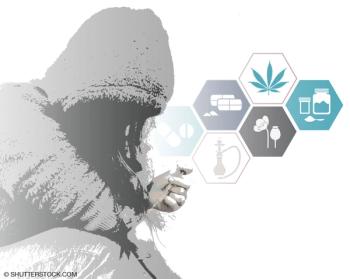
The Chair of a Special Report on substance abuse disorders describes the highlights of 6 articles in the series.
In psychiatry, hot debates abound if you just look around-and if this Special Report collection is any indication, the result is a balance of opinion and civility made richer by virtue of opposing views.
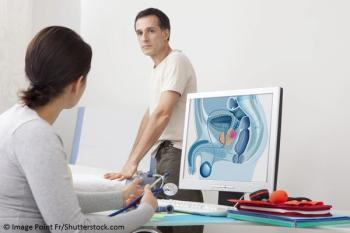
Here: common misconceptions about assisted outpatient treatment--and how this tool can help selected mentally ill patients who are most difficult to treat.

Access to illicit drugs is now as easy as a few swipes on a smartphone. Here's a primer for clinicians who aren't well acquainted with this trend and who aren’t familiar with the many substances themselves.

Marijuana-related problems fall well within the scope of psychiatric practice: many patients use marijuana, which is likely to affect their psychiatric symptoms and response to treatment.

A psychiatrist realizes he is completely powerless against his patient's opiate addiction.

To understand and to feel understood is a powerful antidote to relieve human psychological suffering. Therein lies the heart of the self-medication hypothesis of addiction.

Vivek Murthy, MD presented for the first time a report by a Surgeon General focused solely on addiction and its consequences.
The overprescription of opioid analgesics has resulted in the growing use of heroin. Right?

It's not about the specifics of preliminary studies about psilocybin. It's about the validation of research using psychedelic drugs in modern psychiatry.
A patient is brought to the emergency department by her daughter for bizarre behavior and symptoms of mania after gambling from the casino for 48 continuous hours.
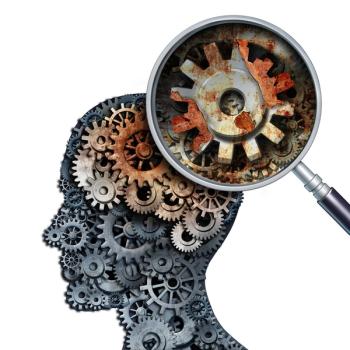
Two recent clinical trials of opioid medication for depression and suicidality highlight the role of brain opioid systems in depression.

New research over the past decade has suggested that links between media violence and child aggression are less clear than previously thought. How has our understanding of media violence effects changed?

“Election addiction disorder, undifferentiated, DSM-5A-177.6x” is characterized by an overwhelming need to watch anything and everything related to the current race for the White House, no matter how microscopic. Clinical details and prognosis are examined here.