




Psychopharmacology
Latest News
Advertisement
Latest Videos



Shorts
1:29
Paying Attention to When Deprescribing is Needed
5 months ago
by
Joseph F. Goldberg, MD
1:17
The Deprescribing Conversation: Focusing on Patient Needs
5 months ago
by
Garrett Rossi, MD
2:21
Antidepressants in 3rd Trimester Pregnancy
5 months ago
by
Marlene P. Freeman, MD
1:38
The Myth of Monodiagnosis & Prescribing Off-Label
5 months ago
by
Joseph F. Goldberg, MD(+1 more)

1:40
A New Era for Alzheimer Agitation Treatment With Auvelity
5 months ago
by
Rajesh R. Tampi, MD, MS, DFAPA, DFAAGP
2:20
Synaptic Regrowth: A Breakthrough for Schizophrenia
5 months ago
by
David Walling, PhD
1:38
GLP-1s & Plasticity: How Insulin Affects the Brain
5 months ago
by
Roger S. McIntyre, MD, FRCPC
1:33
Risks of Untreated Mental Illness During Pregnancy
6 months ago
by
Marlene P. Freeman, MD
3:18
Correlation of Depression and Inflammatory Skin Disease
6 months ago
by
Emma Guttman, MD, PhD(+1 more)
1:34
Deprescribing and Assessing Pharmacology Over Time
7 months ago
by
Joseph F. Goldberg, MD
CME Content





Advertisement
More News

A relationship between inflammatory skin disease and depression revealed in new research.

A novel form of agomelatine shows positive initial results.

Phase 2 trial of oveporexton for narcolepsy type 1 finds improvement on measures of cognition, in addition to previously demonstrated improved hallmark symptom of nighttime wakefulness.

Psychiatry experts unpack why off-label medications are common and how evidence and dosing guide care.

Further data shared on LB-102 for schizophrenia.

Tazbentetol interim results show improvement in schizophrenia symptoms.

New expert guidance shows how to safely review and taper psychiatric medications, weighing efficacy, risks, interactions, and patient input in mood disorders.

Intranasal BPL-003 shows rapid, sustained depression relief in treatment-resistant patients.

Experts discuss why early treatment and tailored combos can curb bipolar disorder.

An expert shares why new kratom variants have dangerous implications for substance use disorder.
See why ketamine boosts outcomes for treatment‑resistant depression.
New serotonergic therapies show durable relief in Phase II anxiety trials, as clinicians and patients partner to tackle unmet depression needs.

New evidence suggests age-adjusted eGFR cutoffs refine CKD risk, guiding safer lithium use and avoiding unnecessary kidney alarms.

Discover more on the uses and context of ketamine.

New RCT shows DBT cuts suicidal crises and self-harm in borderline personality disorder more than SSRIs, though benefits fade after treatment.
Debunking recurring scares about psychiatric drugs, this article weighs real risks against stigma, showing how warnings can backfire and mislead.
GLP-1 weight-loss drugs interact with eating disorder risks; experts urge careful screening and conversation.
Experts unpack child psychiatric medication: safety, early intervention, suicide risk, and managing side effects.
Psilocybin for depression nears approval; clinicians must manage medication interactions, avoiding lithium and MAOIs while monitoring vital signs and blunted effects.
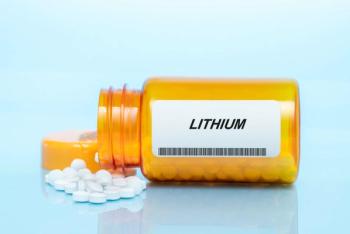
Adjunctive lithium sharply reduces relapse and suicidal ideation, and attempts in patients with bipolar disorder and major depressive disorder.

How ketamine sparks a glutamate-driven BDNF burst, reshaping prefrontal connectivity in depression and revealing the glutamate–GABA partnership.

Learn how bupropion can trigger dose-related tinnitus and when lowering or stopping the antidepressant brings relief, with real-world clinical guidance.

New evidence reframes antidepressant withdrawal: how common, how severe, and how to taper safely without mistaking symptoms for relapse.

Antidepressant withdrawal often mimics relapse; learn why hyperbolic tapering, informed consent, and slow cut-and-hold deprescribing reduce harm.
Cognition extends zervimesine expanded access for Lewy body dementia, adding months of dosing and easier local monitoring.
Advertisement
Advertisement
Trending on Psychiatric Times
1
The New, Impending Adult ADHD Guidelines
2
What Makes Us Human? The Role of Psychiatry and the Future DSM
3
Relief Is Not Free: A Case Study of Athlete Cannabis Use
4
Reimbursement and Resources: Preparing Clinics for Psilocybin Therapy
5