

The recent Disney Pixar film has a doctor contemplating what makes us all unique, and how we can care for ourselves.
The recent Disney Pixar film has a doctor contemplating what makes us all unique, and how we can care for ourselves.

Improving physical activity levels and eating habits could help patients with schizophrenia.

In an ADAPT-2 study, a combination of injectable naltrexone and oral bupropion showed promise for methamphetamine users.

A faceless full moon glowing through a cloud, contorted like the tree . . .
![Hugh Welch Diamond, “Plate 27 [Seated Woman with a Bird],” (ca. 1855) Digital image courtesy of the Getty's Open Content Program.](https://cdn.sanity.io/images/0vv8moc6/psychtimes/126bd46f3e13c49c89cb8a3fd84d5ae21e7d7172-514x722.jpg?w=350&fit=crop&auto=format)
If a picture is worth a thousand words, how many diagnoses can it make? The photographer and psychiatrist Hugh Welch Diamond, MD, shares insights into the humanity and stigma of mental illness in Victorian England.

Preliminary studies suggest that adjuvant treatment with a statin may be beneficial for patients who are also prescribed psychotropic drugs for depression and schizophrenia.

What consequences will big data and artificial intelligence have on brain health and economics?

What role does denial play in the collective American psyche?

When we finally open a trap door to explain or further understand a hypothesis, the answer often includes a house full of hallways.

Sometimes the best medicine is understanding.

This CME article briefly outlines the role that microglia play in neuropsychiatric disorders.

The scientific method has delivered vaccines and other life-saving medicine, but not everybody trusts it.

Is there a way to find balance in discussing the chemical imbalance theory of depression?

The pandemic has triggered an array of emotional, physical, and economic issues but in the midst of this crisis, nations have shared and learned from each other’s experiences.

In addressing mood disorders associated with infertility, sometimes the cure may be worse than the disease.

How can the best insights of mainstream and critical psychiatry be brought together?

One doctor reflects on how America continues to capitalize on racial unrest.

What drives leaders, and how does that help us better understand them?

The RISE study results look promising.

Major psychiatry organizations condemn the actions and events of January 6th.

What is the most abundant and ubiquitous neurotransmitter in the mammalian central nervous system?
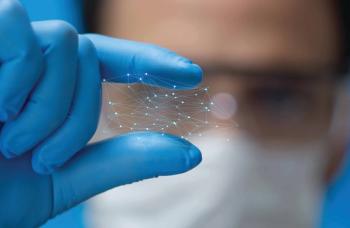
There is much to look forward to in the realm of improved treatments for patients with psychiatric illness.

One psychiatrist offers his thoughts on anti-black racism through the lens of anti-Semitism.

Our basic science knowledge of the brain continues to explode beyond what science fiction of the past has predicted.
A new formulation of dexmedetomidine meets primary and secondary endpoints in recently completed study.


The pandemic has exacerbated many existing dangers, and introduced a few new ones.

Clinicians, families, and patients all report frustration with SSRD treatment in hospitals. It’s time to improve it.

As we close the door to the past, the promise of tomorrow is yet to come.

COVID-19 dominated 2020, but in 2021, the vaccine offers hope.