

New findings from a small study confirm previous research that shows a potential value of EMDR in the management of major depressive disorder.
New findings from a small study confirm previous research that shows a potential value of EMDR in the management of major depressive disorder.
Sleep difficulties and sleep disorders are the most common comorbidities reported in individuals with ADHD. Careful assessment will lead to helpful interventions.

ADHD can present with symptoms such as irritability, mood lability, low frustration tolerance and low self-esteem, making it easily confused with mood disorders and personality disorders.

These three recent trends in ADHD neuroimaging may lead to objective tools for diagnosis as well as stimulate discovery of novel therapeutics.

Gerda Saunders, an emerita professor who was diagnosed with vascular dementia at age 60, explores the meaning of progressive cognitive impairment in relationships and life.

As children raised on technology, it seems only natural that adolescents turn to the internet when they experience stress or mental health related symptoms. Turns out, this is both a good and bad thing.

Should hallucinogens such as ketamine, MDMA, psilocybin, and LSD be considered as treatment options for patients with mental illness?
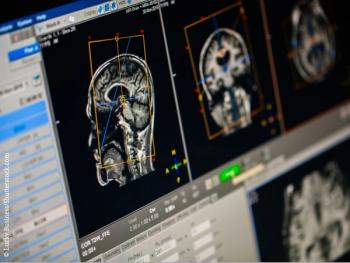
Recent advances in EEG technology may one day be used to measure brain function throughout a patient’s lifespan, resulting in earlier diagnoses of psychiatric disorders.

Results from these studies yield important clinical implications to improve treatment and prognosis for patients with major depression.

The goal of this activity is to understand the relationship between endothelial function and arterial stiffness.

Covering for a colleague I begin to startle after the tenth call-med refill requests, side effect questions, and suicidal thoughts...

One of the biggest challenges in treating depression is the ability to select the best treatment for a particular individual from among the many available options.

Evaluation of allocentric spatial processing may be a much better way to determine Alzheimer disease risk than egocentric spatial processing tools.

Which medications have consistently replicated randomized placebo-controlled trial evidence of efficacy in treating symptoms that are unresponsive to sertraline or paroxetine? Take the quiz and learn more.

Climate change poses one of the greatest threats to public health in modern times, and the mental health effects are no less concerning.

In a week of high political stakes here in the United States, a fascinating controversy transpired in Reykjavik-with potential risks for clinicians and their patients.

What, if any, is the risk of major malformations following antipsychotic exposure in the first-trimester?
A 10-year study of over a thousand patients finds that nitrate-cured meats may play a causative role in mania. Hot dogs and bacon may be next.

More countries are “going neutral” on the issue of medical euthanasia and physician-assisted suicide.

This is not yet another philosophical discourse arguing against physician-assisted suicide. This piece is about life with dignity-even amidst its raw and ravaging agonies.

Many psychiatrists seem to feel that we lack the skill and knowledge to address social issues. What do you think?

Dr Phelps puts thyroid dysfunction into clinical context for patients with comorbid mood disorders.
In this two-part Special Report, the authors provide evidence-based information to guide our assessment, diagnosis, and treatment of ADHD across the lifespan.

This article examines the contributory role of diet on ADHD symptoms, including how the elimination of certain foods and additives, as well as the consumption of other foods or nutrients, may impact symptoms.

Despite the proven efficacy and safety of medications for ADHD, abuse is a growing concern.

Mental health stigma has been found to be a significant factor in African-American treatment engagement. For this reason, taking steps to understand cultural considerations is key.

Symptoms of alcohol and drug intoxication and withdrawal may resemble symptoms of bipolar disorder, making it difficult to diagnose and treat.
Although it is still widely believed that the management of chronic pain usually requires medications or physical interventions, a growing body of research has demonstrated the efficacy of psychological therapeutic modalities.

We listen carefully and use our empathic ability to both understand and provide support to our patients. This work is often at the heart of helping them become more reflective and gain the capacity to make adaptive changes in their internal realities.

Newly released evidence represents the most comprehensive currently available information about the initial choice of antidepressant treatment for acute depression in adults.