

Two grief experts expose the hidden health, social, and economic toll of bereavement—and the policy gaps leaving millions of grieving Americans unsupported.
Two grief experts expose the hidden health, social, and economic toll of bereavement—and the policy gaps leaving millions of grieving Americans unsupported.

Maurizio Fava, MD, discusses treatment-resistant depression, the placebo response, ketamine research, mentorship, and where AI fits into psychiatry's future.

Learn how to spot and treat sexual dysfunction in psychiatric care—screen causes, manage SSRI effects, and choose libido-friendly medications.

Public health professional Shambrekia Wise and her daughter Sandy discuss the origins of their travel-themed book series and its relevance to clinicians treating diverse young patients.

Experts weigh benzodiazepine benefits, dependence myths, and safer prescribing in older adults, including what evidence really says about Alzheimer risk.

A psychiatrist shares how mindfulness, vulnerability, and shared presence strengthen therapy, reduce burnout, and reshape modern psychiatric care.

Why behavioral health integration still stalls: workforce shortages, cross-training wins, and collaborative care tips from frontline

A paraplegic psychiatry resident shares integrative chronic pain care: ACT, spinal stimulation, and goals focused on function, not pain scores.

Entactogen research targets social anxiety and isolation across diagnoses, pairing “plasticity windows” with psychotherapy amid shifting FDA scrutiny and evolving trial designs.

Two psychiatrists use poetry and therapy to unpack clinician trauma, residency transformation, and how discomfort becomes a tool for patient connection.

Psychiatrists push to normalize sexual health talks, address medication-related sexual side effects, and reduce stigma with holistic care and patient-safe communication.

Placebo and nocebo effects shape psychiatric care—how expectations and framing boost medication benefit and reduce side effects.

How to recognize racial trauma, sharpen diagnosis, and apply “Cost of Capable” and “weathering” to build trust and assess suicide risk.

Learn how clinicians tackle mood and substance use disorders together, boost patient engagement, and expand evidence-based addiction medications for bipolar and alcohol use.

A psychiatric clinician reveals how peers can spark small daily joy, beat burnout, and build balanced wellness that lasts.

AI is reshaping psychopharmacology—from TRD prediction to digital phenotyping—while exposing data limits, workflow hurdles, and safety risks in suicide tools.

Experts explain why every diagnosis needs metabolic screening, how to discuss risk safely, and when to use tools like PsyMetRiC to assess risk.

Psychiatrists unpack parental leave anxiety, FMLA gaps, and how smarter time-off planning can reduce postpartum depression and support working families.

ASCP panel offers deprescribing guidance to curb psychiatric overprescribing, simplify polypharmacy, and improve outcomes with tapering and

In the first ever episode of "On Your Mind With Erin Crown," explore how tribalism hurts the field of psychiatry and ultimately patient outcomes.

David Dunner, MD, FACPsych, reveals insights into rapid cycling roots, bipolar II, and weighing lithium as an often overlooked treatment option.
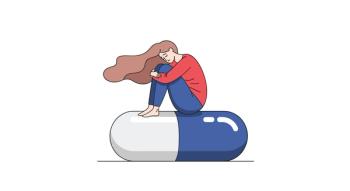
Experts reveal why psych medication nonadherence is common, how to discuss it without blame, and tools like CAE and injectables to prevent relapse.

Experts unpack why most psychiatric care relies on off‑label meds, how neuroscience guides safe polypharmacy, and what could reshape FDA approvals.

In this inaugural episode, experts discuss the limitations of current diagnosis-based frameworks in suicide research, emphasizing the need for more targeted interventions.

Experts urge early bipolar disorder treatment, highlighting lithium’s underuse despite neuroprotective, antisuicidal benefits and evidence that delays worsen outcomes and responsiveness.

Experts explain how careful pediatric psychopharmacology and early intervention protect development, curb relapse, and address substance-use risk.

Explore psychopharmacologic options for personality disorders in this podcast.

Psychiatry leaders unpack pharmacogenetic testing hype, spotlight 4 actionable genes, and urge evidence-based use with therapeutic drug monitoring for personalized treatment.

Psilocybin therapy shows fast, lasting relief for depression; clinicians discuss trial hurdles and emerging promise for PTSD and addiction in this podcast.

Learn when CBT/IPT beats medications, when to combine antidepressants, and why patient preference drives depression recovery in 6–12 weeks in this podcast.